SUSTAIN 6 shows semaglutide cuts heart events in type 2 diabetes
A 3,297-person trial found 26% fewer heart attacks, strokes and cardiovascular deaths with weekly semaglutide, but also more diabetic eye complications — a warning still on the Ozempic label today.
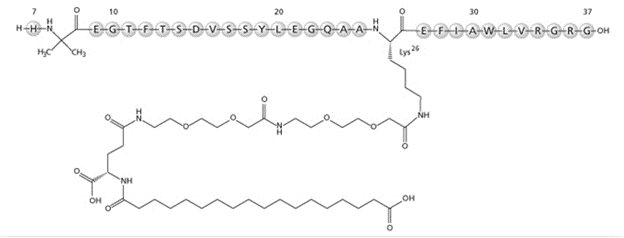
Results from SUSTAIN 6, the cardiovascular outcomes trial that Novo Nordisk ran before semaglutide reached the US market, were published in the New England Journal of Medicine. In 3,297 adults with type 2 diabetes at high cardiovascular risk, once-weekly semaglutide was linked to a significantly lower rate of cardiovascular death, nonfatal heart attack or nonfatal stroke than placebo — and to a higher rate of diabetic retinopathy complications [1].
What the trial measured
Participants were randomly assigned to once-weekly semaglutide (0.5 mg or 1.0 mg) or placebo on top of standard care for 104 weeks [1]. The primary outcome was the first occurrence of cardiovascular death, nonfatal myocardial infarction, or nonfatal stroke [1].
Importantly, the trial was designed to rule out excess risk, not to prove benefit. Regulators require new diabetes drugs to show cardiovascular safety, and the researchers hypothesized that semaglutide would be noninferior to placebo, using a noninferiority margin of 1.8 for the upper bound of the 95% confidence interval [1].
The population was sick at baseline: 2,735 of the 3,297 patients (83.0%) already had established cardiovascular disease, chronic kidney disease, or both [1].
The numbers
The primary outcome occurred in 108 of 1,648 patients (6.6%) taking semaglutide versus 146 of 1,649 patients (8.9%) on placebo, a hazard ratio of 0.74 (95% CI, 0.58 to 0.95; P<0.001 for noninferiority) [1]. That hazard ratio is the source of the widely quoted 26% relative reduction; in absolute terms it is a difference of about 2.3 percentage points over roughly two years [1].
Breaking the composite apart, nonfatal heart attack occurred in 2.9% of the semaglutide group and 3.9% of the placebo group (hazard ratio 0.74; 95% CI, 0.51 to 1.08; P=0.12), a difference that did not reach statistical significance [1]. Nonfatal stroke occurred in 1.6% versus 2.7% (hazard ratio 0.61; 95% CI, 0.38 to 0.99; P=0.04) [1]. Rates of death from cardiovascular causes were similar in the two groups [1].
On the kidney side, new or worsening nephropathy was less common with semaglutide [1].
The retinopathy signal
The trial's most discussed safety finding was in the eyes. Retinopathy complications — defined as vitreous hemorrhage, blindness, or conditions requiring treatment with an intravitreal agent or photocoagulation — were significantly more common with semaglutide, with a hazard ratio of 1.76 (95% CI, 1.11 to 2.78; P=0.02) [1].
Overall, fewer serious adverse events occurred in the semaglutide group, but more patients stopped treatment because of adverse events, mainly gastrointestinal ones [1]. The trial was funded by Novo Nordisk and registered as NCT01720446 [1].
Why it matters for patients
SUSTAIN 6 is the reason semaglutide is described as more than a blood-sugar drug. Current US prescribing information for Ozempic (semaglutide) lists an indication to reduce the risk of major adverse cardiovascular events in adults with type 2 diabetes and established cardiovascular disease, alongside its glycemic-control indication and a later kidney indication covering sustained eGFR decline, end-stage kidney disease and cardiovascular death in adults with type 2 diabetes and chronic kidney disease [2].
The eye finding also carried forward. The Ozempic label includes a Warnings and Precautions section on Diabetic Retinopathy Complications, stating that these have been reported in a clinical trial and that patients with a history of diabetic retinopathy should be monitored [2]. That is the kind of item a clinician may raise with someone who already has eye disease.
Two cautions are worth keeping in view. First, the participants were mostly people with existing cardiovascular or kidney disease, so the results do not automatically describe healthier adults with type 2 diabetes [1]. Second, the trial's formal statistical goal was noninferiority; the heart benefit emerged from a safety study rather than a trial designed from the start to prove superiority [1].
What happens next
At the time of publication, semaglutide had not yet been approved in the United States; the Ozempic label lists an initial US approval of 2017 [2]. Whether the retinopathy signal reflects a direct drug effect or rapid improvement in blood sugar is not settled by this trial, and the published abstract does not resolve it [1].
Sources
Semaglutides.org is for information only and is not medical advice. Always talk to a licensed healthcare provider about your own care. Some links to telehealth services are affiliate links, labeled where they appear.