Novo Nordisk began testing semaglutide 2.4 mg for weight loss in 2018, work that led to Wegovy
The trial program that began in 2018 became the basis for Wegovy, now approved for weight loss, heart risk reduction and a liver condition, with a boxed warning and common side effects.
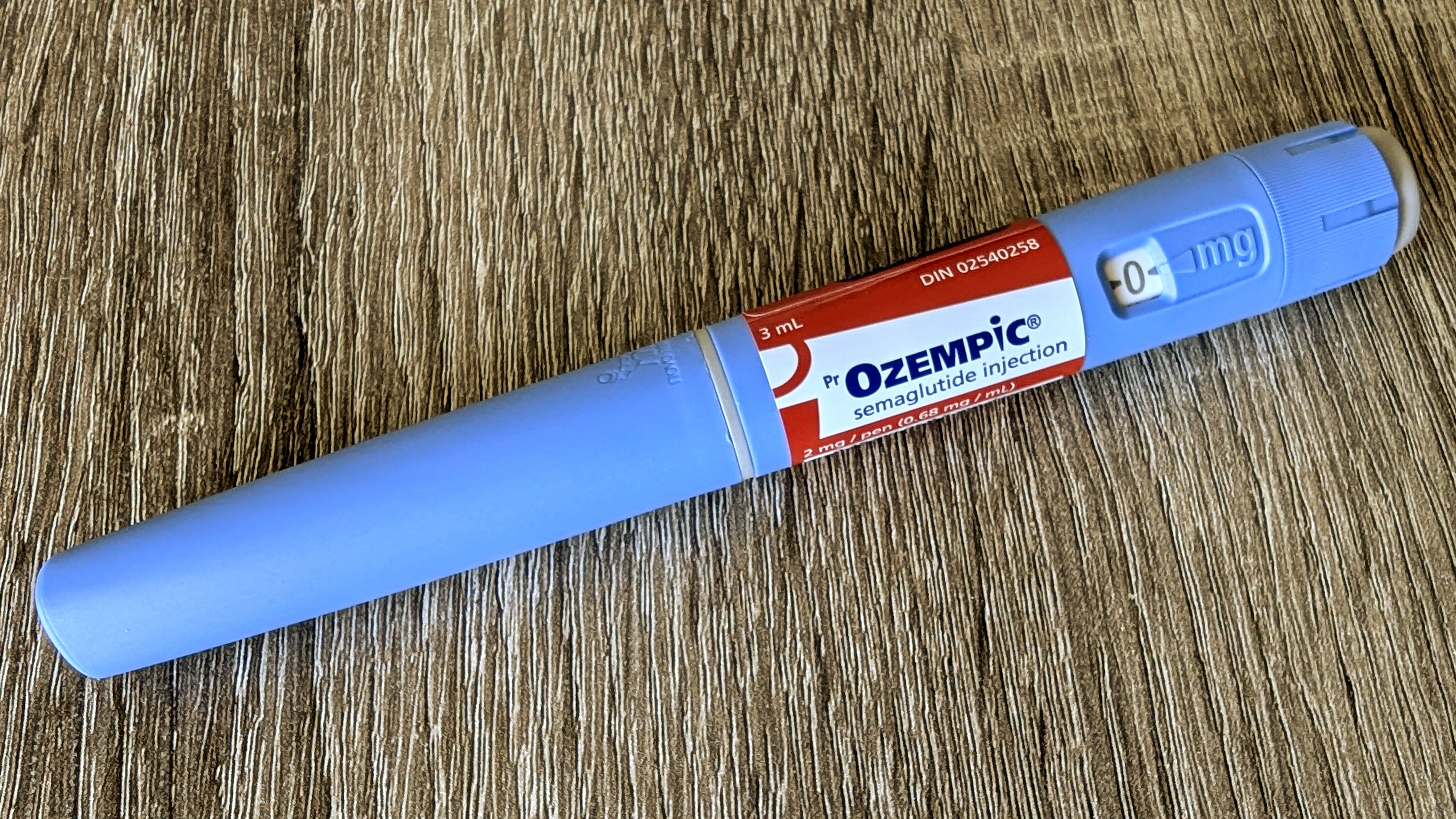
Novo Nordisk began a phase 3 clinical program in June 2018 to test semaglutide 2.4 mg for chronic weight management. Semaglutide is the molecule sold as Ozempic, Rybelsus and Wegovy [1], and the 2.4 mg weekly injection is the dose the FDA later approved for weight loss under the Wegovy brand [2].
The earliest milestone in Wegovy's public approval timeline is March 23, 2021, when Novo Nordisk reported that adults with obesity treated with semaglutide 2.4 mg achieved and maintained significant weight loss in a 68-week trial [2]. The FDA approved Wegovy on June 4, 2021, for adults with obesity, or adults with overweight plus at least one weight-related condition, to be used along with a reduced-calorie diet and increased physical activity [2]. In December 2022, the agency extended that approval to patients aged 12 and older [2].
The program's full design, its enrollment and the individual trial names have not been disclosed in the public approval timeline [2].
Heart and liver results
In August 2023, Novo Nordisk reported that semaglutide 2.4 mg reduced the risk of major adverse cardiovascular events by 20% in adults with overweight or obesity in a trial called SELECT [2]. Those results were presented at the American Heart Association scientific sessions in November 2023 and published at the same time in the New England Journal of Medicine [2]. In March 2024, the FDA approved Wegovy to reduce cardiovascular risk in adults with established cardiovascular disease plus obesity or overweight [2]. A separate real-world study reported in August 2025 found Wegovy was associated with a 57% lower risk of heart attack, stroke or death compared with tirzepatide in people with obesity and cardiovascular disease [2]. That was not a head-to-head randomized trial, so it cannot show cause and effect the way a randomized study can.
In August 2025, Wegovy received accelerated FDA approval to treat noncirrhotic metabolic dysfunction-associated steatohepatitis (MASH) with moderate to advanced liver fibrosis, stages F2 to F3, in adults [2]. Continued approval for that use may depend on a confirmatory trial [2].
Doses and forms
Wegovy injection is supplied in single-dose pens of 0.25 mg, 0.5 mg, 1 mg, 1.7 mg and 2.4 mg, plus a 7.2 mg high-dose version [2]. The FDA approved that higher dose, called Wegovy HD, on March 19, 2026 [2]. In June 2025, Novo Nordisk reported the higher dose produced average weight loss of 21%, with about a third of participants losing 25% or more [2]. Analyses presented in May 2026 reported nearly 28% weight loss among "early responders" — a subgroup of participants, not the average result for everyone in the study [2].
An oral form also exists. In September 2025, a study reported 16.6% weight loss with oral semaglutide 25 mg in people with obesity [2]. The FDA approved the Wegovy Pill on December 22, 2025, described as the first oral GLP-1 for weight loss in adults [2]. Novo Nordisk later reported 21.6% weight loss among early responders taking the pill [2]. An April 2026 indirect comparison reported the Wegovy pill produced greater weight loss than orforglipron and lower odds of stopping treatment because of side effects; indirect comparisons are not head-to-head trials [2].
Why it matters for patients
Wegovy's approval covers long-term weight reduction in adults with obesity, adults with overweight plus at least one related condition, and children 12 and older with obesity, always alongside diet and exercise [2]. The label says Wegovy should not be combined with another semaglutide product or any other GLP-1 receptor agonist [2].
The label carries a boxed warning for increased risk of thyroid C-cell tumors, and warnings for acute pancreatitis, gallbladder disease, low blood sugar, acute kidney injury, allergic reactions, diabetic retinopathy complications in people with type 2 diabetes, increased heart rate, suicidal behavior and ideation, and pulmonary aspiration during general anesthesia or deep sedation [2]. Common side effects, reported in at least 5% of adults and children 12 and older, include nausea, diarrhea, vomiting, constipation, abdominal pain, headache, fatigue, indigestion, dizziness, abdominal bloating, belching, gas, gastroenteritis, acid reflux and nasopharyngitis [2].
Cost has changed repeatedly. Novo Nordisk introduced a pharmacy program in March 2025 that lowered all doses of Wegovy to $499 per month, announced list price reductions for Wegovy, Ozempic and Rybelsus in February 2026, and launched a multi-month subscription in March 2026 that the company said could save up to $1,200 a year [2]. List price is not the same as what an individual patient pays, and that varies by insurance coverage.
What happens next
The MASH approval is accelerated, and its continuation may depend on results of a confirmatory trial; no date for that trial has been disclosed [2]. Wegovy's development timeline shows no further dated milestones beyond May 2026 [2].
Images from the sources
Sources
Semaglutides.org provides information only, not medical advice. Talk to a licensed provider about your own care before making changes. Some telehealth links are affiliate links and are labeled where they appear.