PIONEER 6 shows cardiovascular safety of the semaglutide tablet
PIONEER 6, published June 2019, found the oral semaglutide tablet did not raise heart risk in 3,183 adults with type 2 diabetes, clearing the way for the Rybelsus approval that September.
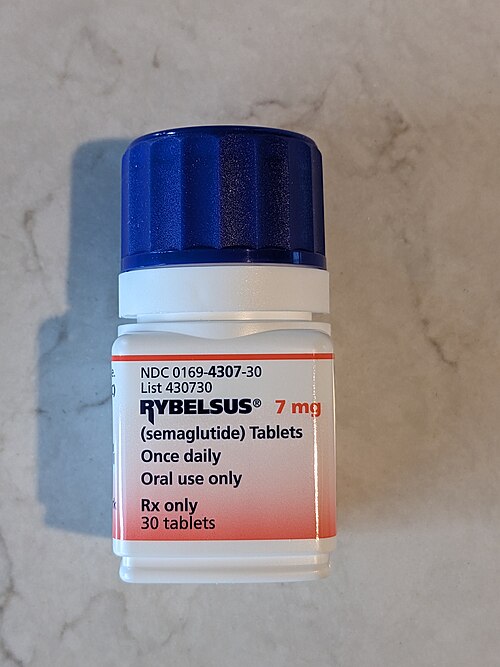
Results from PIONEER 6, a cardiovascular outcomes trial of once-daily oral semaglutide, showed that the tablet form of the drug did not increase the risk of heart attack, stroke or cardiovascular death compared with placebo in adults with type 2 diabetes at high cardiovascular risk [1]. The finding was the last major piece of evidence behind the US approval of Rybelsus (semaglutide tablets) on September 20, 2019 [3].
What the trial tested
PIONEER 6 was an event-driven, randomized, double-blind, placebo-controlled trial. It enrolled people who were at least 50 years old with established cardiovascular or chronic kidney disease, or at least 60 years old with cardiovascular risk factors alone [1]. A total of 3,183 patients were randomly assigned to oral semaglutide or placebo. Their mean age was 66, and 2,695 of them (84.7%) were 50 or older with existing cardiovascular or kidney disease [1]. The median time in the trial was 15.9 months [1].
The main question was safety, not benefit. Regulators require new diabetes drugs to show they do not raise heart risk, and the trial was designed to rule out an 80% excess cardiovascular risk versus placebo — a noninferiority margin of 1.8 for the upper limit of the 95% confidence interval [1].
The numbers
Major adverse cardiovascular events — cardiovascular death, nonfatal heart attack or nonfatal stroke — occurred in 61 of 1,591 patients (3.8%) taking oral semaglutide and 76 of 1,592 (4.8%) on placebo, a hazard ratio of 0.79 (95% CI, 0.57 to 1.11; P<0.001 for noninferiority) [1]. Because the confidence interval crossed 1.0, the trial met its safety goal but did not prove the tablet prevents these events.
The individual components pointed in different directions. Cardiovascular death occurred in 15 patients (0.9%) on oral semaglutide versus 30 (1.9%) on placebo (hazard ratio 0.49; 95% CI, 0.27 to 0.92) [1]. Nonfatal heart attack was slightly more common in the semaglutide group — 37 (2.3%) versus 31 (1.9%), hazard ratio 1.18 (95% CI, 0.73 to 1.90) [1]. Nonfatal stroke occurred in 12 (0.8%) versus 16 (1.0%), hazard ratio 0.74 (95% CI, 0.35 to 1.57) [1]. Death from any cause was recorded in 23 patients (1.4%) on oral semaglutide and 45 (2.8%) on placebo, hazard ratio 0.51 (95% CI, 0.31 to 0.84) [1].
On tolerability, the authors reported that gastrointestinal side effects leading people to stop the study drug were more common with oral semaglutide than with placebo [1]. The abstract does not give the specific discontinuation percentages.
Why it matters for patients
Before PIONEER 6, cardiovascular safety data existed for injected semaglutide but not for the pill [1]. The tablet is a different proposition: oral semaglutide has a bioavailability of only about 1% to 2%, compared with roughly 89% for the injected form, which is why it is taken every morning on an empty stomach [2][3]. Showing that the tablet behaved safely in a high-risk population was a precondition for making a GLP-1 available without needles.
It is also worth being precise about what the trial did and did not show. PIONEER 6 was a safety study. The lower rates of cardiovascular death and all-cause death are notable, but with a median follow-up under 16 months and a total of 137 primary events, the trial was not designed to prove the tablet reduces heart events [1]. A separate, larger trial was needed for that claim.
The gastrointestinal findings also matter in daily life. Nausea, abdominal pain, diarrhea, decreased appetite, vomiting and constipation are listed as common adverse reactions for Rybelsus, each occurring in at least 5% of patients [3]. The label also carries warnings and precautions covering acute pancreatitis, diabetic retinopathy complications, low blood sugar when used with insulin or insulin secretagogues, acute kidney injury from fluid loss, severe gastrointestinal reactions, hypersensitivity reactions and pulmonary aspiration during anesthesia or deep sedation [3].
What happens next
Novo Nordisk filed for US approval of oral semaglutide on March 26, 2019, seeking indications for both blood sugar control and cardiovascular risk reduction [3]. The FDA approved Rybelsus on September 20, 2019 as the first oral GLP-1 analog for adults with type 2 diabetes [3]. The cardiovascular risk reduction indication did not follow until October 17, 2025, when the FDA approved Rybelsus to reduce the risk of major adverse cardiovascular events in adults with type 2 diabetes at high risk [3].
Sources
Semaglutides.org is for information only and is not medical advice. Always talk to a licensed healthcare provider about your own care. Some links to telehealth services are affiliate links, labeled where they appear.