Novo files semaglutide 2.4 mg for chronic weight management
Novo Nordisk's December 2020 FDA filing for semaglutide 2.4 mg led to Wegovy's approval in June 2021, opening the first widely prescribed high-dose GLP-1 for chronic weight management [1].
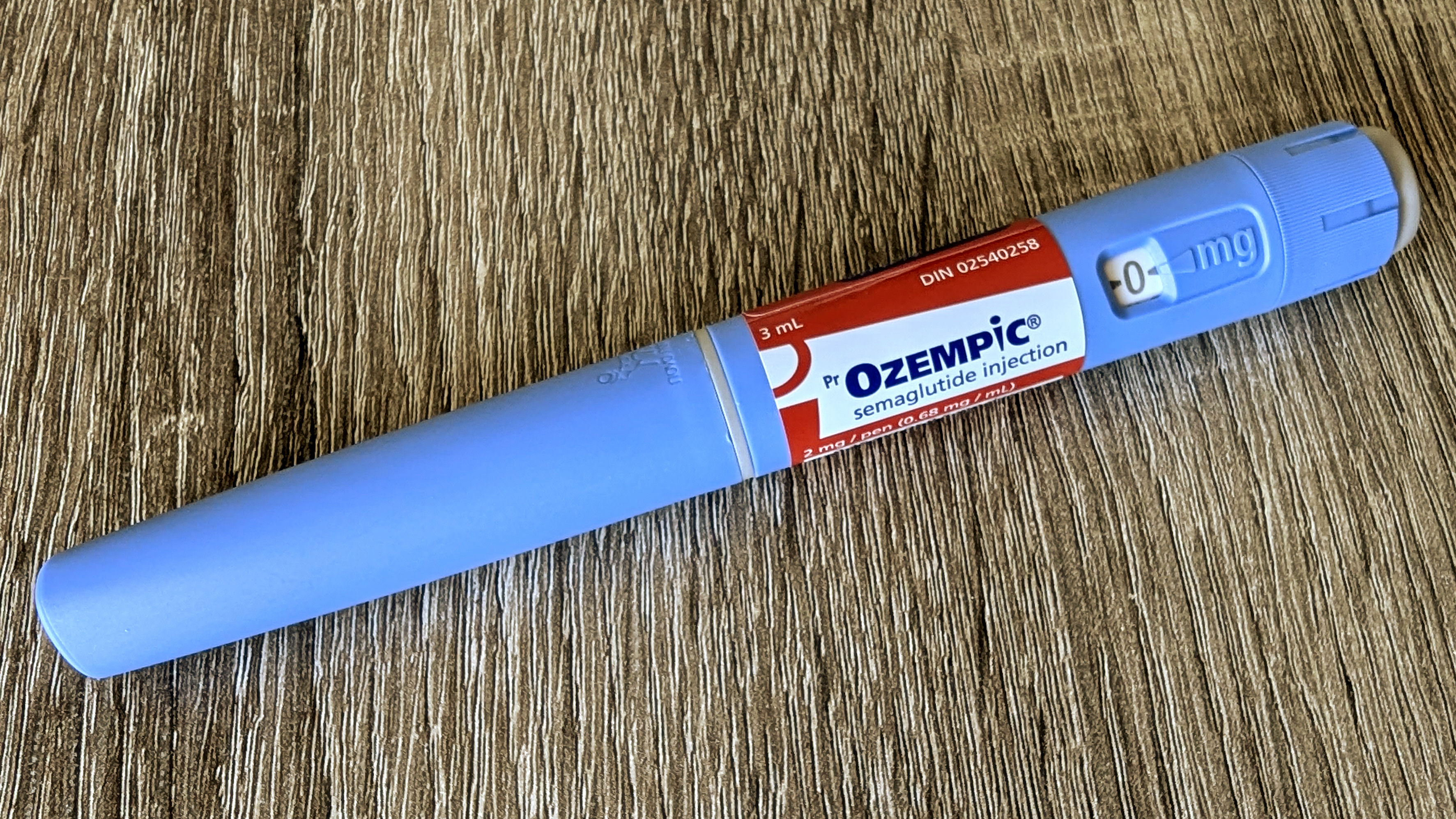
In December 2020, Novo Nordisk submitted an application to the U.S. Food and Drug Administration for semaglutide 2.4 mg as a treatment for chronic weight management, based on results from its STEP clinical trial program. The FDA approved the drug on June 4, 2021, under the brand name Wegovy [1].
The original approval covered semaglutide injection for adults with obesity, or for adults with overweight who had at least one weight-related medical condition, to be used along with a reduced-calorie diet and increased physical activity [1]. Supporting data came from a 68-week trial showing that adults with obesity treated with semaglutide 2.4 mg achieved and maintained a significant amount of weight loss, according to results reported in March 2021 [1]. Semaglutide is a GLP-1 receptor agonist, the same class of drug already sold as Ozempic for type 2 diabetes and later as the oral tablet Rybelsus [2].
Wegovy's approved use has expanded considerably since 2021. In December 2022, the FDA approved the injection for adolescents aged 12 and older with obesity [1]. In March 2024, the agency approved Wegovy to reduce the risk of major cardiovascular events—heart attack, stroke, or cardiovascular death—in adults with established heart disease and either obesity or overweight [1]. In August 2025, Wegovy received accelerated approval for treating metabolic dysfunction-associated steatohepatitis (MASH), a liver disease, in adults with moderate to advanced liver scarring; that approval is conditional on confirming clinical benefit in a follow-up trial [1].
Wegovy injection comes in doses ranging from 0.25 mg up to 2.4 mg, plus a higher 7.2 mg "HD" dose, delivered once weekly by prefilled pen [1]. The drug's label carries a boxed warning about an increased risk of thyroid C-cell tumors, along with warnings for acute pancreatitis, gallbladder disease, low blood sugar, kidney injury, and suicidal thoughts or behavior [1]. The most common side effects, occurring in 5% or more of patients, include nausea, diarrhea, vomiting, constipation, abdominal pain, headache, and fatigue [1].
Why it matters for patients
The original 2021 approval mattered because it gave U.S. patients the first version of semaglutide specifically labeled and dosed for weight loss rather than diabetes, at the 2.4 mg strength studied in the STEP trials [1]. That distinction affects which drug a doctor prescribes and how insurance plans classify coverage, since Ozempic remains approved only for type 2 diabetes even though it contains the same active ingredient [2].
The steady expansion of Wegovy's approved uses since 2021—into adolescents, cardiovascular risk reduction, and now liver disease—means that patients today may be prescribed the same drug for different medical reasons than the original weight-loss indication, based on additional trial evidence gathered over several years [1]. The boxed warning on thyroid tumors and the list of common gastrointestinal side effects are part of the same label that has applied since the 2021 approval and remain relevant to anyone considering the drug [1].
What happens next
The MASH indication approved in August 2025 remains under accelerated approval, meaning continued approval for that specific use depends on Novo Nordisk verifying clinical benefit in a confirmatory trial, a process the sources do not give a specific date for completing [1]. Beyond that, the sources describe ongoing research and pricing changes into 2026, including a lower-cost pharmacy option and new oral tablet formulations, but do not specify further regulatory deadlines tied to the original 2020 filing [1].
Images from the sources
Sources
Semaglutides.org is for information only and is not medical advice. Always talk to a licensed healthcare provider about your own care. Some links to telehealth services are affiliate links, labeled where they appear.