STEP 1 published: 14.9% average weight loss with semaglutide 2.4 mg
A 1,961-person trial found adults with obesity lost an average of 14.9% of body weight on once-weekly semaglutide 2.4 mg over 68 weeks, versus 2.4% on placebo [1].
The New England Journal of Medicine published STEP 1, a phase 3 trial testing once-weekly semaglutide at 2.4 mg in adults with overweight or obesity who did not have diabetes. Average weight loss was 14.9% of body weight at 68 weeks, compared with 2.4% for people who got placebo injections plus the same lifestyle program [1].
What the trial found
STEP 1 enrolled 1,961 adults at 129 sites in 16 countries and randomly assigned them 2:1 to semaglutide 2.4 mg or placebo for 68 weeks, on top of lifestyle counseling [1]. Participants had a body mass index of 30 or higher, or 27 or higher with at least one weight-related condition such as high blood pressure, abnormal cholesterol, sleep apnea, or cardiovascular disease. People with diabetes, an A1C of 6.5% or higher, a history of chronic pancreatitis, or prior weight-loss surgery were excluded [1].
The estimated difference between groups was 12.4 percentage points (95% confidence interval, −13.4 to −11.5; P<0.001). In pounds and kilograms, the semaglutide group lost 15.3 kg on average versus 2.6 kg on placebo, a difference of 12.7 kg [1].
The share of people hitting specific targets separated sharply. At week 68, 86.4% of the semaglutide group lost at least 5% of body weight versus 31.5% on placebo; 69.1% versus 12.0% lost at least 10%; and 50.5% versus 4.9% lost at least 15% [1].
Dosing started at 0.25 mg weekly and increased every 4 weeks to the 2.4 mg maintenance dose by week 16, with lower maintenance doses allowed if side effects were not tolerable [1]. Everyone, including the placebo group, got counseling every 4 weeks aimed at a 500-calorie daily deficit and 150 minutes a week of activity [1].
On safety, nausea and diarrhea were the most common side effects with semaglutide. The authors described them as typically transient and mild to moderate, subsiding over time. More people on semaglutide stopped treatment because of gastrointestinal events: 59 participants (4.5%) versus 5 (0.8%) on placebo [1]. Overall, 94.3% completed the trial and 81.1% adhered to treatment [1]. The trial was funded by Novo Nordisk, which designed it and ran the data analysis; the registration number is NCT03548935 [1].
Why it matters for patients
Before STEP 1, the authors noted that available obesity medications were limited by "modest efficacy, safety concerns, and cost" [1]. A 14.9% average, with half of participants losing 15% or more, is a different order of result than what most prior drug options delivered [1].
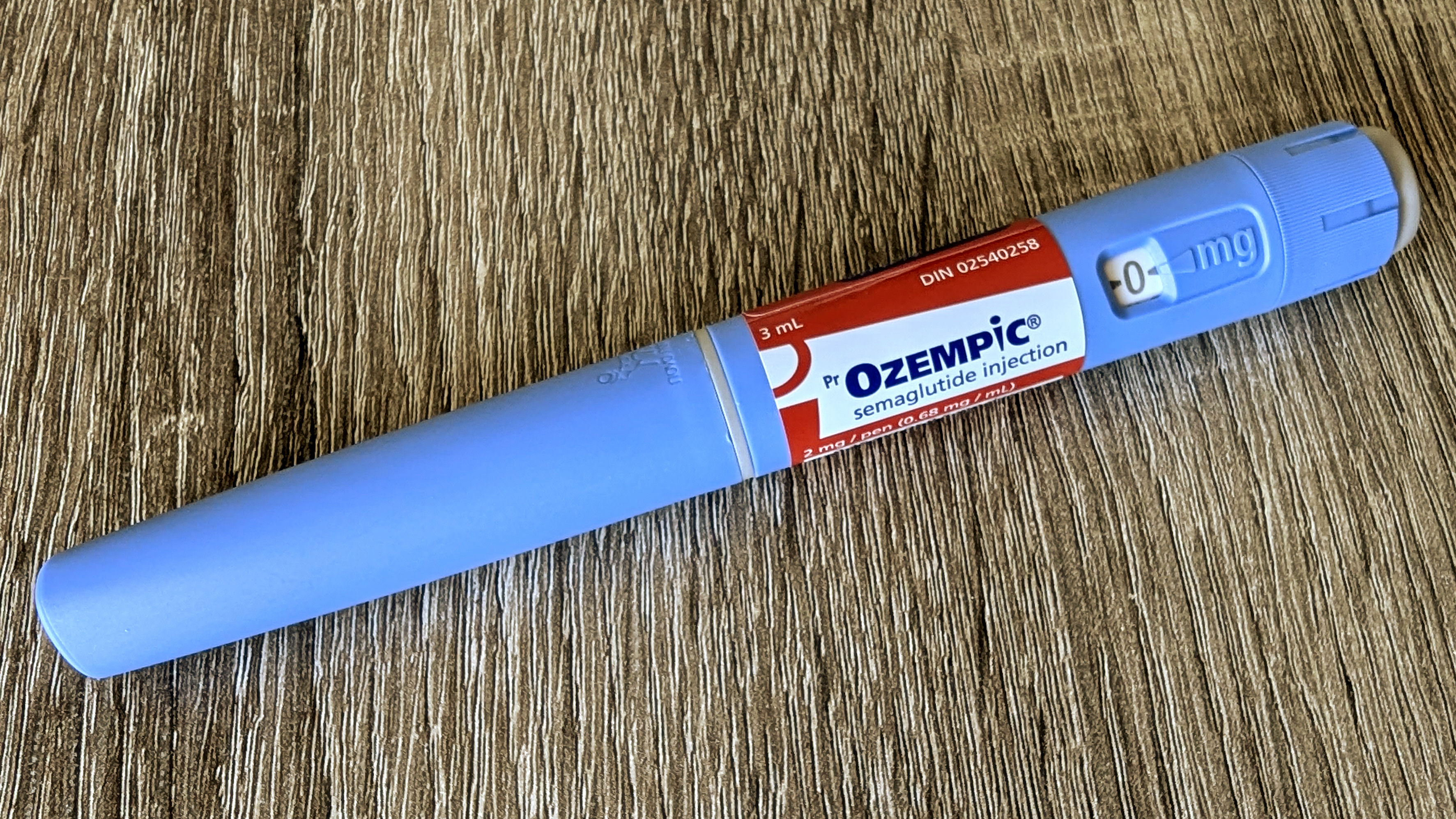
The dose matters, and it is a frequent source of confusion. The 14.9% figure comes from semaglutide 2.4 mg tested for obesity — the dose later marketed as Wegovy — not from Ozempic's diabetes doses, which produce roughly 5% to 7% weight reduction as a secondary outcome in diabetes trials [3]. At the time of publication, semaglutide was approved only at doses up to 1 mg weekly for type 2 diabetes and for reducing cardiovascular risk in people with type 2 diabetes and cardiovascular disease [1].
The trial also shows what the result required: a 16-week dose ramp, injections every week for 68 weeks, and monthly counseling on diet and activity for both groups [1]. Side effects were common enough that about 1 in 22 people on semaglutide stopped because of stomach and bowel problems [1].
What happens next
STEP 1 measured outcomes through week 68, followed by a 7-week period off both drug and lifestyle intervention [1]. What happens to weight over multiple years, and whether these results change cardiovascular outcomes in people without diabetes, is not addressed in this trial.
One small note on dating: the article appeared online February 10, 2021, while a later secondary source cites it as "Wilding et al., NEJM, March 2021," the print issue date [3]. Both refer to the same study.
Images from the sources

Sources
Semaglutides.org is for information only and is not medical advice. Always talk to a licensed healthcare provider about your own care. Some links to telehealth services are affiliate links, labeled where they appear.