Mounjaro's first full quarter beats expectations and fuels off-label use
Eli Lilly's diabetes drug Mounjaro posted far higher sales than Wall Street expected in its first full quarter, with executives citing word-of-mouth demand driven partly by people seeking weight loss.
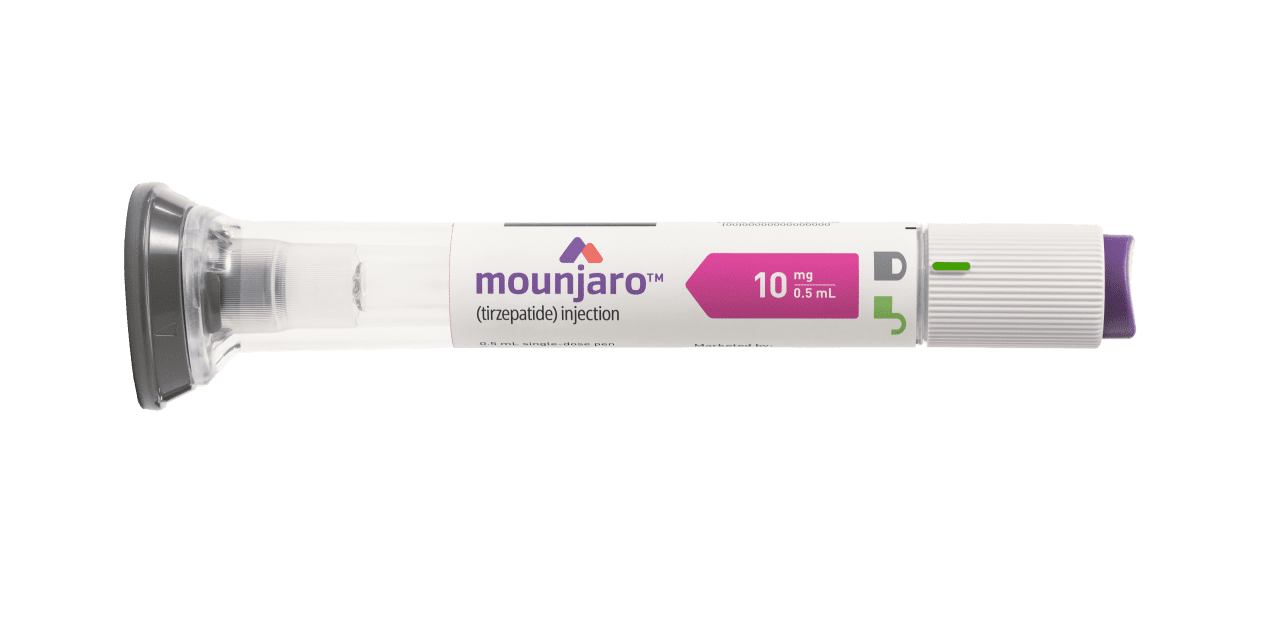
Eli Lilly reported that U.S. sales of its diabetes drug Mounjaro reached $97 million in the third quarter of 2022, the drug's first full quarter on the market since its May 13 approval by the Food and Drug Administration [1]. Counting payments tied to a collaboration with Mitsubishi Tanabe Pharma in Japan, global revenue for the quarter totaled $187 million, according to BioPharma Dive, or $187.3 million as reported by MarketWatch [1][2]. Either way, the figure blew past Wall Street's expectations, which BioPharma Dive put at a consensus of $82 million and MarketWatch, citing FactSet, put at $79.0 million [1][2].
"We have seen unprecedented demand for Mounjaro's Type 2 diabetes launch in the U.S.," Lilly Chief Financial Officer Anat Ashkenazi told analysts on a call [1]. Mounjaro, known chemically as tirzepatide, works by stimulating two hormones that help control insulin. In company-cited trial data, it lowered patients' blood sugar more than other diabetes treatments, including insulin and a competing drug from Novo Nordisk [1].
Mounjaro is approved only for Type 2 diabetes, so Lilly cannot market it for weight loss. But the drug also produced a strong weight-loss effect in diabetes trials and in a separate large study testing it specifically as an obesity treatment [1]. That result, combined with the FDA's 2021 approval of Novo Nordisk's Wegovy (semaglutide) for chronic weight management, has driven significant off-label interest in Mounjaro among people who do not have diabetes [1]. Lilly is running a second obesity study and expected to complete an approval application in that indication if results due in April 2023 were positive [1].
Mike Mason, president of Lilly's diabetes division, said about two-thirds of patients prescribed Mounjaro in the third quarter had already tried other Type 2 diabetes medicines, while the remaining third were newly diagnosed or not yet diagnosed with the condition [1]. Mason described the drug's uptake as having a "viral nature" within the diabetes community and warned that production might not always keep pace with weekly demand, causing intermittent delays for some dosing strengths [1]. Lilly was building a large manufacturing plant in North Carolina, expected to become operational the following year, to help meet demand, following the pattern of Novo Nordisk, which had already faced supply shortages of Wegovy [1].
Why it matters for patients
The sales results show that demand for Mounjaro outpaced what Lilly and Wall Street analysts had planned for, only months after its approval [1][2]. For patients, that combination of strong demand and limited manufacturing capacity helps explain reports of intermittent shortages for certain doses, a pattern Mason acknowledged directly [1]. Because much of the early demand was coming from people using the drug for weight loss rather than diagnosed diabetes, patients with Type 2 diabetes may have faced more competition for supply of a medicine intended for their condition, even though Mounjaro was not yet approved for weight management at all [1]. The episode also illustrates how off-label interest, fueled partly by word of mouth, can shape a drug's early trajectory before regulators have reviewed it for that specific use [1].
What happens next
At the time of this report, Lilly said it expected results from its obesity-specific study in April 2023 and, if positive, planned to complete a regulatory application for that use [1]. The company's North Carolina manufacturing plant was expected to become operational the following year to help expand supply [1]. Whether demand, supply, or insurance coverage would change by the time of an obesity approval was not addressed in these sources.
Images from the sources
Sources
Semaglutides.org is for information only and is not medical advice. Always talk to a licensed healthcare provider about your own care. Some links to telehealth services are affiliate links, labeled where they appear.