Cystatin C analysis confirms the tirzepatide kidney signal is not a muscle-mass artifact
A new analysis using a muscle-independent kidney marker found tirzepatide still preserved kidney function better than insulin glargine, easing worries that weight-driven muscle loss was faking the benefit.[1]
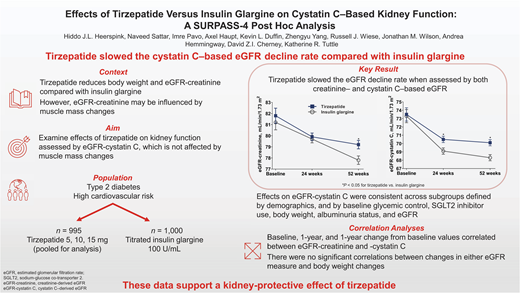
Researchers reanalyzed data from the SURPASS-4 trial to check whether tirzepatide's apparent kidney benefit was real or just a side effect of muscle loss. The concern: large weight loss can reduce muscle mass, which lowers creatinine levels and can make standard kidney function tests look better than they actually are.[1]
To test this, the study team measured kidney function two ways in the same patients. One method, based on creatinine, is sensitive to muscle mass. The other, based on a protein called cystatin C, is not affected by muscle changes.[1] The study included adults with type 2 diabetes and high cardiovascular risk who took pooled doses of tirzepatide (5, 10, and 15 mg) or titrated insulin glargine, a standard diabetes treatment, over 52 weeks.[1]
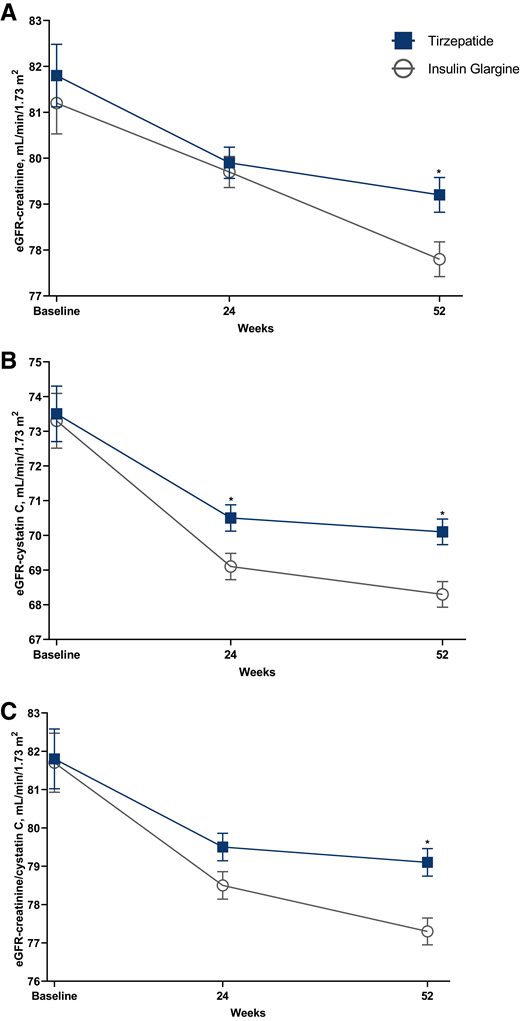
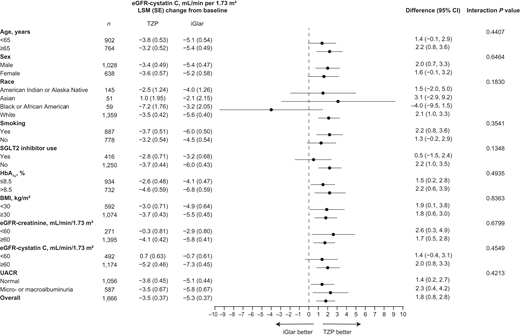
Using the creatinine-based measure, kidney function (eGFR) dropped by 2.5 mL/min/1.73 m2 on tirzepatide versus 3.9 on insulin glargine, a between-group difference of 1.4 mL/min/1.73 m2 favoring tirzepatide.[1] Using the cystatin C-based measure, which does not depend on muscle mass, the drop was 3.5 on tirzepatide versus 5.3 on insulin glargine, a between-group difference of 1.8 mL/min/1.73 m2.[1] Both measures pointed the same direction, and values from the two tests correlated significantly with each other at baseline, at one year, and in the amount of change over one year.[1]
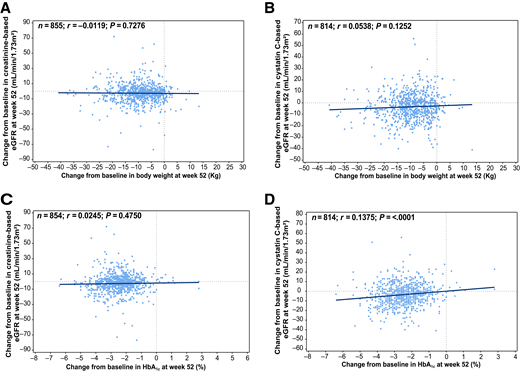
The researchers also checked whether the kidney findings actually depended on weight loss. They found that changes in eGFR did not correlate with changes in body weight.[1] In other words, the kidney effect did not appear to simply track how much weight a patient lost.
Why it matters for patients
This analysis addresses a specific technical worry: that drugs like tirzepatide might look like they protect the kidneys only because they cause muscle loss, which artificially inflates creatinine-based kidney scores. By using a marker unaffected by muscle mass and finding a similar, statistically significant benefit, the study supports the idea that the kidney effect is genuine rather than a measurement artifact.[1]
For patients with type 2 diabetes and elevated cardiovascular risk, similar to those enrolled in SURPASS-4, this adds evidence that tirzepatide may slow the rate of kidney function decline compared with insulin glargine over about a year.[1] The study's authors conclude that tirzepatide slows the eGFR decline rate in a way that supports a kidney-protective effect.[1]
This is a post hoc analysis, meaning it was not the original planned purpose of the SURPASS-4 trial, and it does not establish that tirzepatide prevents kidney disease or failure. It also does not address people without type 2 diabetes, people at lower cardiovascular risk, or long-term outcomes beyond one year. The source does not report how these kidney findings apply to Zepbound, the tirzepatide brand approved for weight loss in people without diabetes, so that question is not yet known from this analysis.
What happens next
The analysis was published in Diabetes Care on June 2, 2023, with the print version appearing in the August 2023 issue.[1] The source does not describe any follow-up studies or regulatory actions planned as a result of these findings, so further confirmation in longer or larger trials is not yet known.
Images from the sources
Sources
Semaglutides.org is for information only and is not medical advice. Always talk to a licensed healthcare provider about your own care. Some links to telehealth services are affiliate links, labeled where they appear.