Walmart says GLP-1 users are buying less food
Walmart's US CEO said anonymized data shows shoppers who fill GLP-1 prescriptions at its pharmacies buy fewer items and "slightly less calories" — the first retailer to confirm the effect in its own sales data.
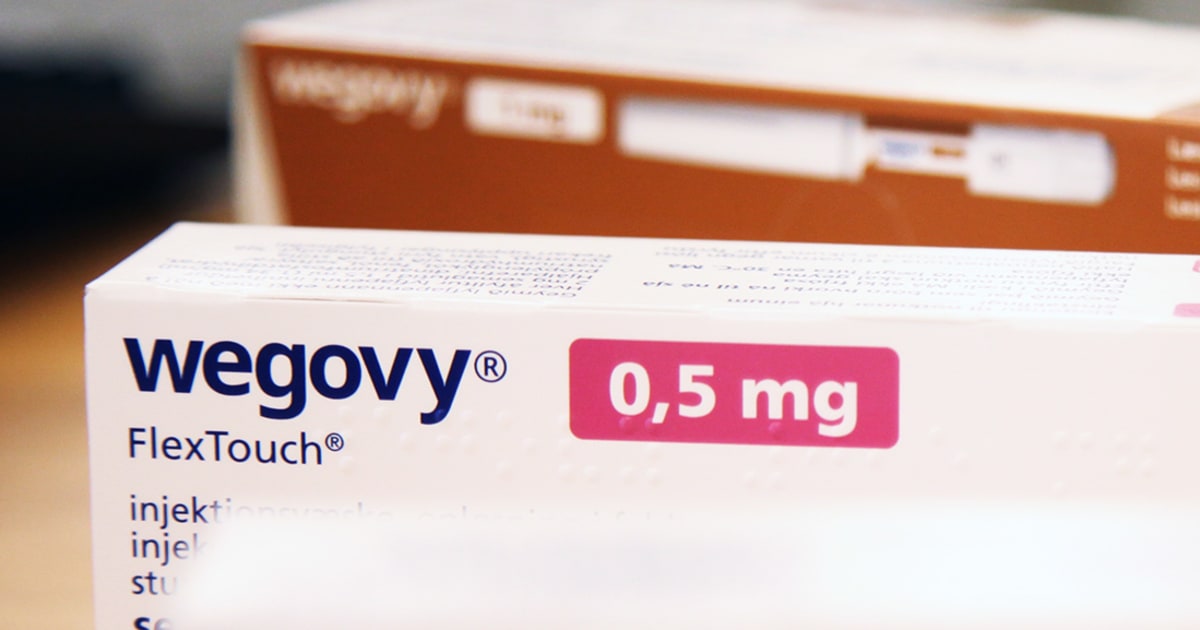
Walmart's US chief executive said the company can already see a measurable dip in how much food GLP-1 users buy at its stores, based on anonymized shopper data. It was the first time a major American retailer put hard numbers — or at least a direction — behind a shift that food companies had been speculating about all year.
"We definitely do see a slight change compared to the total population, we do see a slight pullback in overall basket," John Furner, CEO of Walmart's US operation, said in an interview published October 4, 2023. "Just less units, slightly less calories." [2]
How Walmart figured this out
Walmart sells GLP-1 medications through its pharmacies, which means it can link, in anonymized form, who is filling a prescription with what lands in their cart [1][2]. The company compared that group with otherwise similar shoppers who were not filling those prescriptions at Walmart, then looked for differences in spending patterns [1].
The drug class includes semaglutide, sold as Ozempic for type 2 diabetes and Wegovy for weight loss, as well as Mounjaro (tirzepatide) and Victoza [1].
Furner was careful not to overstate the finding. He said it was too early to draw any definitive conclusions about the effect of the appetite-suppressing medicines made by Novo Nordisk and other manufacturers [2]. Walmart did not release the size of the pullback in dollars or percentage terms, and the sources do not say how many of its shoppers are on these drugs, how long they had been taking them, or whether the effect holds up over time.
The numbers behind the trend
The prescribing growth that prompted this analysis was steep. A Trilliant Health report cited by Bloomberg found US sales of these medicines rose 300% between 2020 and 2022 [2]. NBC News, citing the same firm, reported that prescriptions quadrupled from late 2020 to 2022, with 9 million prescriptions filled in the last three months of 2022 [1]. Those are two different measures — dollar sales versus prescription counts — so they are not directly comparable, but both point in the same direction.
For Walmart, the pharmacy side was a positive. Walmart Inc. CEO Doug McMillon said in August 2023 that the drugs' popularity was helping sales: "We still expect food, consumables, and health and wellness primarily due to the popularity of some GLP-1 drugs to grow as a percent of total in the back half," he told analysts [2].
Other companies were watching. Days before Furner's comments, Steve Cahillane, CEO of Kellanova — the maker of Pringles and Cheez-Its — said the company was studying the drugs' potential effect on eating behavior. "Like everything that potentially impacts our business, we'll look at it, study it and, if necessary, mitigate," he said [2]. An increasing number of CEOs and investors were discussing how weight-loss drugs might reshape the economy [2].
Why it matters for patients
The practical takeaway is that reduced appetite on a GLP-1 is not just a self-reported symptom — it shows up in cash-register data across a large population of shoppers [2]. For people considering these medications, that is a concrete signal of how the drugs work in daily life: smaller quantities of food, fewer calories, a smaller basket.
It also means household food spending may change while medication spending goes up. The sources do not quantify how much anyone saves at the grocery store, and Walmart described the effect as slight [2], so it should not be assumed to offset drug costs.
There is a privacy angle worth understanding. Walmart said the analysis uses anonymized data on shopper populations rather than individual profiles [1][2]. Still, it shows that a retailer that both fills your prescription and sells your groceries can connect those two datasets at the group level. The sources do not describe what disclosures or opt-outs Walmart offers.
Finally, patients on these drugs are now a commercially significant group. Food manufacturers studying "mitigation" [2] may reformulate products or market differently to people eating less. That could eventually change what is on shelves.
What happens next
Walmart did not commit to a date for releasing fuller results, and Furner said the data was too early for firm conclusions [2]. Whether the pullback grows, shrinks, or shifts toward different categories — more protein, fewer snacks — is not yet known from these sources. Food companies including Kellanova said they were still studying the question as of early October 2023 [2].
Sources
Semaglutides.org is for information only and is not medical advice. Always talk to a licensed healthcare provider about your own care. Some links to telehealth services are affiliate links, labeled where they appear.