UK regulator authorizes Mounjaro for weight management, splitting the brand map
Britain's MHRA cleared tirzepatide for weight management under the Mounjaro name on the same day the FDA approved the same molecule in the US as Zepbound [1][2].
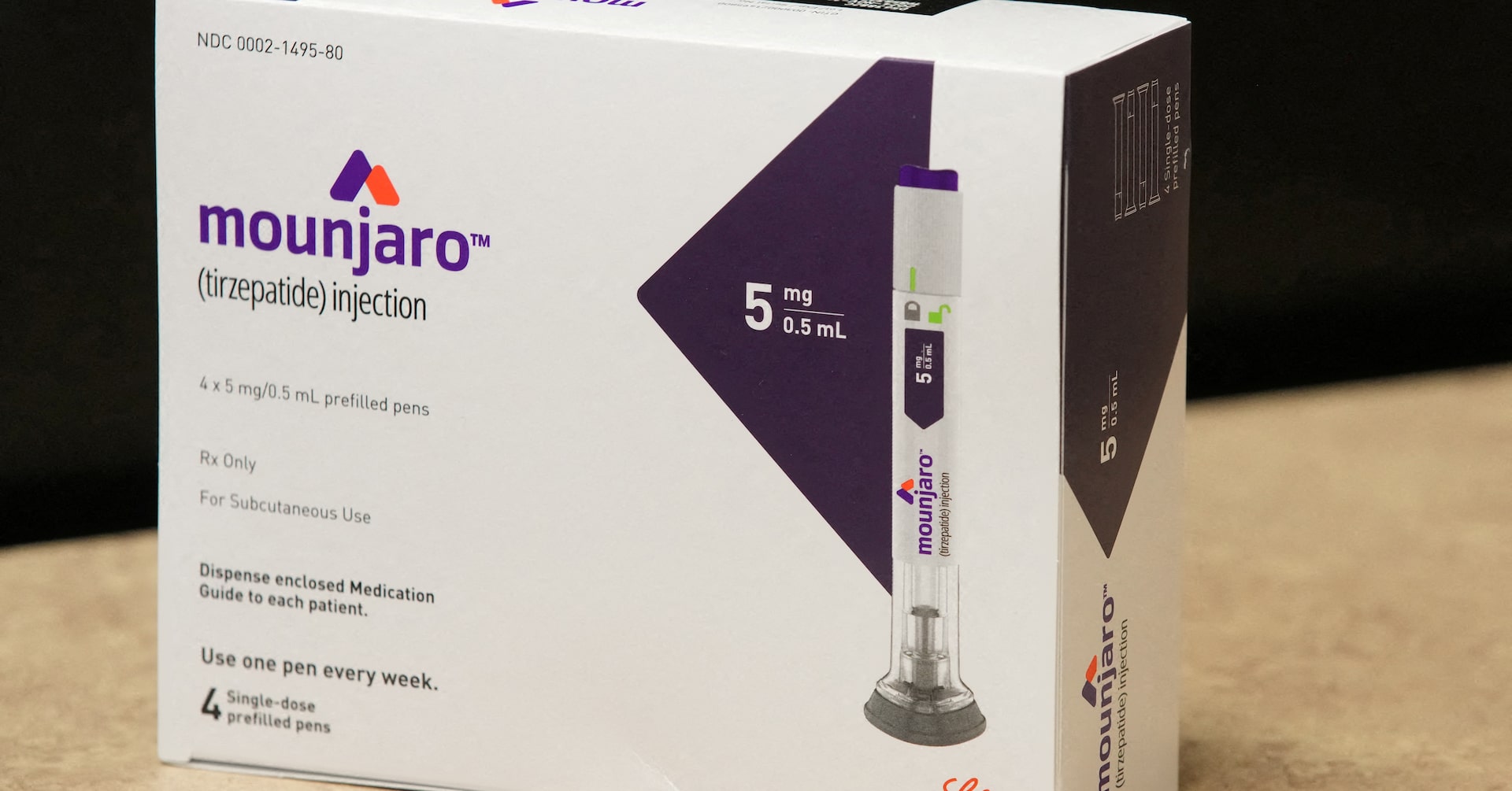
On November 8, 2023, the UK's Medicines and Healthcare products Regulatory Agency (MHRA) authorized a new indication for Mounjaro (tirzepatide) for weight loss and weight management in adults aged 18 and over [1]. The clearance came hours after the US Food and Drug Administration approved the same drug for weight loss under a different brand name, Zepbound [2].
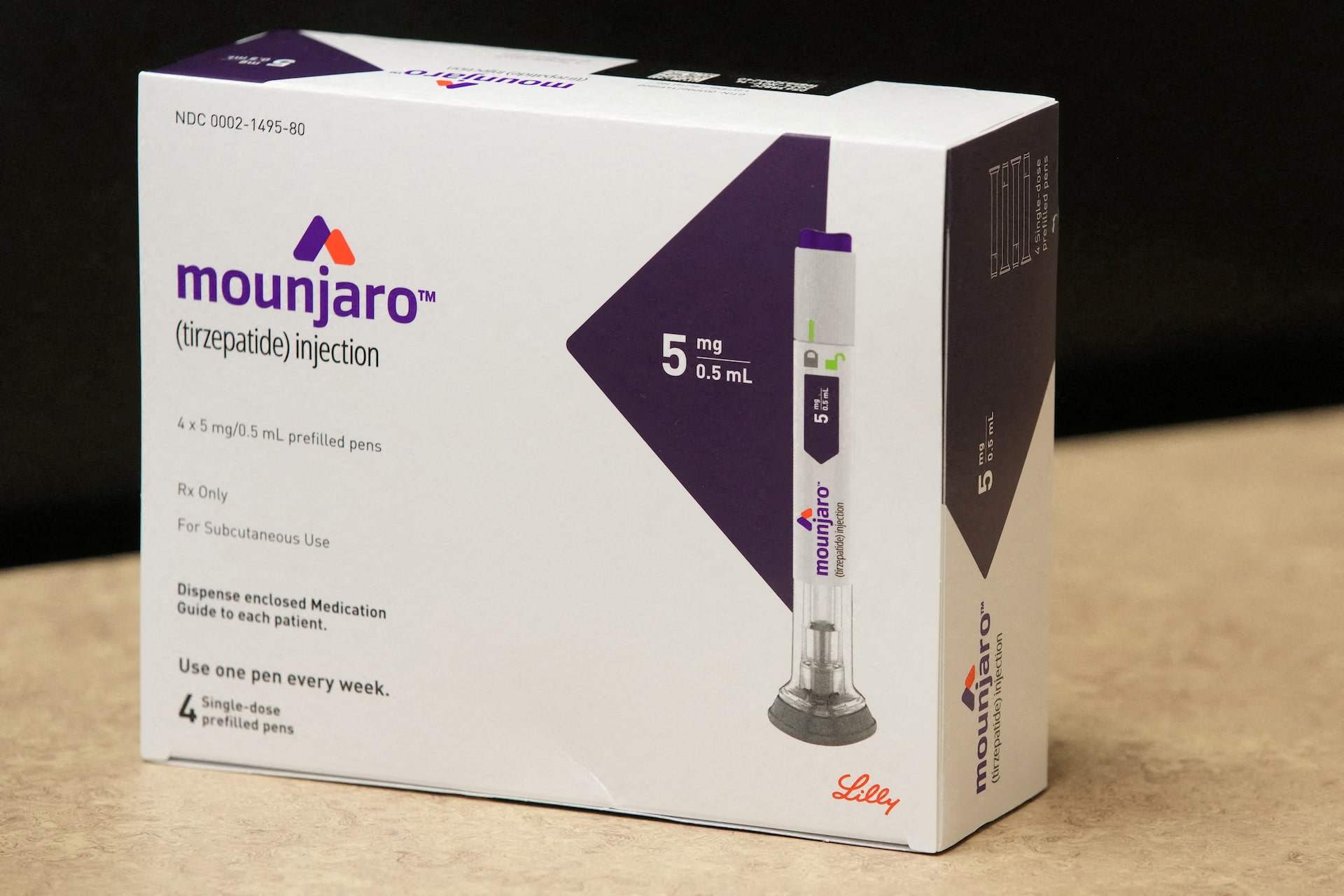
That timing created a naming split that still confuses American readers. Tirzepatide is the molecule in both products. In the US, Eli Lilly sells it as Mounjaro for type 2 diabetes and as Zepbound for obesity [2]. In the UK, the MHRA added the weight indication to the existing Mounjaro authorization instead, so British headlines about "Mounjaro for weight loss" describe a label that does not exist in the United States [1][2].
What the UK label covers
The MHRA authorized Mounjaro for adults with a BMI of 30 kg/m² or more, and for adults with a BMI between 27 and 30 kg/m² who also have a weight-related health problem such as prediabetes, high blood pressure, high cholesterol, or heart problems [1]. The medicine is to be used alongside a reduced-calorie diet and increased physical activity [1].
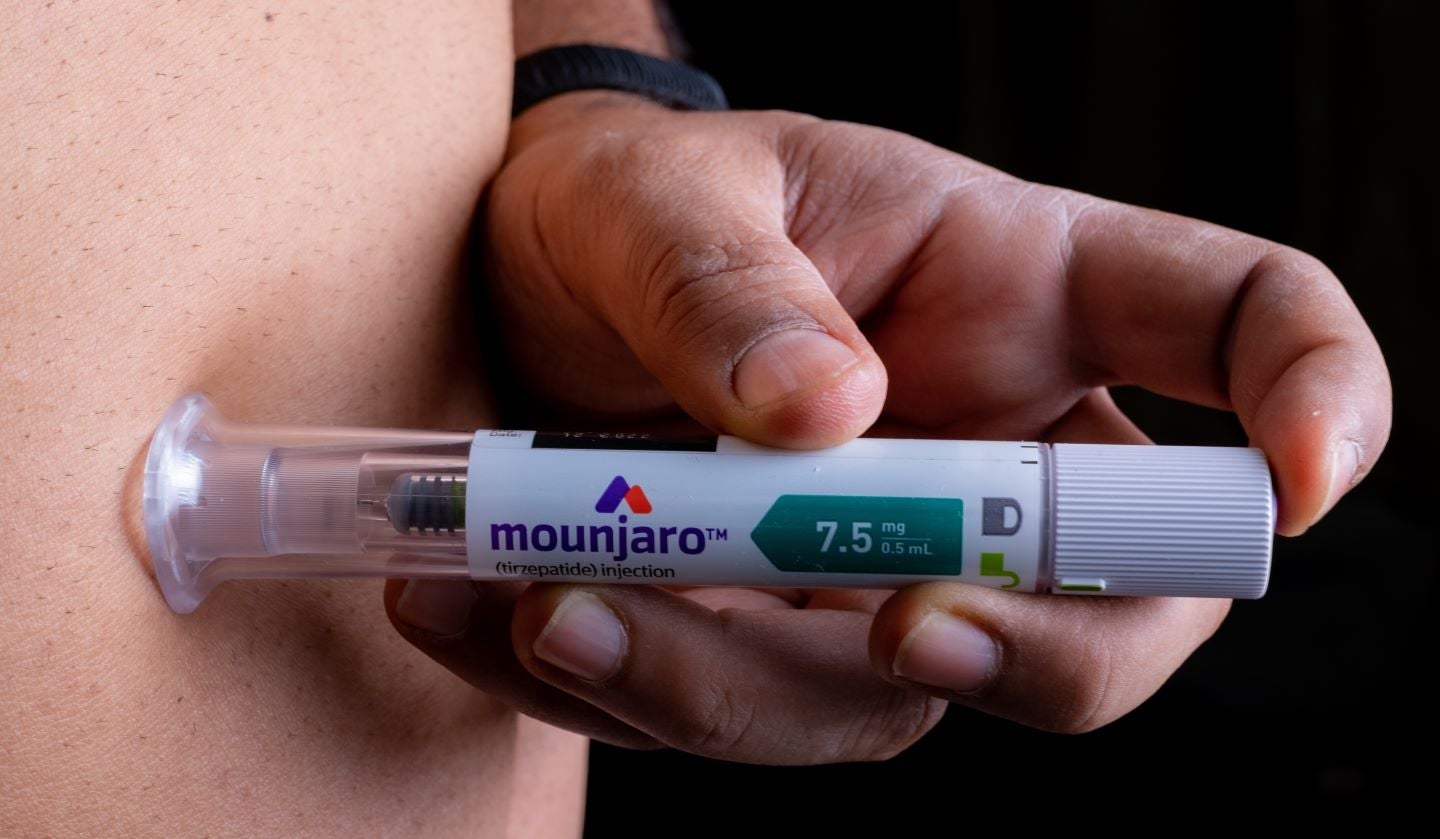
The product is supplied as a pre-filled injection pen in 2.5 mg, 5 mg, 7.5 mg, 10 mg, 12.5 mg and 15 mg strengths, injected under the skin of the stomach, thigh or upper arm [1]. Per the MHRA, the label starts at 2.5 mg once weekly for four weeks, moves to 5 mg weekly, and can then be raised at intervals of at least four weeks up to a maximum of 15 mg weekly if a doctor recommends it [1].
The authorization was granted through a national application route to Eli Lilly Nederland B.V. [1]. Julian Beach, the MHRA's interim executive director for healthcare quality and access, said the agency "prioritised rapid assessment of this new indication for Mounjaro, given the public health importance of access to new medicines to help tackle obesity," and that it drew on advice from the independent Commission on Human Medicines [1][2][3].
The trial numbers behind it
The decision rested on two international, randomized, double-blind, placebo-controlled trials [1].
SURMOUNT-1 enrolled 2,539 adults with obesity or overweight plus at least one weight-related complication other than diabetes, randomized to weekly tirzepatide at 5 mg, 10 mg or 15 mg, or placebo, over 72 weeks [1]. Average weight change was −16.0% at 5 mg, −21.4% at 10 mg, −22.5% at 15 mg, and −2.4% on placebo [1]. At least 5% of body weight was lost by 89.4%, 96.2% and 96.3% of tirzepatide groups respectively, versus 27.9% on placebo [1].
SURMOUNT-2 enrolled 938 adults with obesity or overweight and type 2 diabetes, on weekly 10 mg or 15 mg tirzepatide or placebo, also over 72 weeks [1]. Mean weight change was −13.4% at 10 mg, −15.7% at 15 mg, and −3.3% on placebo, with 81.6% and 86.4% losing at least 5%, versus 30.6% on placebo [1].
The most common side effects listed are nausea, diarrhea, vomiting — which the MHRA says usually eases over time — and constipation [1]. Low blood sugar is described as very common in patients with diabetes [1]. The MHRA also flagged that patients using oral contraceptives should consider adding a barrier method or switching to a non-oral method for four weeks after starting Mounjaro and for four weeks after each dose increase, because the drug may affect how well the pill works [1].
Why it matters for patients
For US readers, the practical takeaway is that a British news story about Mounjaro's obesity approval is not describing a change to the American Mounjaro label. In the US, the obesity brand is Zepbound [2]. Insurance coverage, prescribing paperwork and pharmacy stock in the US are keyed to those separate brand names, so mixing them up can lead to wrong assumptions about what a US prescription covers.
The trial percentages quoted in UK coverage, however, come from the same SURMOUNT-1 and SURMOUNT-2 studies that underpin the US approval [1][2]. The efficacy evidence is shared; the branding is not.
What the sources do not address is UK pricing, whether the National Health Service will fund Mounjaro for weight management, or how supply will be handled. Those details are not yet known from this announcement.
What happens next
The MHRA said the Summary of Product Characteristics and patient information leaflet would be published on its products website within seven days of the November 8 approval [1]. The agency added that it will keep Mounjaro's safety and effectiveness under close review and encouraged UK patients to report suspected side effects through the Yellow Card scheme [1].
Images from the sources
Sources
- https://www.gov.uk/government/news/mhra-authorises-diabetes-drug-mounjaro-tirzepatide-for-weight-management-and-weight-loss
- https://www.reuters.com/business/healthcare-pharmaceuticals/uks-mhra-authorises-eli-lillys-mounjaro-2023-11-08/
- https://www.pharmaceutical-technology.com/news/mhra-lilly-mounjaro/
Semaglutides.org is for information only and is not medical advice. Always talk to a licensed healthcare provider about your own care. Some links to telehealth services are affiliate links, labeled where they appear.