First report that tirzepatide users drink less alcohol
A study combining Reddit posts and a 153-person survey found people taking semaglutide or tirzepatide reported drinking less alcohol, marking the first published report of reduced drinking tied to tirzepatide specifically.
A study published in Scientific Reports on November 28, 2023, found that people taking semaglutide or tirzepatide for obesity reported drinking less alcohol than before starting the medication, and less than a control group who took neither drug [1]. The paper is described as the first report of reduced alcohol consumption tied specifically to tirzepatide, the active ingredient in Mounjaro and Zepbound [1].
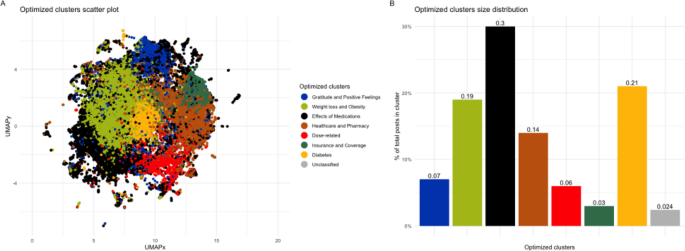
Researchers ran two parts of the study. First, they used a machine-learning tool to analyze about 68,250 Reddit posts that mentioned GLP-1 or GLP-1/GIP drugs [1]. Among posts that discussed alcohol (1,580 of them), 71% described craving reduction, a decreased desire to drink, or other negative effects tied to alcohol [1]. The Reddit posts overall fell into eight major themes, with effects of medications making up 30% of posts, diabetes 21%, and weight loss and obesity 19% [1].
Second, the researchers recruited 153 adults with a body mass index of 30 or higher who were current drinkers, including people who had self-reported taking semaglutide or tirzepatide for at least 30 days and a control group taking neither drug for diabetes or weight loss [1]. Compared with their own drinking before starting the medication, and compared with the control group, people on semaglutide or tirzepatide reported significantly lower alcohol intake, fewer drinks per drinking episode, lower odds of binge drinking, and lower scores on the Alcohol Use Disorders Identification Test (AUDIT), a standard screening tool [1]. They also reported lower stimulating and sedative effects from alcohol [1].
The authors note this evidence is preliminary and self-reported, based on a mix of social media analysis and a remote survey rather than a controlled clinical trial [1]. Still, they call it "initial real-world evidence" suggesting the drugs might have use in treating alcohol use disorder when it occurs alongside obesity [1].
The finding builds on a growing body of animal research. Studies in rats, mice, and vervet monkeys have found that GLP-1 drugs including semaglutide reduce alcohol intake and relapse-like drinking [1]. Brain regions tied to alcohol reward, including the ventral tegmental area and nucleus accumbens, contain GLP-1 receptors, which may explain a biological pathway [1]. In humans, the only prior clinical trial of a GLP-1 drug for alcohol use disorder tested exenatide and did not find a significant reduction in heavy drinking days overall, though it did find reduced heavy drinking in the subgroup of patients with obesity, along with changes in brain activity on imaging when participants viewed images of alcohol [1]. No study of tirzepatide's effects on alcohol use had been published before this report, according to the authors [1].
Why it matters for patients
Current FDA-approved treatments for alcohol use disorder, including naltrexone, acamprosate, and disulfiram, have had only modest success; one review cited in the study found naltrexone reduces relapse rates by about 5%, and roughly two-thirds of patients relapse within a year under abstinence-based treatment models [1]. If GLP-1 and GLP-1/GIP drugs turn out to meaningfully reduce drinking, that could matter for the millions of people already taking semaglutide or tirzepatide for diabetes or weight loss who also drink alcohol regularly. But this study is not a randomized clinical trial, and neither semaglutide nor tirzepatide is approved by the FDA to treat alcohol use disorder. The findings rely on self-reported data from a relatively small sample and from unverified social media posts, so they cannot show that the drugs actually caused people to drink less, only that reduced drinking was reported alongside their use [1].
What happens next
The study's authors say more clinical data is needed to understand how GLP-1 and related drugs affect alcohol use disorder, beyond the preclinical animal work and this early human survey data [1]. The paper does not include a timeline for follow-up trials.
Sources
Semaglutides.org is for information only and is not medical advice. Always talk to a licensed healthcare provider about your own care. Some links to telehealth services are affiliate links, labeled where they appear.