Lilly publishes an open letter telling people not to use its drugs for cosmetic weight loss
Eli Lilly issued a public letter on January 4, 2024 saying Mounjaro and Zepbound are approved to treat disease, not for cosmetic weight loss, while also warning about fake and compounded versions of its drugs.
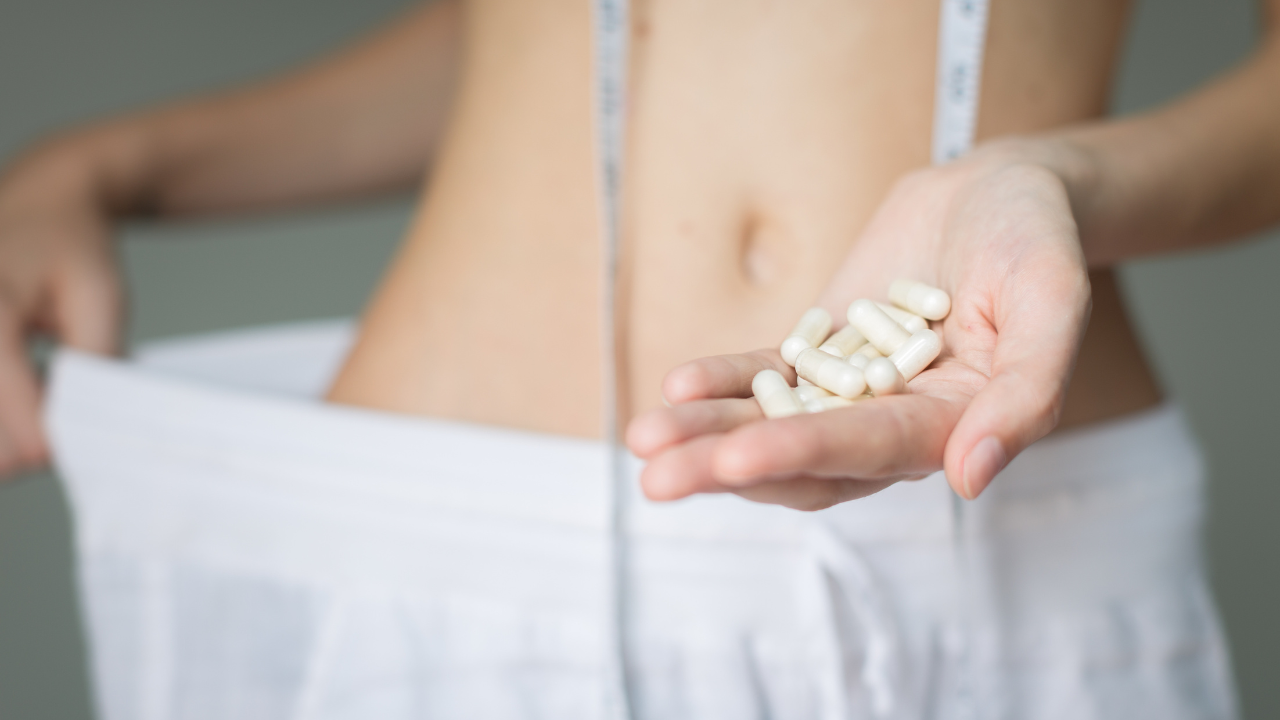
Eli Lilly and Company published an open letter on January 4, 2024, the same day it launched its LillyDirect service, telling the public that its drugs Mounjaro (tirzepatide) and Zepbound (tirzepatide) are not approved for cosmetic weight loss and should not be used that way [1][2]. The company repeated a similar message in a March 2024 campaign timed to Oscars week [1].
In the letter, Lilly said Mounjaro is approved along with diet and exercise to improve blood sugar control in adults with type 2 diabetes [2]. Zepbound is approved for adults with a body mass index of 30 kg/m2 or greater, or a BMI of 27 kg/m2 or greater with at least one weight-related condition such as high blood pressure, high cholesterol, type 2 diabetes, obstructive sleep apnea, or cardiovascular disease, combined with a reduced-calorie diet and more physical activity [1][2]. Lilly said it "does not promote or encourage use of Mounjaro, Zepbound, or any Lilly medicines outside of a medicine's FDA-approved indication" [2].
The company also flagged safety concerns about compounded versions of tirzepatide. Lilly said products made by compounding pharmacies claiming to contain tirzepatide, Mounjaro, or Zepbound have not been reviewed by the FDA or other regulators for safety, quality, or effectiveness, and are not FDA-approved [1][2]. Lilly said it found at least one instance where a supposed tirzepatide product tested as just sugar alcohol, and it raised concerns about impurities in other compounded products [2]. The company said it would pursue legal action against certain medical spas, wellness centers, compounding pharmacies, importers, and distributors selling products that falsely claim to contain tirzepatide [1][2]. In October 2023, Lilly had filed a complaint with the U.S. International Trade Commission against 11 online pharmacies over tirzepatide imports; Lilly says it is the only company authorized by the FDA to sell tirzepatide-containing products [1].
Neither drug has been studied in people with severe gastrointestinal disease, including severe gastroparesis, so Lilly said the medicines are not recommended for that group [1][2]. The letter also urged that the drugs be prescribed only by licensed health care professionals and that patients talk with their provider to see if the medicine is right for them [1].
The letter came alongside broader warnings about counterfeit GLP-1 products across the category. In October 2023, several people in Austria were hospitalized after taking a suspected fake version of Novo Nordisk's Ozempic; reports said they had hypoglycemia and seizures, symptoms consistent with insulin rather than semaglutide, Ozempic's active ingredient [1]. Novo Nordisk had separately warned in June 2023 about a counterfeit semaglutide injection pen found in the U.S. [1][2].
Why it matters for patients
This letter matters because it draws a line between the FDA-approved uses of Mounjaro and Zepbound and any other use, including weight loss in people who don't meet the BMI or health-condition criteria in the label [1][2]. It also is a direct warning that compounded tirzepatide products have not gone through FDA review for safety, quality, or effectiveness, and may carry health risks, including the sugar-alcohol substitution Lilly says it detected [2]. For people considering these drugs, or already taking a version obtained outside a standard pharmacy channel, the letter is a signal to know exactly what is in a product and whether it came from an FDA-regulated source. It does not change what the drugs are approved to treat, but it puts on record that Lilly views cosmetic use, and non-Lilly compounded versions, as outside its intended and reviewed use [1][2].
The letter also arrives amid a broader access debate. Because obesity is not universally treated as a chronic disease for insurance purposes, coverage for anti-obesity medications remains limited, and demand for these drugs has reportedly grown sharply in recent years, which has strained supply [2].
What happens next
Lilly said it would continue pursuing legal action against sellers of unauthorized tirzepatide products [1][2]. The company encouraged patients and providers who suspect they have received counterfeit or compounded tirzepatide to contact their health care provider and report it to Lilly's Answers Center [1].
Images from the sources

Sources
Semaglutides.org is for information only and is not medical advice. Always talk to a licensed healthcare provider about your own care. Some links to telehealth services are affiliate links, labeled where they appear.