Johann Hari publishes Magic Pill, the first mass-market GLP-1 book
Johann Hari's memoir "Magic Pill," published May 7, 2024, became an early mainstream account of taking Ozempic, mixing personal ambivalence with warnings about risks patients weigh today.[1][2]
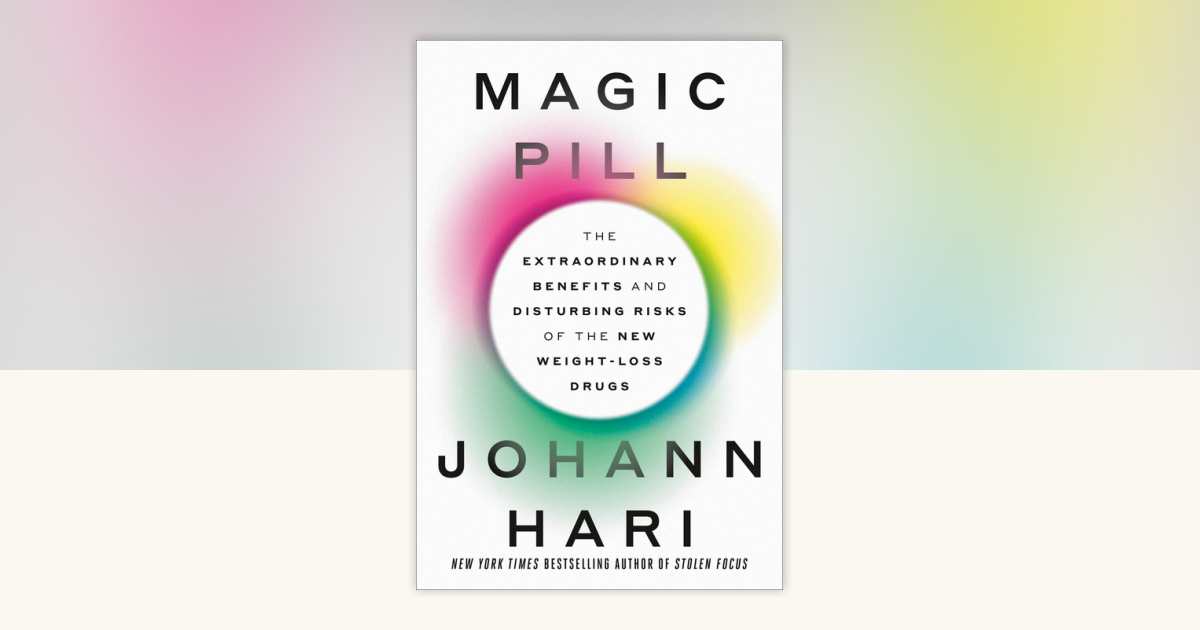
On May 7, 2024, journalist Johann Hari published "Magic Pill: The Extraordinary Benefits and Disturbing Risks of the New Weight-Loss Drugs," a 320-page hardcover memoir about his year taking semaglutide, the drug sold as Ozempic and Wegovy.[1] The book arrived from Crown and was released in hardcover, large print, ebook, and audiobook formats, with Hari narrating the audio edition himself.[1]
The book's full title signals its split approach: Hari set out to describe both the drug's benefits and its risks rather than take a single side.[2] In a Washington Post review, Marion Winik quotes Hari's own framing of the stakes: he argues Ozempic and its successors "look set to become one of the iconic and defining drugs of our time, on a par with the contraceptive pill and Prozac."[2] But when it comes to whether that is good or bad, Hari does not offer a clean verdict. As he puts it, in the words quoted by the Post, "If you want a book uncritically championing these drugs, or alternatively a book damning them, I am afraid I can't give it to you."[2]
That ambivalence is part of why the book stood out. Reviewer Winik notes just how fast these drugs had moved from obscure to common in the months before "Magic Pill" came out. She writes that when she started taking semaglutide herself in January 2024, she knew only two other people who had tried it; four months later, she says, it felt "almost ubiquitous."[2] Hari's book landed squarely in that gap between a drug that was still new to most Americans and one that was already reshaping conversations about weight, health, and willpower.
Why it matters for patients
"Magic Pill" is not a clinical guide, and it does not replace advice from a doctor or pharmacist. But it helped set the tone for how millions of Americans would talk about GLP-1 drugs once they became widely available: not as a simple success story, and not as a simple danger, but as something personal and unresolved.[2] For readers deciding whether to start or continue a GLP-1 medication, the book's mixed stance is a reminder that even people who take these drugs and write about them at length do not always reach a tidy conclusion about whether the benefits outweigh the risks for everyone.[2]
The book's subtitle itself, promising both "extraordinary benefits" and "disturbing risks," reflects a tension that shows up in patient decision-making more broadly.[1] People considering semaglutide or other GLP-1 drugs are often weighing significant weight loss and other reported health effects against side effects and unknowns that researchers are still studying. Hari's account, built around his own year on the drug, does not settle that tension so much as document it.[2]
It's also worth noting what is not confirmed in the available reporting. Details about Hari's specific weight-loss results, his exact dosing, or particular passages describing guilt over achieving weight loss through medication rather than "hard work" are not part of the material reviewed here, so those specifics are not yet verified against the sources at hand.[1][2] Readers interested in those details would need to consult the book itself or additional reviews.
What happens next
No further publication milestones, translations, or follow-up editions are described in the available material. The book was released across hardcover, large print, ebook, and audio formats on its May 7, 2024 publication date, and it was marketed by its publisher as a bestseller.[1] Beyond that initial release and the Washington Post's review roughly ten days later, on May 17, 2024, no additional developments about the book's reception or impact are included in the sources reviewed here.[1][2]
Images from the sources
Sources
Semaglutides.org is for information only and is not medical advice. Always talk to a licensed healthcare provider about your own care. Some links to telehealth services are affiliate links, labeled where they appear.