Novo Nordisk starts a trial touching alcohol use, framed around liver disease
Novo Nordisk began a phase 2 trial testing semaglutide and other drugs in alcohol-related liver disease, tracking changes in drinking as a secondary measure, while stressing it is not developing a treatment for alcohol addiction.[1][2]
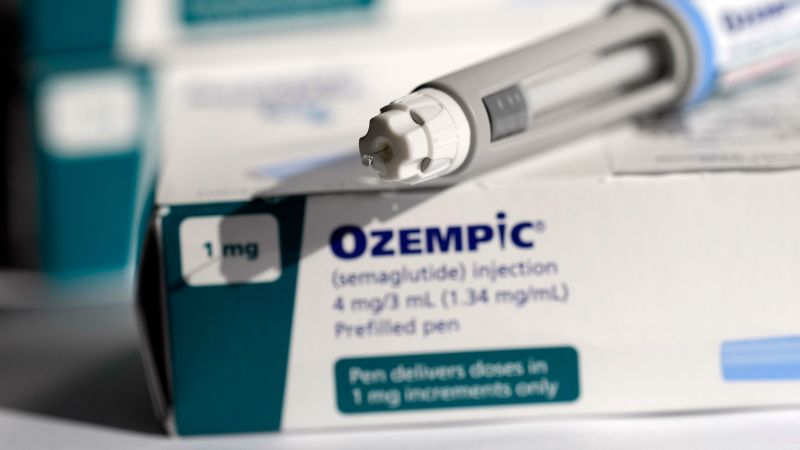
Novo Nordisk started a phase 2 clinical trial on May 20, 2024, testing semaglutide, the experimental amylin drug cagrilintide, and another experimental drug called zalfermin, alone and in combination, in people with alcohol-related liver disease [1][2]. The trial's main goal is to measure changes in liver scarring, known as enhanced liver fibrosis, over 28 weeks [1]. A change in alcohol consumption is listed as a secondary endpoint, not the primary one [1].
The study, registered as NCT06409130 on ClinicalTrials.gov, plans to enroll about 240 participants [1]. Novo Nordisk said the trial reflects a broader push into liver disease treatment, not a new effort to treat alcohol addiction [1]. "Even though not all patients in the trial will have alcohol use disorder, it is natural to include alcohol consumption as a secondary endpoint," a company spokesperson told CNN [1].
The announcement comes after years of anecdotal reports from patients taking semaglutide-based drugs like Ozempic and Wegovy, who described reduced cravings for alcohol along with reduced food cravings [1]. Novo Nordisk's CEO, Lars Fruergaard Jorgensen, told CNN in August 2023 that the company had heard many similar reports and suggested the same brain mechanism that reduces food cravings might affect other cravings, but said the company had no plans at that time to study addiction directly [1]. Animal research has pointed in a similar direction: a May 2023 study by National Institutes of Health researcher Dr. Lorenzo Leggio found that semaglutide reduced alcohol drinking in rodents, an effect he linked to the drug reducing the rewarding, dopamine-related effects of alcohol [1].
Drug companies have historically shown little interest in alcohol treatment. Research cited by financial firm TD Cowen found that fewer than 5% of the estimated 29 million Americans with alcohol-use disorder receive drug therapy, an outcome tied partly to doctors' unfamiliarity with existing medicines and difficulty with patients sticking to treatment [1]. A spokesperson for Eli Lilly, which makes the tirzepatide-based drugs Mounjaro and Zepbound, said the company has seen similar anecdotal reports but has not announced plans to study its drugs for addiction [1].
Why it matters for patients
For people already taking semaglutide-based drugs like Ozempic or Wegovy, this trial does not change what the medicines are approved to do. Semaglutide is not approved to treat alcohol use disorder, and Novo Nordisk has said repeatedly it is not pursuing that as a distinct indication [1]. Patients who have noticed reduced interest in drinking while on these drugs are describing a real and widely reported experience, but it has not yet been confirmed in a controlled clinical trial [1].
Leggio and other addiction researchers warned in a December 2023 commentary in Nature Medicine that these drugs should not be prescribed for alcohol-use disorder until safety and effectiveness are proven in rigorous trials [1]. That caution still applies. Because this new trial's main focus is liver scarring, and alcohol consumption is only a secondary measure, it may not produce a clear answer specifically about whether semaglutide reduces drinking, even after results are available [1].
What happens next
The trial was slated to begin enrolling participants on May 20, 2024 [1]. Results were not available in the source material, and no completion date for the study has been confirmed here [1][2]. Researchers outside the company, including Leggio and University of North Carolina addiction researcher Christian Hendershot, said they welcomed the study as a step toward badly needed treatment options, since alcohol is now the leading cause of cirrhosis and liver transplantation in the United States [1].
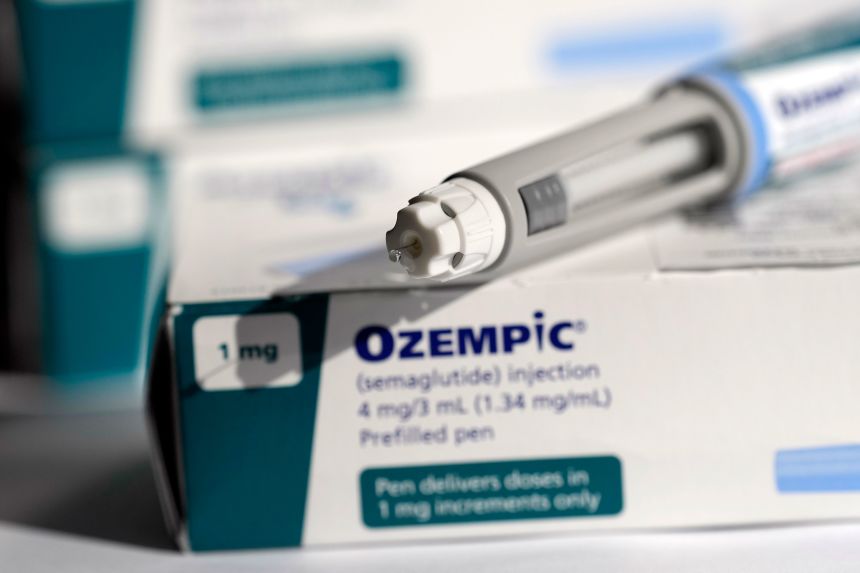
Images from the sources
Sources
Semaglutides.org is for information only and is not medical advice. Always talk to a licensed healthcare provider about your own care. Some links to telehealth services are affiliate links, labeled where they appear.