SUMMIT topline: tirzepatide cuts heart failure events by 38% in HFpEF
Eli Lilly said its phase 3 SUMMIT trial found tirzepatide cut a combined measure of heart failure events and cardiovascular death by 38% in adults with HFpEF and obesity, a condition with few proven drug treatments.
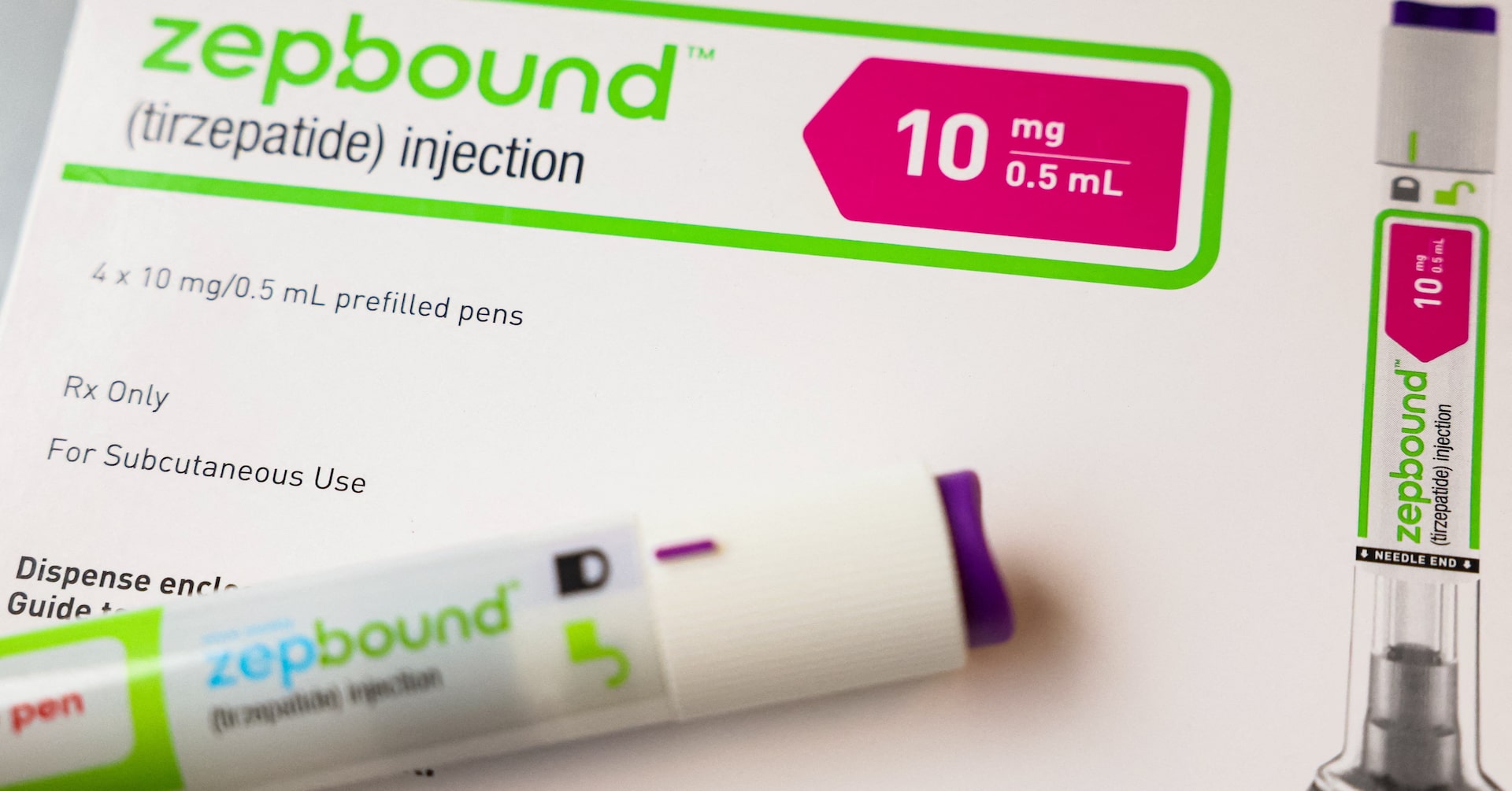
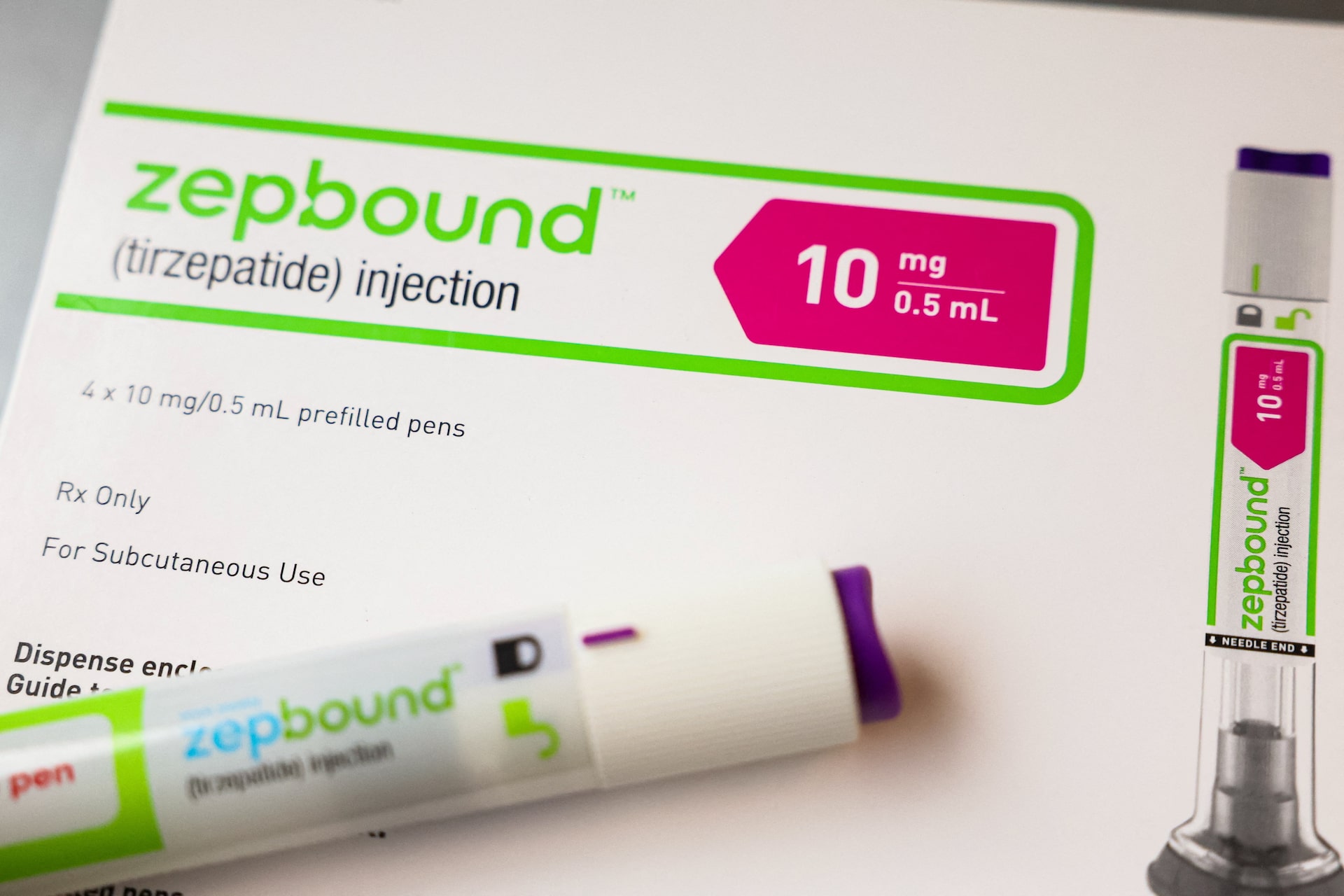
Eli Lilly announced on August 1, 2024 that tirzepatide — sold as Mounjaro for type 2 diabetes and Zepbound for obesity — met both primary goals in SUMMIT, a phase 3 trial in adults with heart failure with preserved ejection fraction (HFpEF) and obesity [1]. The drug reduced the risk of a combined endpoint of urgent heart failure visit, heart failure hospitalization, oral diuretic intensification or cardiovascular death by 38% compared with placebo [1][2].
What the trial measured
SUMMIT randomized 731 participants across the U.S., Argentina, Brazil, China, India, Israel, Mexico, Puerto Rico, Russia and Taiwan, splitting them 1:1 between tirzepatide and placebo [1]. Participants could have type 2 diabetes or not [1]. Those on the drug started at 2.5 mg once weekly and increased by 2.5 mg every four weeks until they reached their maximum tolerated dose of 5 mg, 10 mg or 15 mg [1].
The headline result was a hazard ratio of 0.62 (95% confidence interval 0.41 to 0.95; P=0.026) for time to first heart failure event, over a median follow-up of 104 weeks — about two years [1]. The wide confidence interval reflects the relatively small number of participants and events.
The second primary endpoint was symptoms and physical limitations, measured by the Kansas City Cardiomyopathy Questionnaire Clinical Summary Score (KCCQ-CSS). Under the trial's efficacy estimand, tirzepatide improved scores by 24.8 points from baseline versus 15.0 points for placebo; under the treatment-regimen estimand, the numbers were 19.5 versus 12.7 points [1].
All key secondary endpoints were also met, including exercise capacity on the 6-Minute Walk Test, the inflammation marker high-sensitivity C-reactive protein, and weight loss at 52 weeks [1]. Weight dropped 15.7% with tirzepatide versus 2.2% with placebo under the efficacy estimand, and 13.9% versus 2.2% under the treatment-regimen estimand [1].
One note on the numbers: Lilly's release attributes the 13.9% figure to the treatment-regimen estimand [1], while Reuters described 13.9% as the result "for the non-diabetes patients" [2]. The company's own release is the more detailed account, and the sources do not otherwise break out results by diabetes status.
On safety, Lilly said the profile matched earlier tirzepatide trials such as SURMOUNT and SURPASS, with mostly mild-to-moderate gastrointestinal side effects. The most common were diarrhea, nausea, constipation and vomiting [1][2].
Why it matters for patients
HFpEF is a form of heart failure in which the heart's left pumping chamber becomes stiff and does not fill properly, causing fatigue, shortness of breath, trouble exercising and swelling in the limbs [1]. Lilly's Jeff Emmick, senior vice president of product development, said HFpEF "accounts for nearly half of all heart failure cases, and in the U.S. almost 60% of those impacted also live with obesity," adding that "treatment options remain limited" [1][2].
That context is what makes the SUMMIT result notable. Emmick said earlier incretin studies in this population focused on symptoms and physical limitations, while SUMMIT was a "first-of-its-kind trial" that reduced symptom severity and improved heart failure outcomes [1]. Novo Nordisk has previously reported that semaglutide, sold as Wegovy, reduces heart failure symptoms [2].
Importantly, as of this announcement, tirzepatide was not approved for heart failure. It was approved by the FDA as Mounjaro for type 2 diabetes on May 13, 2022, and as Zepbound for obesity or overweight with a weight-related condition on November 8, 2023 [1]. Both are labeled for use alongside diet and exercise [1]. Whether the SUMMIT data will lead to a new approved use — and what any such label would say about who qualifies — is not yet known.
These are also topline results from a company press release. The full data set, including event counts, subgroup breakdowns and detailed safety tables, had not been published at the time of the announcement [1].
What happens next
Lilly said it planned to submit the SUMMIT results to the FDA and other regulatory agencies starting later in 2024 [1][2]. The company also said results would be presented at an upcoming medical meeting and submitted to a peer-reviewed journal, though it did not name a date or venue [1].
Separately, Lilly said studies of tirzepatide in chronic kidney disease and in obesity-related illness and death were ongoing, and that it had already submitted data on tirzepatide for moderate-to-severe obstructive sleep apnea with obesity to the FDA and other regulators earlier in 2024 [1].
Lilly shares rose more than 3% in early trading on the day of the announcement [2].
Images from the sources
Sources
- https://www.prnewswire.com/news-releases/lillys-tirzepatide-successful-in-phase-3-study-showing-benefit-in-adults-with-heart-failure-with-preserved-ejection-fraction-and-obesity-302211753.html
- https://www.reuters.com/business/healthcare-pharmaceuticals/lilly-says-weight-loss-drug-cut-heart-failure-risk-by-38-trial-2024-08-01/
Semaglutides.org is for information only and is not medical advice. Always talk to a licensed healthcare provider about your own care. Some links to telehealth services are affiliate links, labeled where they appear.