SMART trial reports albuminuria reduction in kidney disease without diabetes
A small 24-week trial found that semaglutide 2.4 mg reduced protein in the urine, body weight and blood pressure in people with chronic kidney disease who do not have diabetes.
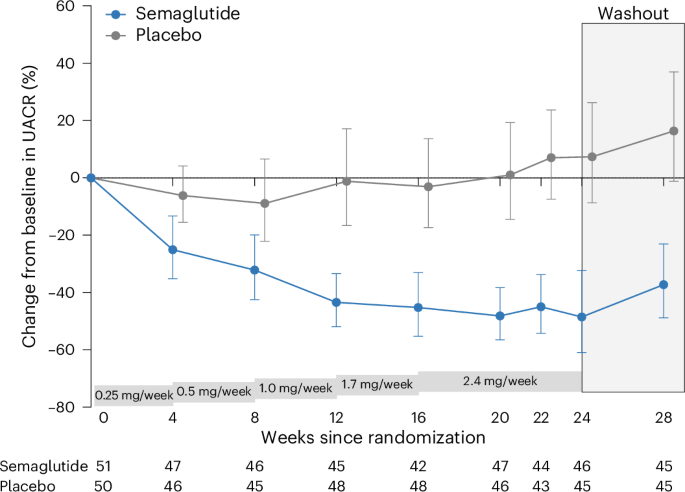
A new clinical trial called SMART found that semaglutide 2.4 mg, the dose used in Wegovy, reduced a key marker of kidney damage in adults with chronic kidney disease (CKD) who have overweight or obesity but not diabetes. The results were published October 25, 2024, in Nature Medicine [1][2].
The study enrolled 101 adults with CKD and a body mass index of at least 27. Participants were randomly assigned to receive weekly semaglutide injections or a placebo for 24 weeks, followed by a four-week period without treatment. The average age was about 56, and about 40% of participants were women [1]. The most common causes of their kidney disease were chronic glomerulonephritis and high blood pressure–related kidney damage [1].
The main measurement in the trial was urine albumin-to-creatinine ratio, or UACR, a test that estimates how much protein is leaking into urine — a sign of kidney damage. After 24 weeks, UACR dropped by about 48.6% in the semaglutide group, while it rose slightly, by about 7.4%, in the placebo group. After adjusting for the placebo group's change, semaglutide produced a 52.1% greater reduction in UACR compared with placebo, a difference researchers described as statistically strong [1][2].
People taking semaglutide also lost more weight than those on placebo, with a difference of about 9.1 kilograms (roughly 20 pounds) between the two groups. Waist circumference shrank by about 4.4 centimeters more with semaglutide, systolic blood pressure (the top number in a blood pressure reading) fell by about 6.3 points more, and a marker of inflammation called hs-CRP dropped as well [2]. However, the trial did not find a significant difference between groups in actual kidney filtering ability, measured either by a lab test called iohexol clearance or by standard eGFR calculations, nor in diastolic blood pressure [2].
Side effects were mostly digestive. Gastrointestinal problems such as nausea, diarrhea and constipation were reported more often in the semaglutide group (30 people) than in the placebo group (15 people) [1]. Overall rates of any adverse event were similar between groups — 75% with semaglutide versus 64% with placebo — and serious adverse events were uncommon and similar between groups, at 2% versus 4% [2]. Researchers said the safety pattern matched what has been seen in earlier semaglutide studies [2].
Why it matters for patients
Chronic kidney disease often occurs without diabetes, and until now most evidence for GLP-1 drugs helping the kidneys came from studies in people who also had type 2 diabetes, such as the FLOW trial, or from broader cardiovascular studies like SELECT [2]. This trial specifically tested people with CKD but no diabetes, a group that has had fewer treatment options tailored to their combination of obesity and kidney disease.
A drop in albuminuria matters because higher levels of protein in the urine are linked in other research to worse kidney and heart outcomes over time, according to background cited by the study authors [2]. Still, this trial ran only 24 weeks and used albuminuria as a proxy measure — it did not test whether people actually developed less kidney failure or fewer cardiovascular events over the long run. The researchers noted that actual kidney filtering rates did not differ significantly between groups during this short period [2], so what a reduction in albuminuria means for long-term kidney health in this specific population without diabetes is not yet established.
The study authors suggested their findings add to evidence that GLP-1 receptor agonists like semaglutide may work independently of, and possibly add to, the benefits of another kidney drug class called SGLT2 inhibitors [2]. What longer-term studies would show, and whether the FDA might expand approved uses for semaglutide based on this kind of evidence, is not addressed in these sources.
Sources
Semaglutides.org is for information only and is not medical advice. Always talk to a licensed healthcare provider about your own care. Some links to telehealth services are affiliate links, labeled where they appear.