England plans to limit Mounjaro to about 220,000 patients over three years
NHS England will phase in Mounjaro (tirzepatide) over up to 12 years, starting with about 220,000 of the roughly 3.4 million eligible patients — a rationing model with no equivalent in US drug coverage.
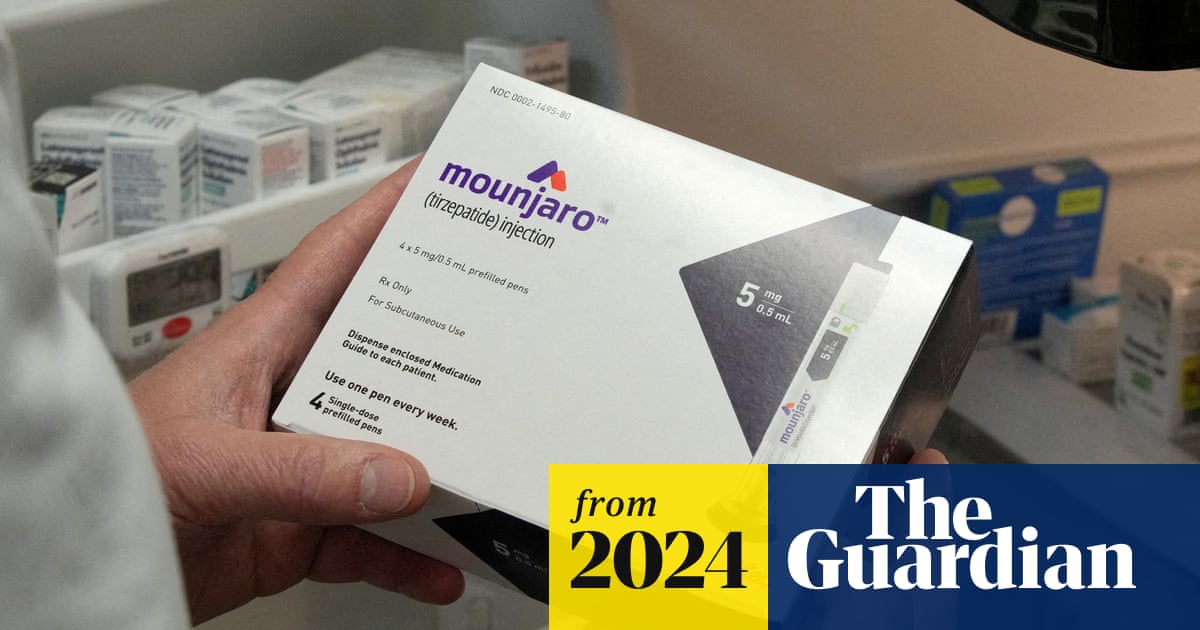
England's National Institute for Health and Care Excellence (NICE) has finalized guidance that will limit access to Mounjaro, the brand name for tirzepatide, to a small share of the patients who medically qualify for it [1][2]. The drug will be offered through the National Health Service starting in 2025, but only about 220,000 people will be treated in the first three years, even though roughly 3.4 million adults in England meet the clinical criteria [1][2].
NICE recommends tirzepatide for people with a body mass index above 35 who also have at least one weight-related illness [1]. That threshold alone would make millions eligible, but NHS England asked NICE to spread the rollout over as long as 12 years "in order to protect other vital NHS services," according to Prof. Jonathan Benger, NICE's chief medical officer [1]. NICE says it will review the plan again after the first three years and issue new guidance based on what officials learn from the initial phase [1].
Under the plan, the first patients to get access will be those already receiving care from specialist weight management services, who are expected to be able to start treatment within 90 days of the guidance's publication on December 23, 2024 [1]. NHS England is expected to develop a plan for which other groups of patients will be added over the following three years [1]. The drug is meant to be prescribed alongside a reduced-calorie diet and increased physical activity, not on its own [1].
Benger described the decision as difficult, saying NICE wanted to "help NHS England carefully manage the rollout of tirzepatide to ensure that other services are not impacted in a disproportionate way" [1]. He also noted that both tirzepatide and semaglutide, the molecule sold in the US as Ozempic, Wegovy and Rybelsus, are expected to help patients lose weight and reduce their risk of heart disease and stroke, but said tirzepatide "is not for everybody" and that many eligible patients will have to wait [1].
The scale of unmet demand is significant. The most recent Health Survey for England found 64% of adults were overweight or obese in 2022 [1]. Separately, Eli Lilly's Surmount-5 trial, cited in the reporting, found that patients on tirzepatide lost an average of 20.2% of body weight compared with 13.7% for those on semaglutide, a difference that has fueled interest in Mounjaro despite the rationing [1].
Why it matters for patients
This story describes a UK government rationing system that does not exist in the United States. The NHS is a single national payer, and NICE's guidance functions as a binding rule for what the health service will and will not pay for. In the US, coverage for tirzepatide, sold as Mounjaro for diabetes and Zepbound for weight management, is decided separately by each insurer, employer plan, or state Medicaid program, and by whether a patient has commercial insurance at all [1][2]. There is no single US agency phasing in access to GLP-1 drugs over 12 years the way NICE is doing in England.
Still, the underlying tension applies on both sides of the Atlantic: demand for GLP-1 medications for obesity far exceeds what health systems, whether public or private, are currently set up to supply. English officials chose to prioritize patients with the highest clinical need first, meaning a BMI over 35 plus a weight-related illness, while leaving millions of otherwise-eligible people waiting [1]. US patients face a parallel bottleneck through insurance prior authorization and formulary restrictions rather than government-set quotas, but the practical effect for many people is similar: not everyone who might benefit medically can get the drug right away [1][2].
What happens next
NICE's guidance took effect December 23, 2024, when the first specialist-service patients became eligible to start treatment within 90 days [1]. NHS England is expected to publish a plan for expanding access to additional patient groups over the following three years, after which NICE will formally review the rollout and issue updated guidance, with the option to continue phasing in access for up to 12 years total [1].
Images from the sources
Sources
Semaglutides.org is for information only and is not medical advice. Always talk to a licensed healthcare provider about your own care. Some links to telehealth services are affiliate links, labeled where they appear.