RFK Jr. softens on GLP-1s, saying they "have a place"
Trump's pick for health secretary told CNBC that GLP-1 drugs "have a place" after lifestyle changes, a softer line from a nominee who will oversee Medicare and Medicaid coverage decisions.
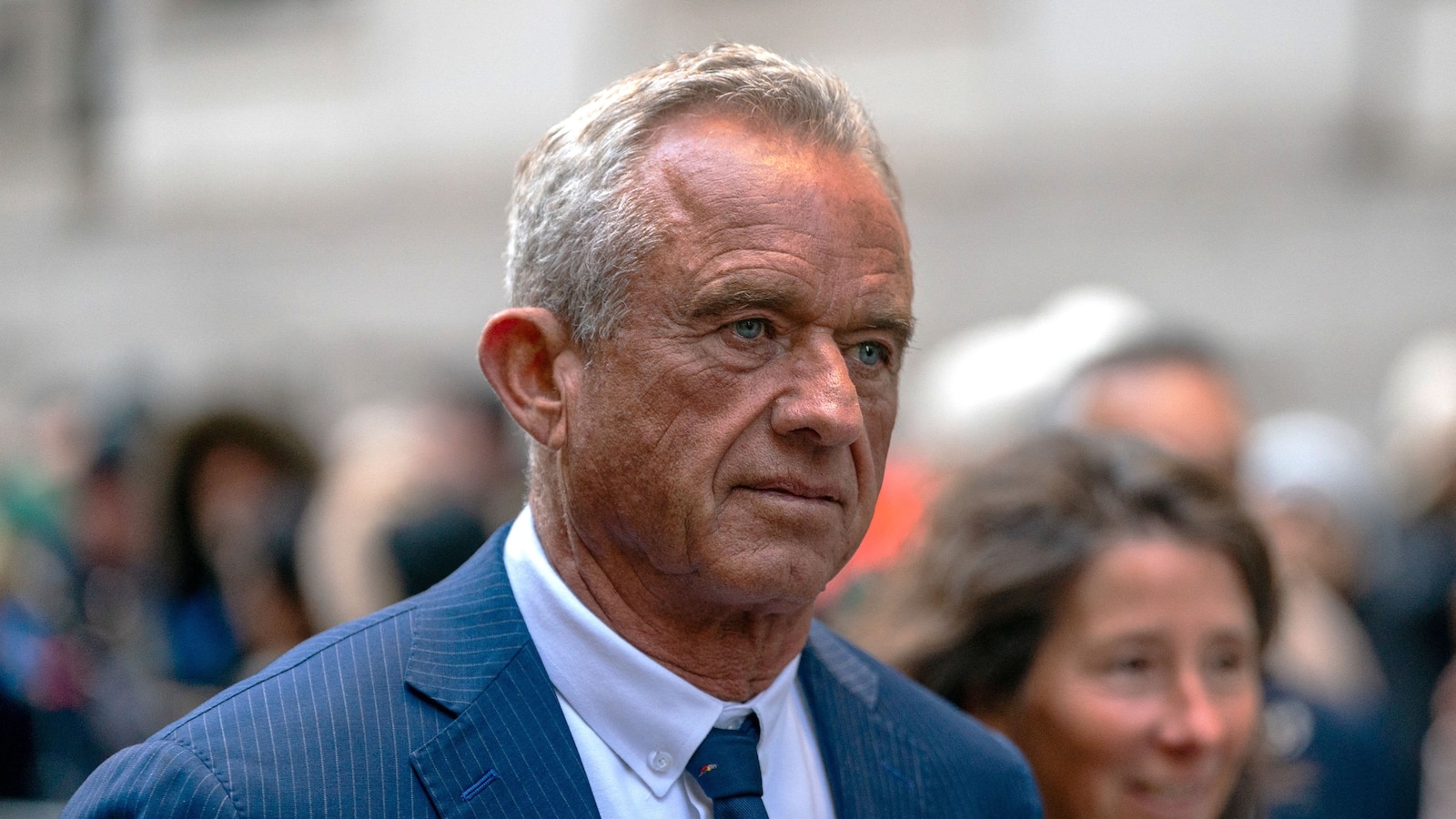
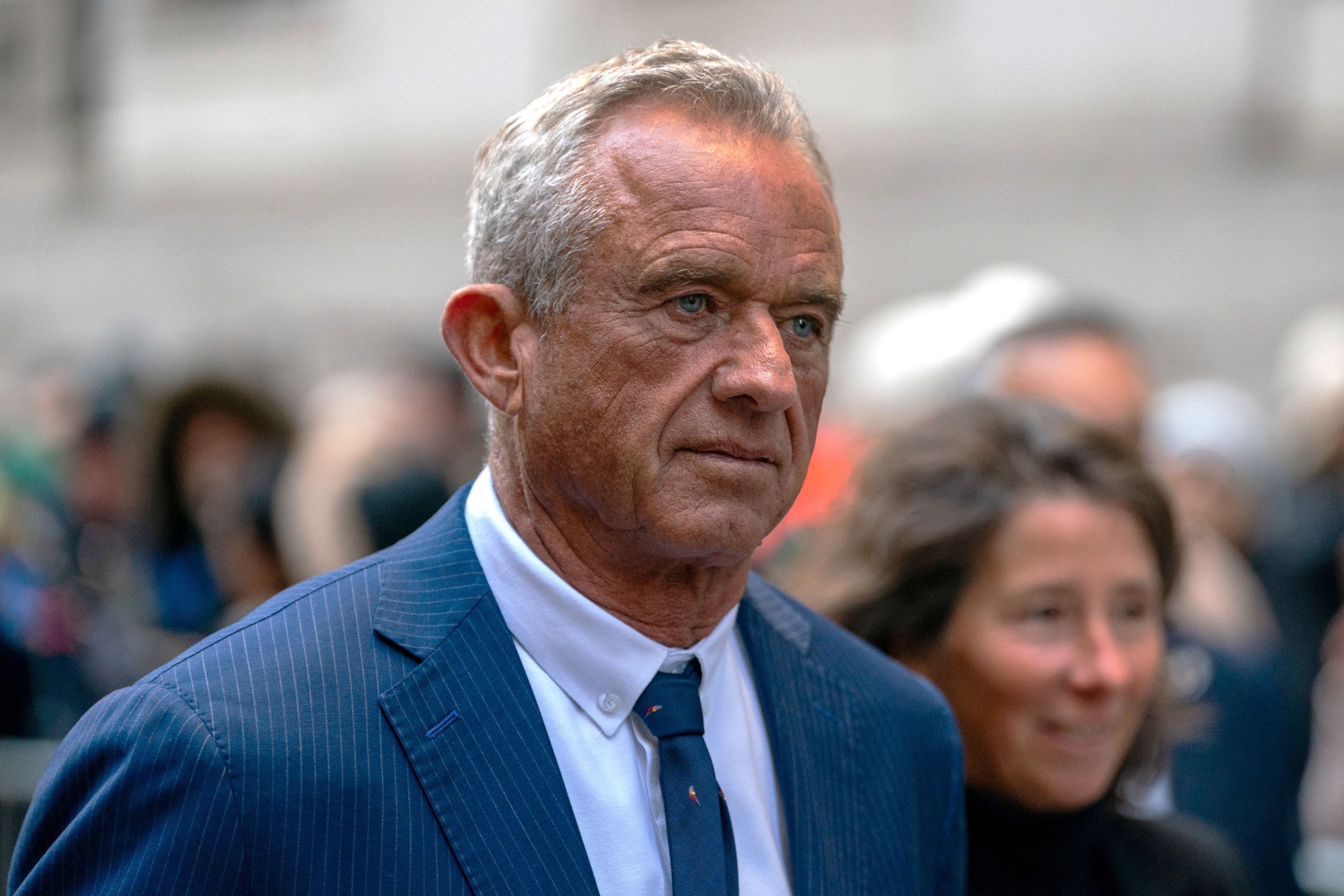
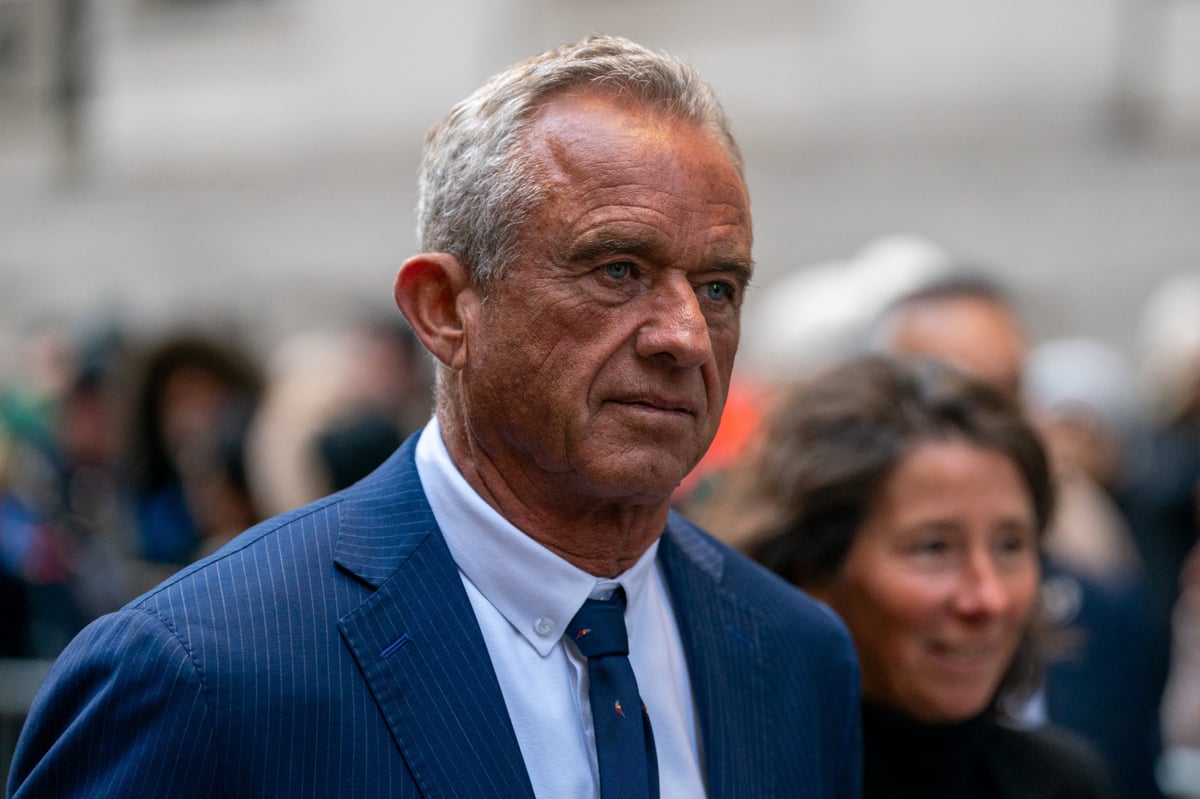
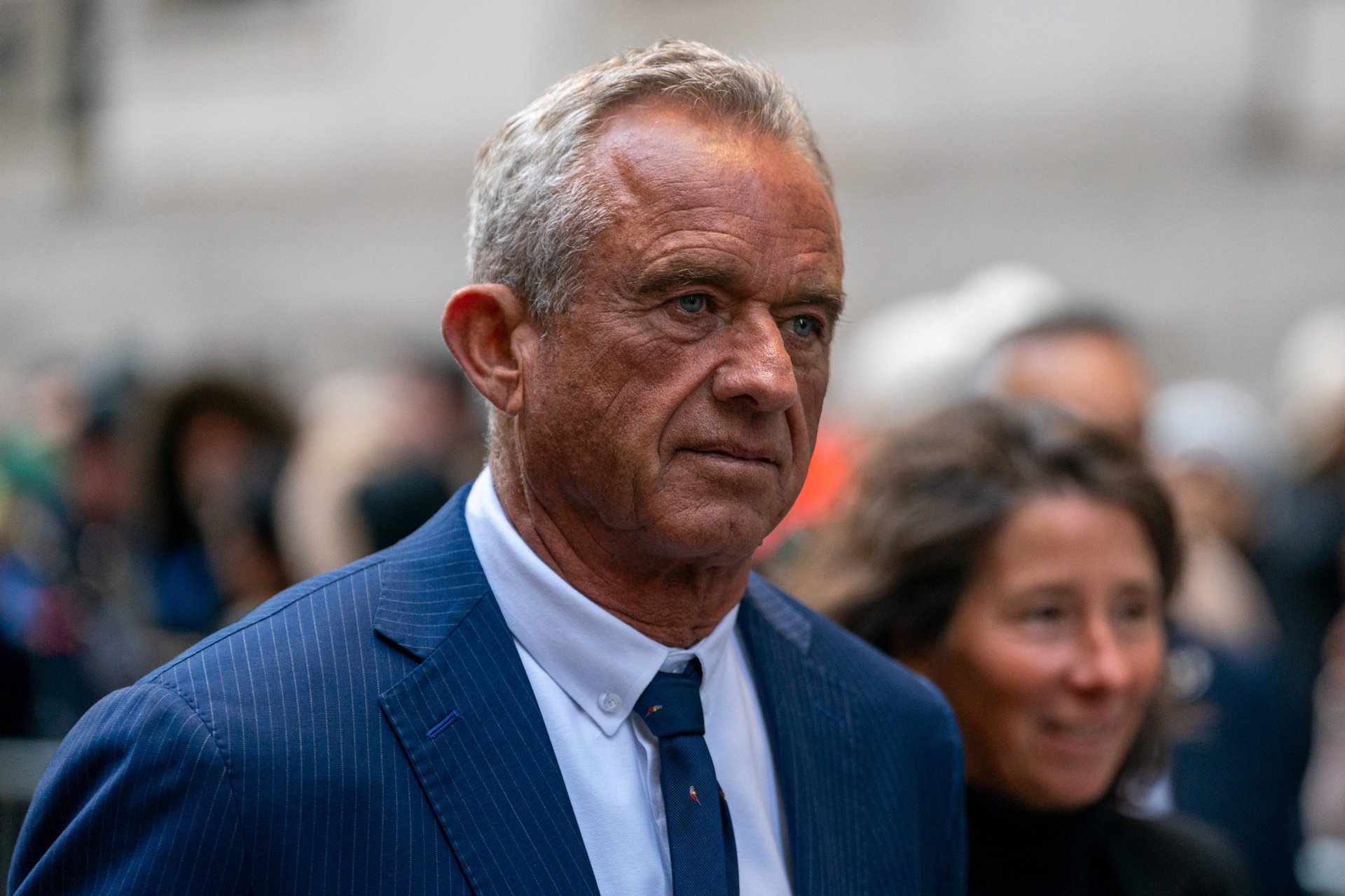
Robert F. Kennedy Jr., President-elect Donald Trump's nominee to lead the Department of Health and Human Services, said on Dec. 12, 2024, that obesity drugs that mimic the GLP-1 hormone "have a place" in treatment — his most permissive comment yet about a drug class he has sharply criticized [1][2].
Kennedy made the remark in a brief interview with CNBC's Jim Cramer, given off the floor of the New York Stock Exchange [1][2]. Asked how he felt about GLP-1 drugs, he said: "The first line of response should be lifestyle. It should be eating well, making sure that you don't get obese, and that those GLP drugs have a place" [1]. Quartz transcribed the second half slightly differently, as "making sure you that you don't get obese. Those GLP drugs have a place" [2]. The substance is the same in both accounts: lifestyle first, drugs still on the table.
That is a shift in tone. In October, before the election, Kennedy told Fox News: "If we just gave good food, three meals a day, to every man, woman and child in our country, we could solve the obesity and diabetes epidemic overnight" [2]. ABC News reported that obesity experts criticized that claim as overly simplistic [1].
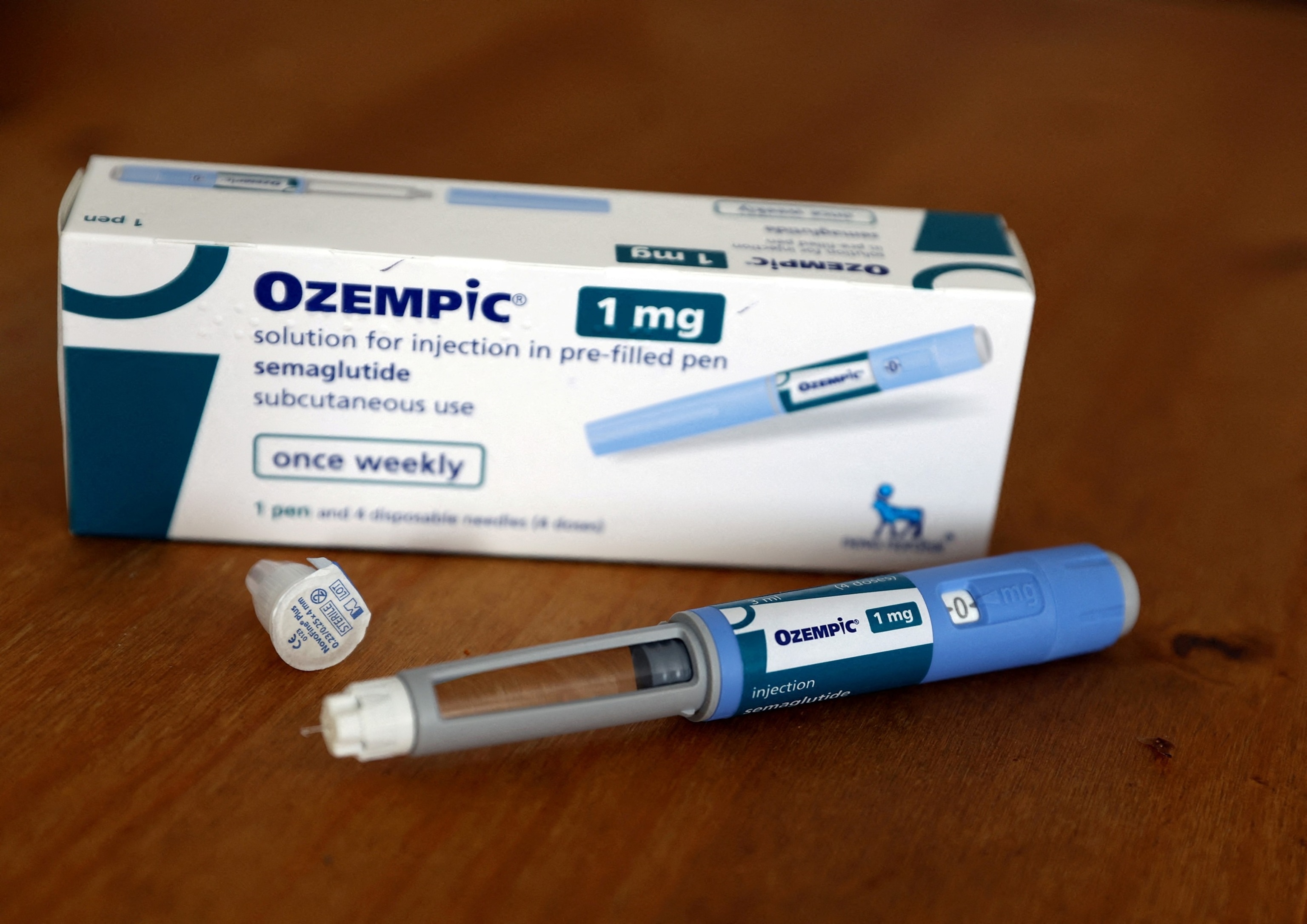
The comment came one day after Elon Musk, a Trump adviser and co-head of the new Department of Government Efficiency, posted on X that "nothing would do more to improve the health, lifespan and quality of life for Americans than making GLP inhibitors super low cost to the public. Nothing else is even close" [1][2]. ABC News described the two men's remarks as a likely relief for drugmakers [1]. Soaring demand for these medicines has made Novo Nordisk, which markets Ozempic and Wegovy (both semaglutide), and Eli Lilly, which markets Zepbound (tirzepatide), the largest pharmaceutical companies in the world [2].
The coverage question is still open
What Kennedy's comment does not settle is money. ABC News reported that it remains in question how the incoming administration will handle coverage of these drugs through Medicare and Medicaid, or how it will regulate private insurance [1].
The Biden administration has called for Medicare and Medicaid to cover weight-loss drugs for people with obesity, not only as a diabetes treatment [1]. Because that rule would not take effect until 2026, carrying it out falls to the incoming administration [1]. The Congressional Budget Office estimates that expanding anti-obesity drug coverage in Medicare alone would raise federal spending by about $35 billion from 2026 through 2034 [1].
Calley Means, a top Kennedy adviser, has criticized the Biden proposal for embracing weight-loss drugs rather than pushing lifestyle changes, and has suggested the incoming administration pursue "benefit flexibility where patients can work with their doctors on the best solution to reverse obesity for them," including "lifestyle coaching, food interventions, or, in some cases, drugs" [1]. Means also said the government should ensure US prices mirror European costs [1]. In a post on Dec. 12, he wrote: "The problem isn't that Ozempic exists. It is the fact that this Danish company has been able to pay US regulators, media, and lawmakers to force this drug down our throats as the only option" [1].
Why it matters for patients
For people taking or considering semaglutide or tirzepatide, the practical issue is not whether the drugs stay legal — nothing in these sources suggests any move to pull them from the market. ABC News framed Kennedy's comment as the strongest signal yet that he would not necessarily try to block access [1].
The real variable is who pays. Medicare and Medicaid coverage for obesity, as opposed to diabetes, hinges on a rule the next administration has to implement, and the cost estimate attached to it is large [1]. The adviser language about "benefit flexibility" and coverage that includes coaching and food alongside drugs points toward a possible model in which medication is one option among several rather than an automatic benefit [1]. How that would work in practice, and whether it would add steps before a prescription is covered, is not spelled out in these sources.
What happens next
Kennedy's remarks came days before scheduled confirmation meetings with Republican senators [1]. His nomination requires Senate confirmation, and no vote date is given in these sources. The Biden-era Medicare and Medicaid coverage proposal is scheduled to begin in 2026, leaving the decision to the new administration [1]. Whether it proceeds, is narrowed, or is dropped is not yet known.
Images from the sources
Sources
Semaglutides.org is for information only and is not medical advice. Always talk to a licensed healthcare provider about your own care. Some links to telehealth services are affiliate links, labeled where they appear.