Lilly warns on 2024 revenue and has its worst trading day since 2021
Eli Lilly's stock fell 8% after the company said fourth-quarter Zepbound and Mounjaro sales would miss forecasts, raising questions about how fast the obesity-drug boom will keep growing.
Eli Lilly warned investors on January 14 that its fourth-quarter 2024 sales of the weight-loss and diabetes drugs Mounjaro and Zepbound would come in below Wall Street's expectations, triggering the company's worst single trading day since 2021 [2]. Shares dropped 8% to $739.23, and shares of rival Novo Nordisk, which makes Wegovy and Ozempic, also fell about 3.5% [2].
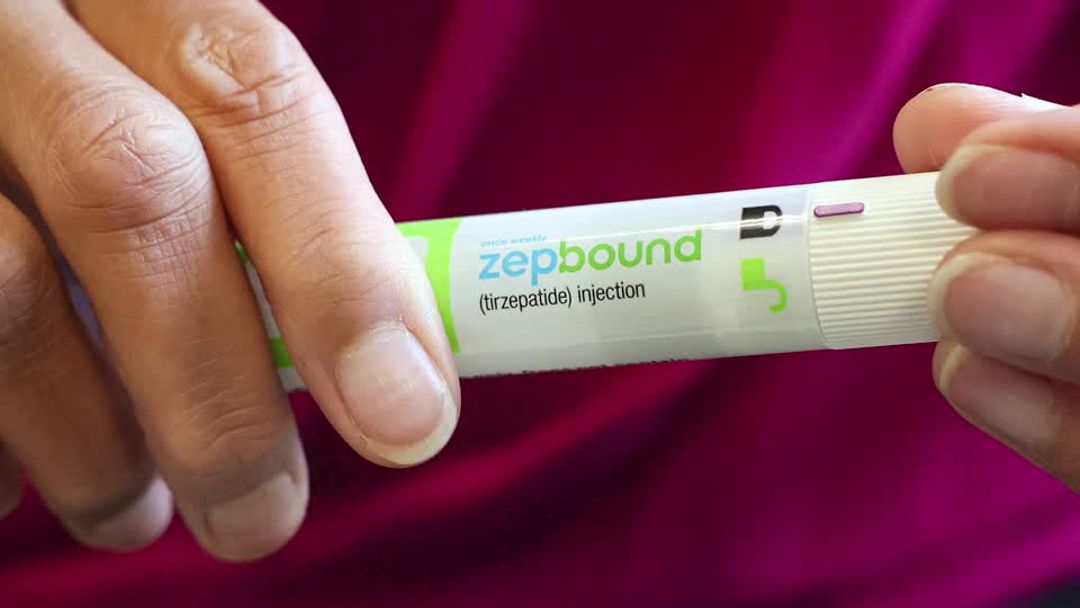
The pre-announcement came ahead of the J.P. Morgan healthcare conference, where Lilly executives spoke publicly about the results. Lilly said it now expects about $3.5 billion in Mounjaro sales and $1.9 billion in Zepbound sales for the fourth quarter, well short of analyst estimates of $5.35 billion and $2.08 billion, respectively, according to data compiled by LSEG [2]. Overall, the company expects fourth-quarter 2024 revenue of about $13.5 billion, roughly $400 million below the low end of its own guidance issued in October [1].
For the full year 2024, Lilly still expects revenue of about $45 billion, up 32% from the prior year and $4 billion above the midpoint of its original guidance [1]. Non-incretin products, including cancer, immunology and neuroscience drugs, grew 20% in the fourth quarter [1]. But the incretin business—the class of drugs that includes Mounjaro, Zepbound, Trulicity, semaglutide and liraglutide—did not accelerate as fast as Lilly had projected [1].
Lilly CEO David Ricks said the U.S. incretin market actually grew 45% compared with the same quarter a year earlier, but the company's prior guidance had assumed even faster growth [1]. Chief Financial Officer Lucas Montarce said the shortfall also reflected wholesalers' buying patterns: in past years, distributors built up extra inventory of these drugs before year-end, but this year, with all doses in steady supply, they did not do so, leaving inventory levels flat compared with the third quarter [2]. This was the second consecutive quarter Zepbound sales disappointed since its late-2023 launch, following a similar miss in October [2].
Looking ahead, Lilly set 2025 revenue guidance of $58 billion to $61 billion, representing 32% growth at the midpoint compared with expected 2024 revenue [1]. The midpoint is actually above analysts' consensus estimate of $58.52 billion, and Lilly said the guidance accounts for planned incretin market and channel dynamics [1] [2]. The company also said it expects to produce at least 60% more salable doses of incretin drugs in the first half of 2025 compared with the same period in 2024, as new manufacturing capacity comes online [1]. Growth is also expected to come from Mounjaro launches in additional countries, including plans to bring the drug to China, India, Brazil and Mexico sometime in 2025, though Lilly did not specify exact timing for each market [2].
Analysts offered mixed reactions. BMO Capital Markets analyst Evan Seigerman said the miss was "likely less a shock to investors but may still shake some confidence in incretin demand" [2]. Bernstein analyst Courtney Breen said the downbeat forecast shows Lilly needs to take steps to stimulate further demand for its drugs [2].
Why it matters for patients
This news is about Lilly's finances, not about drug safety or effectiveness. But sales and supply numbers can affect patients indirectly. Lilly said supply across all doses of tirzepatide, the active ingredient in Mounjaro and Zepbound, was available throughout the fourth quarter [1], which is different from earlier periods when shortages limited access. The company's plan to sharply increase manufacturing capacity in 2025 could mean more consistent supply for patients trying to fill prescriptions [1]. At the same time, slower-than-expected sales growth suggests the market for these drugs, while still expanding, may not be growing as fast as some forecasts assumed, which could shape how aggressively the company prices, markets or expands access to the drugs going forward.
What happens next
Lilly said it plans to release full fourth-quarter 2024 financial results and additional 2025 guidance details on February 6, 2025 [1].
Images from the sources
Sources
Semaglutides.org is for information only and is not medical advice. Always talk to a licensed healthcare provider about your own care. Some links to telehealth services are affiliate links, labeled where they appear.