Charles Barkley becomes a GLP-1 ambassador for telehealth company Ro
Barkley's deal with Ro puts a famous face on a familiar pattern: losing weight on a GLP-1 drug, quitting when the prescription is hard to fill, and gaining the weight back.
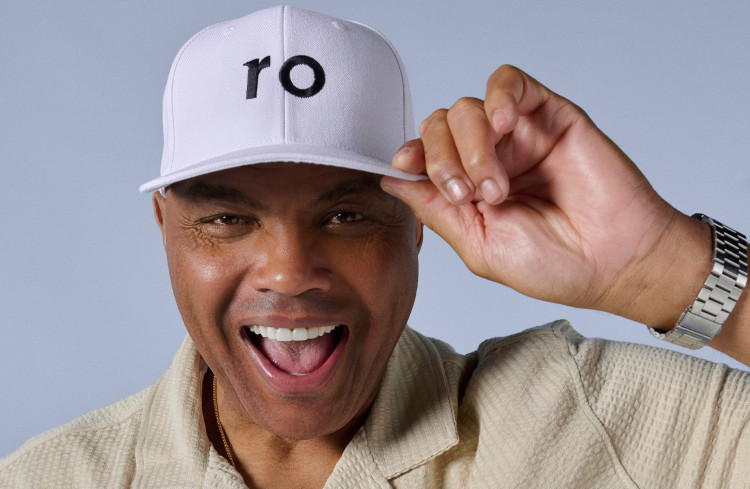
Charles Barkley, the NBA Hall of Famer turned broadcaster, is now a GLP-1 celebrity ambassador for the telehealth company Ro, the company said on April 29, 2025 [1][2]. He is beginning weight-loss treatment through Ro again after an earlier round with a GLP-1 medication ended and his weight climbed back up [1][2].
According to the announcement, Barkley dropped close to 50 pounds after starting a GLP-1 drug, then had trouble remaining on it amid supply shortages and access problems, and eventually quit [1][2]. Much of that weight returned over time, Ro said [1][2]. The release does not name the specific GLP-1 medication he used, and it does not say what he is taking now [1][2].
"I know GLP-1s work — I've seen it for myself," Barkley said in the announcement. "The hard part was getting the medication when I needed it" [1][2].
Zach Reitano, co-founder and CEO of Ro, said Barkley's experience reflects how weight loss often unfolds. "Chuck's story is a reminder that weight loss isn't always linear, but with the right support, it's possible to overcome any setbacks," he said [1][2].
Under the partnership, Barkley will appear in a set of advertisements for Ro's GLP-1 offering [1][2]. Ro said the spots highlight how its digital service works, including the option to check insurance coverage at no charge before signing up [1][2]. The company did not disclose what it is paying Barkley [1][2].
Ro also said it will team up with Barkley's newly formed production company, Round Mound Media, on obesity-education projects. Over the coming years, the two plan to raise awareness about GLP-1 medications, give updates on Barkley's own treatment, and reach communities that have historically had less access to health care [1][2].
Ro describes itself as a direct-to-patient telehealth company that offers telehealth visits, lab work and pharmacy services nationwide. It says it has served millions of patients since 2017, including residents of 98% of U.S. primary care deserts [1][2].
Why it matters for patients
Barkley's account matches what many people taking GLP-1 drugs describe: weight comes off while on treatment, a gap follows, and pounds return. In his case, the stated obstacle was getting the medication, not a belief that it stopped working [1][2].
The announcement is a company marketing statement, so it contains no clinical trial results, no dosing information, and no details about his current prescription or medical care [1][2]. It describes one person's experience, and the ads promote a business that sells access to those prescriptions [1][2].
One practical detail mentioned is the free insurance coverage check before enrolling [1][2]. What treatment actually costs, whether insurance pays for it, and how ongoing support from providers is delivered are not spelled out [1][2].
Nothing in the announcement covers what patients should expect if supply problems return, or what happens when someone stops a GLP-1 drug. Those questions have not been addressed [1][2].
What happens next
Ro said the advertising campaign is part of the partnership, with educational work planned over the coming years [1][2].
No start date has been given for the ads, no release dates have been set for the Round Mound Media projects, and there is no word on how long Barkley intends to stay on treatment with Ro [1][2].
Sources
Semaglutides.org provides information only, not medical advice. Talk to a licensed provider about your own care before making changes. Some telehealth links are affiliate links and are labeled where they appear.