The administration drops the plan to have Medicare cover obesity drugs
On April 4, 2025, CMS declined to finalize a Biden-era rule that would have opened Medicare Part D and Medicaid to weight-loss drugs like Wegovy and Zepbound, saying it was "not appropriate at this time."
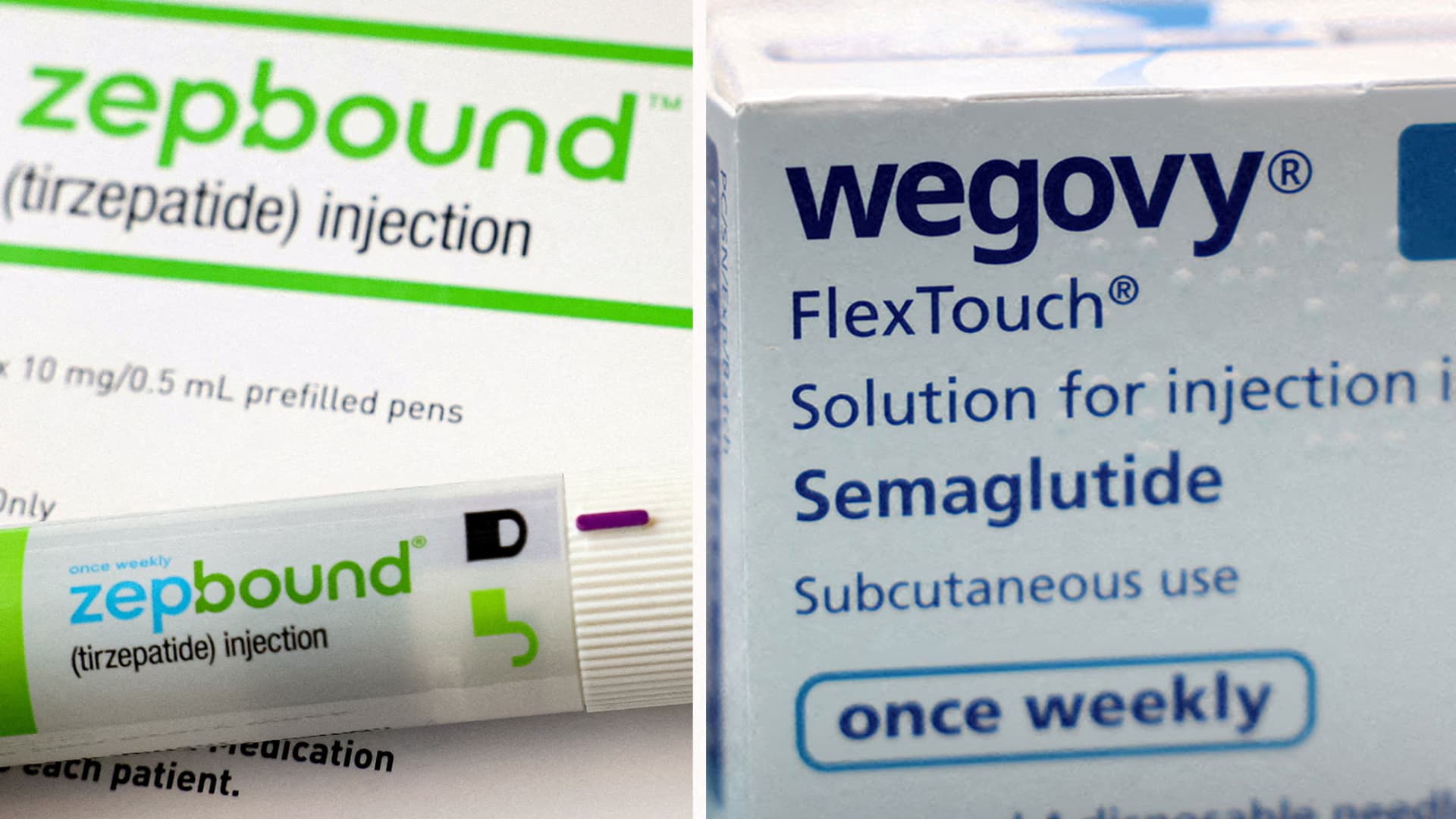
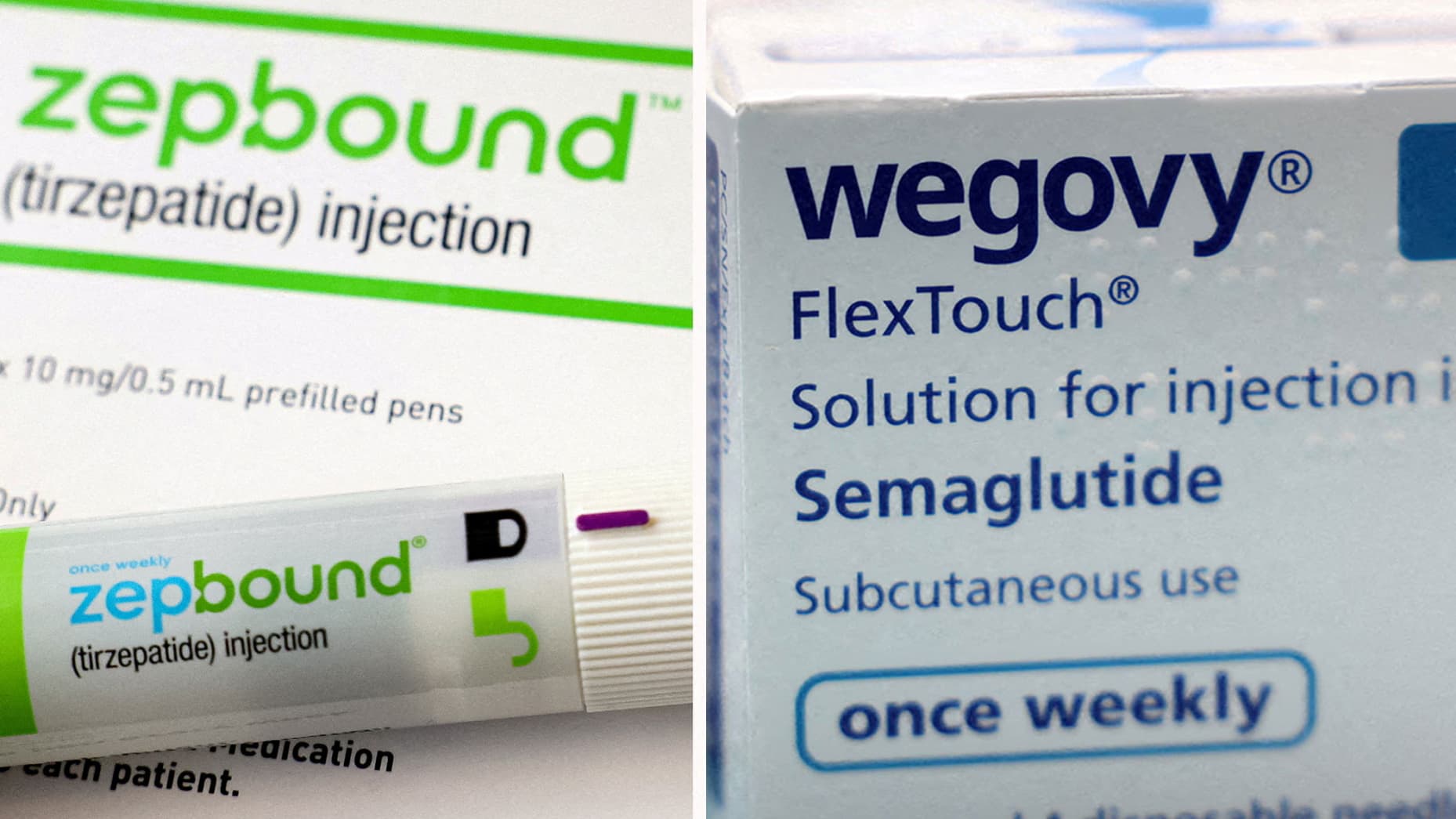
The Trump administration on Friday, April 4, 2025, declined to finalize a Biden administration proposal that would have allowed Medicare and Medicaid to cover GLP-1 medications prescribed for obesity, including Novo Nordisk's Wegovy (semaglutide) and Eli Lilly's Zepbound (tirzepatide) [1][2]. The Centers for Medicare & Medicaid Services said expanding that coverage is "not appropriate at this time," but left the door open to revisiting it [2].
The proposal, floated in November 2024, would have reinterpreted a long-standing rule that has kept weight-loss drugs out of Medicare Part D. Under the plan, people with a body mass index of 30 or higher — the clinical threshold for obesity — would have qualified [1]. CMS estimated when it proposed the rule that more than 7 million people would have gained coverage [2].
The price tag was the sticking point
Wegovy and Zepbound each cost roughly $1,000 a month before insurance and rebates [1]. CMS estimated that covering anti-obesity medications would cost Medicare $25 billion and Medicaid $15 billion over 10 years [2]. A separate congressional analysis put the cost at about $35 billion over nine years [1]. The two figures come from different analyses with different time frames and program scopes, so they are not directly comparable.
CMS also noted in its own framing of the issue that the drugs do not cure obesity and that most patients need to keep taking them to keep weight off [2] — a point that drives the long-term cost math for any public program.
Health and Human Services Secretary Robert F. Kennedy Jr. has been publicly critical of GLP-1 drugs, arguing that obesity should be addressed through better diets and more exercise [2]. In an October Fox News interview, Kennedy said pharmaceutical companies are counting on selling the drugs to Americans because "we're so stupid and so addicted to drugs" [2].
The decision landed one day after the Senate confirmed Dr. Mehmet Oz to run CMS [2]. Oz has spoken favorably about the drugs in the past; in a 2023 Instagram post he wrote that "for those who want to lose a few pounds, Ozempic and other semaglutide medications can be a big help" [2].
Investors reacted quickly. Eli Lilly shares fell more than 2% in extended trading and Novo Nordisk's stock dropped more than 1% [1]. Neither company immediately responded to requests for comment [1].
Why it matters for patients
For people on Medicare, the practical effect is that the status quo continues. Medicare Part D generally does not pay for drugs used for weight loss alone, and this decision means that did not change in 2025 [1][2]. Many private health plans also exclude weight-loss treatment, and patients without coverage face list prices near $1,000 a month [1].
There is an important exception. Medicare already covers these medications when they are prescribed for other approved conditions — Politico notes coverage for diabetes and heart disease [2], and CNBC reports that some people may already get coverage through Medicare or Medicaid if they have diabetes or are at risk for stroke or heart disease [1]. So a person's coverage can hinge on which diagnosis is on the prescription, not on the molecule itself.
Medicaid is a separate story. States have latitude over whether their Medicaid programs cover anti-obesity medications, and the dropped rule would have pushed toward broader coverage. Because the rule was not finalized, coverage remains a patchwork that varies by state; the sources here do not break down which states cover what.
What this decision did not do is change FDA approvals, prescribing, or what the drugs are labeled to treat. It is a payment decision, not a safety or efficacy one.
What happens next
CMS said it may reconsider coverage of anti-obesity medications in the future, according to a fact sheet on the final rule [1]. An agency spokesperson said CMS may take up the question again after further review of the drugs' costs and benefits [2]. No timeline or specific criteria for that review were announced in these sources.
One more thing worth flagging: the rule that was dropped was proposed in November 2024 and simply never finalized before the change in administrations [1]. That means a future administration — or this one — could revive the same interpretation without new legislation from Congress, though whether that happens is not yet known.
Images from the sources
Sources
Semaglutides.org is for information only and is not medical advice. Always talk to a licensed healthcare provider about your own care. Some links to telehealth services are affiliate links, labeled where they appear.