CVS Caremark announces it will drop Zepbound from its standard commercial formularies
CVS Caremark made Wegovy its preferred weight-loss GLP-1 and dropped Zepbound from standard formularies as of July 1, 2025, forcing many covered patients to switch drugs or seek an exception.
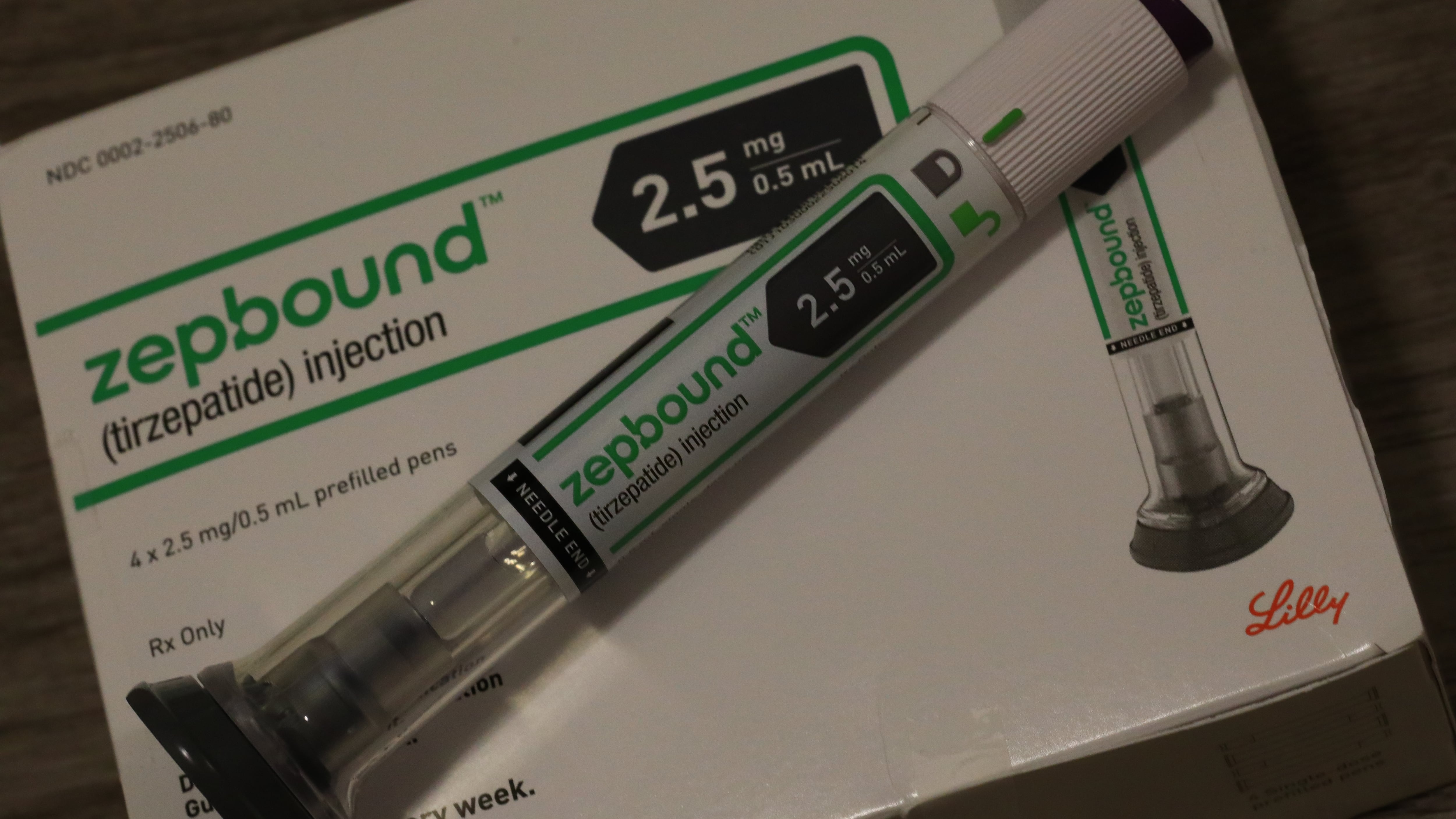
CVS Caremark, one of the country's three largest pharmacy benefit managers, announced on May 1, 2025 that tirzepatide sold for obesity as Zepbound would be removed from its standard preferred formulary effective July 1, 2025, with semaglutide sold as Wegovy named the preferred obesity treatment in its place [3]. The change followed a rebate deal with Novo Nordisk, and CVS told clients it would save employer customers 10% to 15% compared with the prior year [2].
The decision applies only to the obesity indication. Tirzepatide remains available under the Mounjaro brand for people with type 2 diabetes [3]. CVS Caremark manages prescription benefits for more than 25 million to 30 million Americans, so the switch could touch tens of millions of people, though not every employer client uses the standard template [3].
What the change looks like at the pharmacy
Massachusetts' Group Insurance Commission, whose non-Medicare plans are administered by CVS Caremark, published one of the clearest public explanations of the mechanics [1]. Members with an active prior authorization for Zepbound did not need a new one to move to Wegovy; existing overrides were transitioned automatically, and a new prior authorization for Wegovy is required only when the old Zepbound approval reaches its original end date [1].
Patients who want to stay on tirzepatide can ask for a formulary exception, but only a prescriber can submit the clinical documentation [1]. Reviewers look at whether the member already filled a Wegovy prescription and, if so, whether there was an inadequate response or an intolerance, backed by chart notes or a letter of medical necessity [1]. If an exception is approved, Zepbound is billed at the tier 3 copay, while Mounjaro stays at tier 2 [1]. If it is denied, a member can still fill Zepbound but pays the full cost [1]. CVS also removed Zepbound coverage for obstructive sleep apnea, arguing the benefit comes from weight loss itself, so all members regardless of indication must try Wegovy first [1].
For people paying cash, Eli Lilly's LillyDirect program listed Zepbound single-dose vials at $499 a month, against list prices for these drugs that can exceed $1,000 a month [2].
The clinical dispute
CVS said the two drugs are comparable in everyday use, and the Massachusetts commission wrote that while controlled trials may show Zepbound to be more effective for weight loss, "real world evidence suggests that they are comparable in actual use" [1]. Two studies — one funded by Lilly and one independent — found greater weight loss with tirzepatide than with semaglutide [2], and a head-to-head trial showed Zepbound outperformed Wegovy [4]. The sources disagree on how much that gap matters in practice; CVS emphasizes reaching and holding a healthier weight rather than maximum weight loss [1].
One difference is not disputed: semaglutide (Wegovy) is the only drug in the class with FDA approval to reduce the risk of major cardiovascular events in adults with established heart disease, while cardiovascular outcome data for tirzepatide are still under investigation [1].
Why it matters for patients
If your employer or plan uses a CVS Caremark standard formulary, the drug your doctor chose may no longer be the one your insurance pays for, and the switch happened mid-plan-year. Massachusetts told members that a formulary change is not a qualifying event, so they could not switch health plans or drop coverage in response [1]. Dosing across the two drugs is not interchangeable; both require step-up titration, and the commission noted that clinical data on direct transitions is limited, leaving the starting Wegovy dose to the prescriber [1].
The shift appears to be moving real prescriptions. Truveta found that from June to July 2025, prescribing rates for obesity semaglutide rose 0.1 percentage points — its largest one-month gain in the study period — while obesity tirzepatide grew only 0.03 points, down from a 0.06-point monthly average [3]. First-time tirzepatide prescriptions for obesity fell slightly, the first monthly drop in nearly a year, as first-time semaglutide prescriptions rose 4.9% [3]. Truveta cautioned it did not test causality or look at payer data [3].
Markets reacted too: Lilly shares closed down nearly 12% after the news, even though first-quarter revenue rose 45%, with Zepbound sales quadrupling to $2.31 billion and Mounjaro more than doubling to $3.84 billion [4]. CEO David Ricks said he was "not surprised" and that Lilly is "not interested at all in one of one deals" [4]. Novo Nordisk said it did not ask CVS to block its competitor [2].
Whether other large PBMs follow is not yet known from these sources. Separately, Blue Cross Blue Shield of Massachusetts planned to stop covering GLP-1s for weight loss entirely, keeping them only for type 2 diabetes [2].
Images from the sources

Sources
- https://www.mass.gov/news/cvs-caremark-decides-to-remove-zepbound-from-cvs-caremark-formulary
- https://www.boston25news.com/news/trending/cvs-caremark-drops-zepbound-coverage-wegovy-weight-loss/IFA5HJCSBNDOXE6OGTNNI3C45Y/
- https://www.truveta.com/blog/research/research-insights/impact-of-the-cvs-glp-1-formulary-change-trends-in-prescribing/
- https://pharmaphorum.com/news/lilly-hit-pbm-drops-zepbound-retains-wegovy
Semaglutides.org is for information only and is not medical advice. Always talk to a licensed healthcare provider about your own care. Some links to telehealth services are affiliate links, labeled where they appear.