Wellness companies pivot to weight-loss drugs to avoid WeightWatchers' fate
WeightWatchers went bankrupt as GLP-1 drugs reshaped weight management, and rivals like Noom, Hims & Hers, and supplement chains are now racing to build businesses around the same medicines.
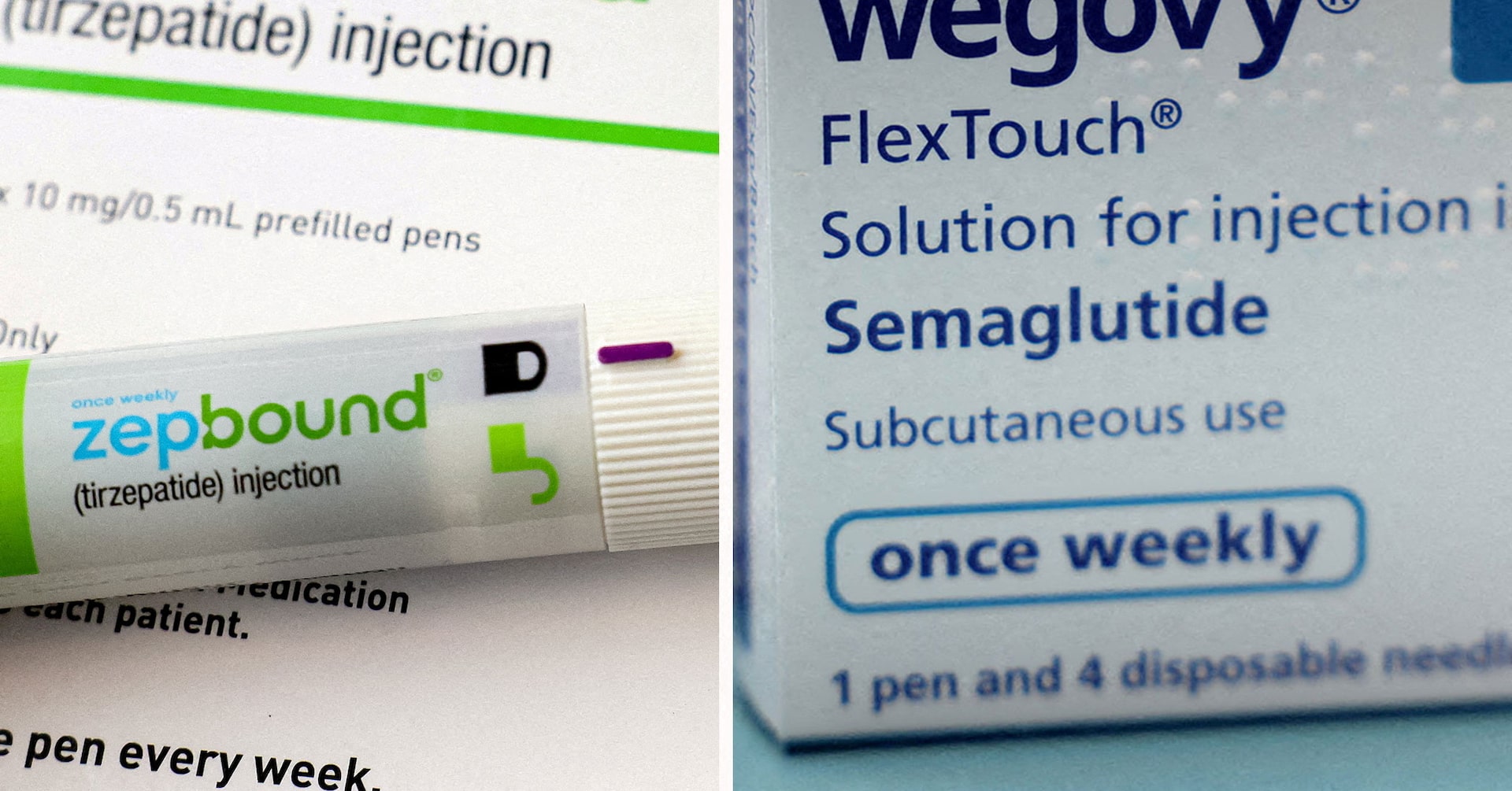
Health and wellness companies are restructuring around GLP-1 weight-loss drugs after WeightWatchers filed for bankruptcy on May 6, citing a sharp drop in demand for its traditional program as Americans turned to the new medicines [1]. WeightWatchers has an agreement with creditors to restructure its debt and exit bankruptcy court quickly [1].
The shift is already visible across the industry. Telehealth companies Noom and Eden both run weight-focused platforms that pair coaching with prescriptions for the drugs, an approach WeightWatchers struggled to match [1]. At Noom, clinical subscriptions that give people access to clinicians and prescription drugs make up more than half of company revenue, according to CEO Geoff Cook [1]. At rival Hims & Hers, compounded weight-loss drugs accounted for 20% of revenue last year [1]. WeightWatchers itself relied partly on similar sales even before its filing [1].
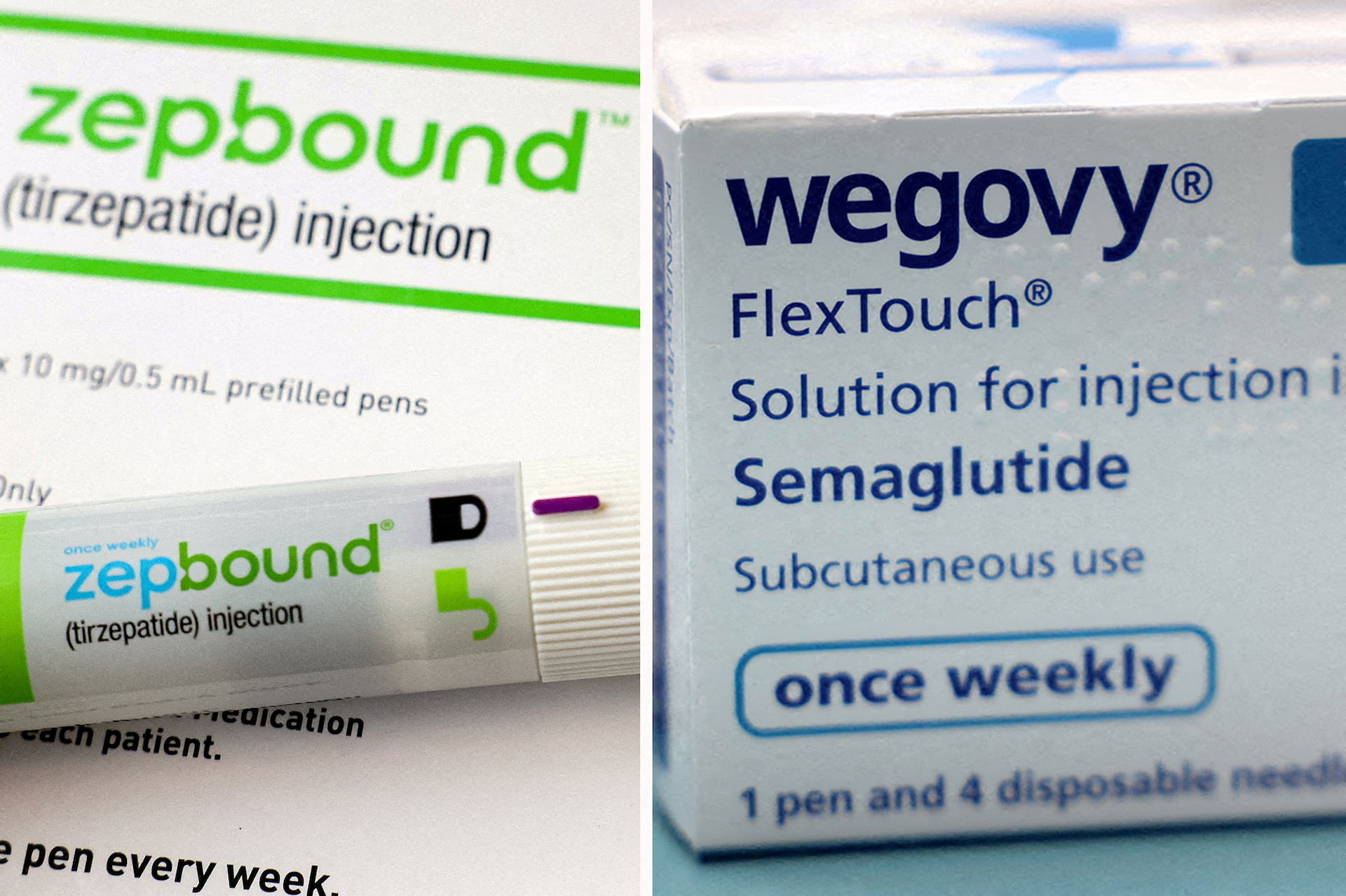
The drugs, a class of digestion-slowing medicines called GLP-1 agonists, can cut a person's weight by 15% to 20%, according to Reuters, whether from brand-name products like Novo Nordisk's Wegovy and Eli Lilly's Zepbound or from copies sold by pharmacies [1]. That demand has already dented sales at some large companies, including Walmart's food business [1]. Some analysts forecast the drug class could generate $150 billion a year in sales within a decade [1].
Other retailers are building products around side effects and companion needs rather than competing directly with the drugmakers. The Vitamin Shoppe said sales of a set of supplements marketed to people on GLP-1 drugs jumped more than 20% from a year earlier, as customers sought help with appetite loss and decreased muscle tone, according to president Muriel Gonzalez [1]. The chain also launched a telehealth service last year, Whole Health Rx, connecting customers with providers who can prescribe the drugs and recommend supplements such as protein, fiber and multivitamins [1]. Supplement seller GNC added a store section aimed at GLP-1 users, selling protein powder and fiber [1].
Why it matters for patients
For people already taking or considering semaglutide or tirzepatide, this shift means more companies competing to sell coaching, supplements and telehealth access built around the drugs, not just the medicines themselves. WeightWatchers has cited an internal study finding its clinic patients on GLP-1 drugs lost 21% of their weight, then lost another 2% over 13 weeks after moving to its behavioral program [1] — a claim from the company itself, not an independent study described in the sources.
At the same time, the FDA is blocking sales of cheaper compounded versions of Wegovy, Zepbound, Ozempic and Mounjaro now that the brand-name drugs are no longer listed as in shortage [1]. Morningstar healthcare analyst Karen Andersen said losing that compounded-drug revenue is a real problem for telehealth companies, since selling cheaper versions had been a major profit driver [1]. That regulatory shift could affect price and availability for patients who had been getting compounded versions through these platforms.
What happens next
Andersen said one path forward for wellness and telehealth companies is partnering directly with brand-name drugmakers like Novo Nordisk, since those companies want partners with existing access to patients [1]. She cautioned that such partnerships between competitors will not be simple to arrange, calling it "a rocky path" [1]. WeightWatchers has said the GLP-1 drugs are now a growing and essential part of its own business as it works through bankruptcy proceedings [1].
Images from the sources
Sources
Semaglutides.org is for information only and is not medical advice. Always talk to a licensed healthcare provider about your own care. Some links to telehealth services are affiliate links, labeled where they appear.