ADJUST-T1D: first randomized evidence for semaglutide in type 1 diabetes
A 72-person randomized trial found that once-weekly semaglutide helped adults with type 1 diabetes and obesity hit combined blood sugar and weight targets that no one on placebo reached — but the drug still is not approved for type 1 diabetes.
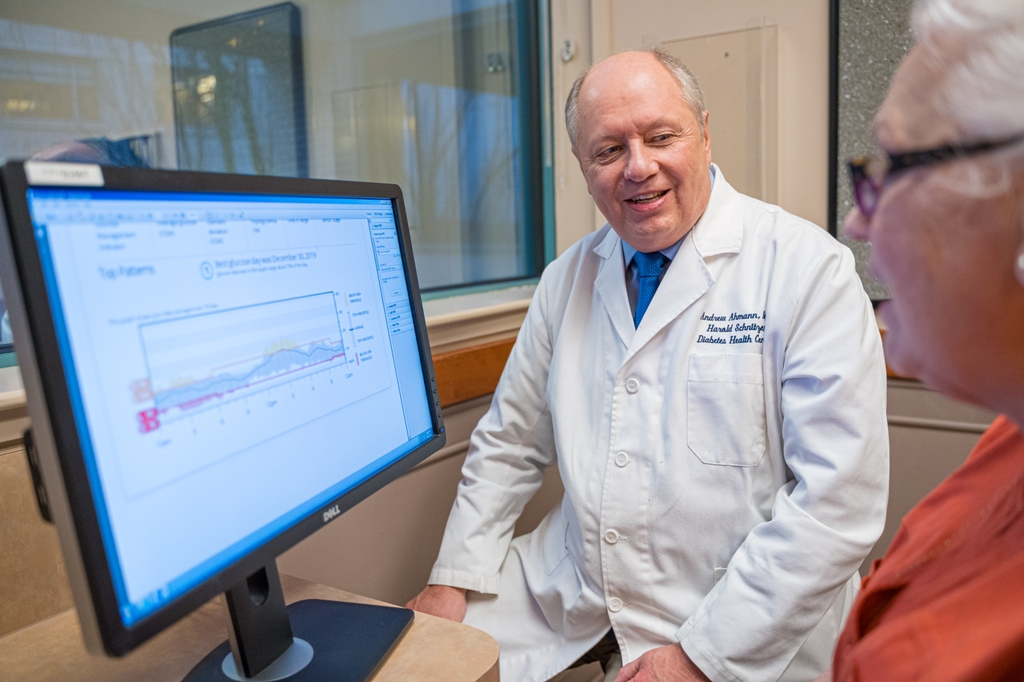
Researchers reported the first randomized trial evidence that semaglutide can help adults with type 1 diabetes and obesity, publishing results from the ADJUST-T1D study in NEJM Evidence on June 23, 2025 [1][2]. In the 26-week trial, 36% of participants taking semaglutide met a three-part goal combining blood sugar time in range, limited low blood sugar and at least 5% weight loss, compared with 0% on placebo [1].
What the trial tested
ADJUST-T1D enrolled 72 adults with type 1 diabetes who were already using an automated insulin delivery (AID) system and had a body mass index of 30 or higher [1]. Participants were randomly assigned 1:1 to once-weekly semaglutide, titrated up to 1 mg, or to a matching placebo, and neither patients nor investigators knew who got which [1]. The study ran at four medical centers, including Oregon Health & Science University [2].
The primary endpoint was a composite: participants had to achieve all three of continuous glucose monitoring (CGM) time between 70 and 180 mg/dL of more than 70%, time below 70 mg/dL of less than 4%, and weight reduction of at least 5% [1]. That design is notable because it required the weight loss without trading it for more hypoglycemia.
The numbers
The between-group difference on the composite endpoint was 36 percentage points (95% confidence interval, 20.6 to 52.2; P<0.001) [1]. On the individual measures at week 26, semaglutide beat placebo by 8.8 percentage points on CGM time in range (95% CI, 3.9 to 13.7) and by 0.3 percentage points on hemoglobin A1c (95% CI, −0.6 to −0.05) [1]. The weight difference was −8.8 kg (95% CI, −10.6 to −7.0) [1]. OHSU described the semaglutide group as losing an average of about 18.5 pounds over six months [2]; the 8.8 kg figure in the published abstract is the placebo-adjusted difference, so the two numbers are not measuring exactly the same thing [1][2].
On safety, the abstract reports two severe hypoglycemia events in each group and no cases of diabetic ketoacidosis [1]. DKA is a specific concern when adding non-insulin drugs in type 1 diabetes, so its absence in this small, short trial is a data point researchers will watch in larger studies. Rates of nausea, vomiting and other gastrointestinal side effects were not included in the publicly available abstract, so those details are not yet known from these sources.
The trial was funded by Breakthrough T1D, and Novo Nordisk provided the drug and matched placebo at no cost [1].
Why it matters for patients
Semaglutide is approved in the U.S. for type 2 diabetes and obesity under the brand names Ozempic, Wegovy and Rybelsus [2]. Its use in type 1 diabetes remains investigational, and the trial authors state plainly that efficacy and safety in adults with type 1 diabetes "are not established" [1][2]. That means anyone with type 1 diabetes taking a GLP-1 drug today is using it off-label, which can affect insurance coverage and how closely a prescriber monitors insulin dosing.
The trial also has clear limits. It included only 72 people, lasted 26 weeks, required a BMI of 30 or higher, and enrolled only people already on automated insulin delivery — a technology that adjusts insulin automatically and that not everyone with type 1 diabetes uses [1]. Results may not carry over to people managing insulin with injections alone or to those without obesity. The maximum dose studied was 1 mg weekly, lower than the highest approved doses of Wegovy for weight management [1].
"Semaglutide helped more people reach their blood sugar and weight goals without decreasing blood sugar," said co-author Andrew Ahmann, M.D., emeritus professor of medicine at OHSU [2].
What happens next
The study was published online June 23, 2025, and appeared in the July 22, 2025 print issue of NEJM Evidence [1]. The sources do not describe any regulatory filing to expand semaglutide's label to type 1 diabetes, and no timeline for one is known from this reporting. A separate ADJUST-T1D extension analysis looking at what happens to blood sugar after people stop semaglutide has since been published in Diabetes, Obesity and Metabolism, and a phase 3 trial combining insulin, semaglutide and dapagliflozin in type 1 diabetes has been designed, according to works citing the original paper [1]. Details of those results are not available in these sources.
Images from the sources
Sources
Semaglutides.org is for information only and is not medical advice. Always talk to a licensed healthcare provider about your own care. Some links to telehealth services are affiliate links, labeled where they appear.