New data show most patients now stay on Wegovy or Zepbound past a year
A new pharmacy-claims analysis shows nearly two-thirds of Wegovy and Zepbound patients stayed on the drugs for a full year, up sharply from earlier estimates, though long-term use still drops off.
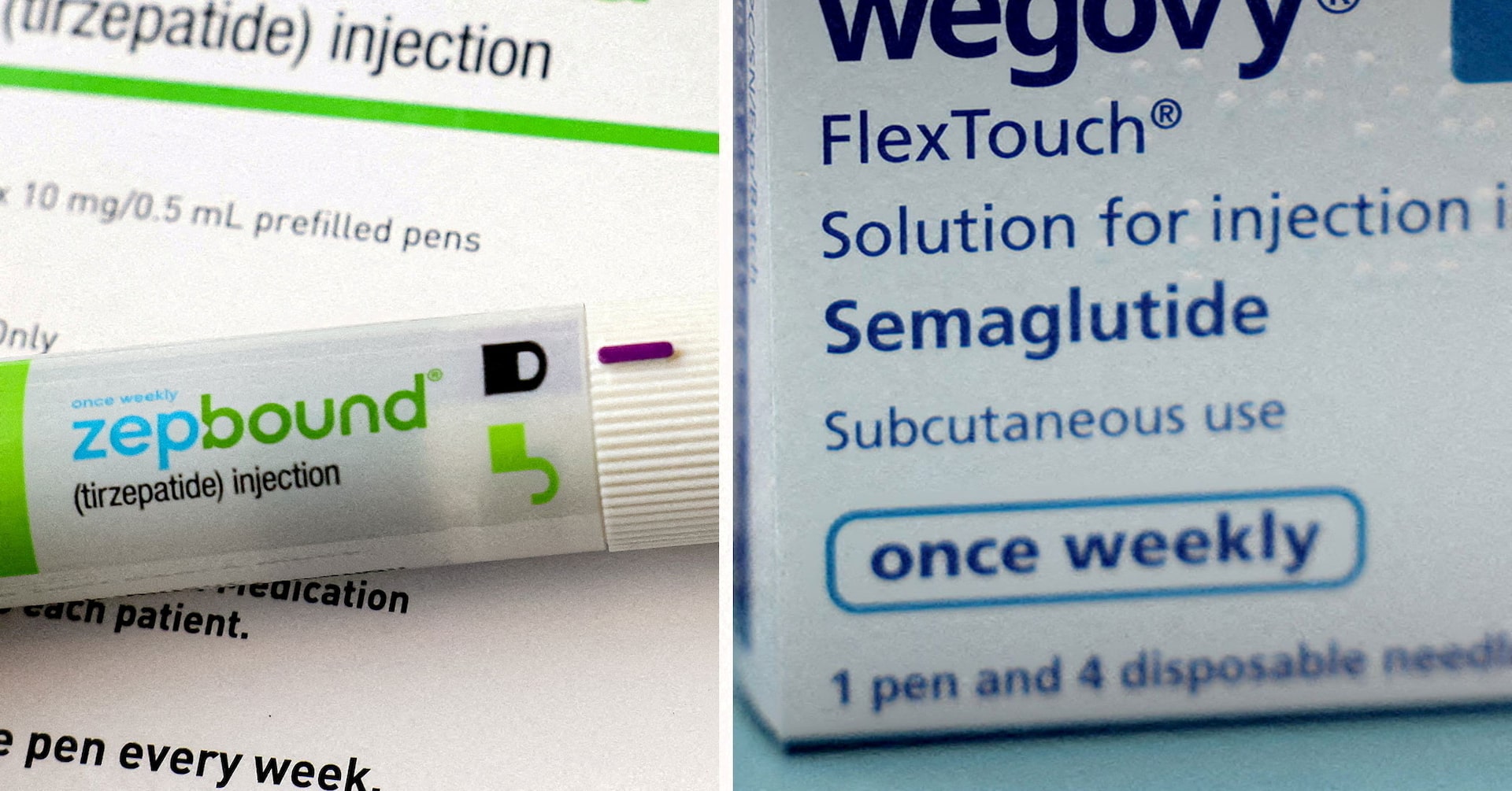
Nearly two-thirds of patients who started Wegovy or Zepbound in early 2024 were still taking the drugs a year later, according to an analysis of U.S. pharmacy claims shared with Reuters [1]. That marks a sharp improvement from prior estimates and challenges the idea that high dropout rates would limit how many people can benefit from GLP-1 medications long-term [1].
The analysis, done by pharmacy benefits manager Prime Therapeutics, found that 63% of patients who began Wegovy or Zepbound in the first quarter of 2024 were still on the medication 12 months later [1]. For Wegovy alone, that is up from 40% of patients who started in 2023 and 34% who started three years earlier [1]. Patrick Gleason, Prime's assistant vice president for health outcomes and a co-author of the analysis, called the jump "a near doubling from one-third persistent to roughly two-thirds now" and said he expects the trend to hold [1].
The data come from claims for 23,025 commercially insured patients with an obesity diagnosis, excluding anyone with diabetes or on diabetes drugs [1]. Patients counted as persistent if they had no gap in their prescription supply longer than 60 days, and switching between Wegovy and Zepbound was allowed [1]. Prime manages pharmacy benefits for roughly 73 million people through its ownership by 19 Blue Cross and Blue Shield plans [1].
Longer-term use tells a different story. In a separate analysis of 5,780 patients who stayed enrolled in their health plan for three years, only 14% were still taking Wegovy at that point, down from 24% still on the drug at the two-year mark [1]. Health experts cited in the analysis point to easing drug shortages, expanding insurance coverage, and doctors getting better at managing side effects as likely reasons more patients are sticking with treatment in the first year [1]. Dr. Ezekiel J. Emanuel of the University of Pennsylvania's Healthcare Transformation Institute said low persistence had been a concern and that the new numbers may show wider insurance coverage is helping change that [1].
Why it matters for patients
Studies show that people who stop GLP-1 drugs typically regain most of the weight they lost, and the medications may need to be taken for a long time to produce lasting health benefits [1]. That makes persistence data relevant to anyone weighing whether to start treatment, since it points to how likely people are to actually stay on the drug and for how long. The gap between one-year persistence (63%) and three-year persistence (14%) suggests that staying on track gets harder over time, even as short-term adherence improves [1].
The analysis has real limits. It does not track patients who paid out of pocket or used compounded versions of semaglutide or tirzepatide, and it does not explain why individual patients stopped or continued treatment [1]. Reasons for quitting have included unaffordable costs, loss of insurance coverage, gastrointestinal side effects, supply shortages, or simply reaching a weight-loss goal [1]. David Lassen, Prime's vice president of clinical pharmacy services, said patients buying the drugs directly from manufacturers outside insurance were not captured in this data and "could have a different adherence pattern" [1].
Many employers and government health programs remain cautious about covering these drugs given their high upfront cost and uncertainty about long-term savings [1]. Novo Nordisk declined to comment on the findings, while Eli Lilly said Zepbound is meant to be prescribed as part of a long-term treatment plan alongside diet and exercise [1].
What happens next
Prime Therapeutics said it plans to keep monitoring adherence patterns, including among patients who obtain the drugs directly from manufacturers rather than through insurance, since that group may behave differently [1]. The FDA removed semaglutide from its drug shortage list earlier in 2025 and did the same for tirzepatide in December, moves that eventually barred compounding pharmacies from making cheaper copies of these medicines [1]. How that shift affects future persistence data is not yet known.
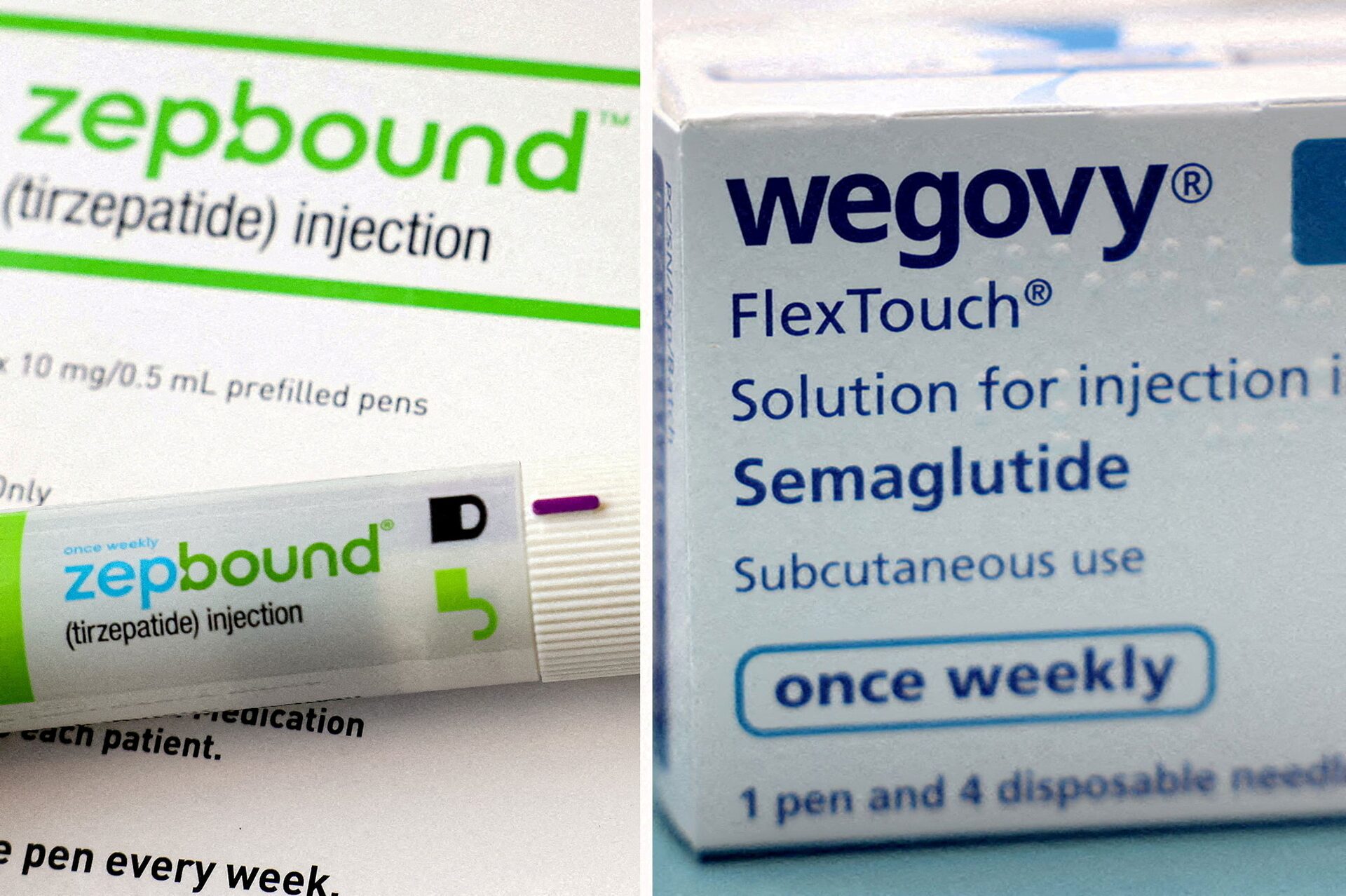
Images from the sources
Sources
Semaglutides.org is for information only and is not medical advice. Always talk to a licensed healthcare provider about your own care. Some links to telehealth services are affiliate links, labeled where they appear.