SURPASS-CVOT reports: Mounjaro non-inferior to Trulicity on cardiovascular events
Eli Lilly's SURPASS-CVOT trial found tirzepatide (Mounjaro) was no worse than dulaglutide (Trulicity) at preventing heart attacks, strokes and cardiovascular death in 13,299 people with type 2 diabetes and heart disease.
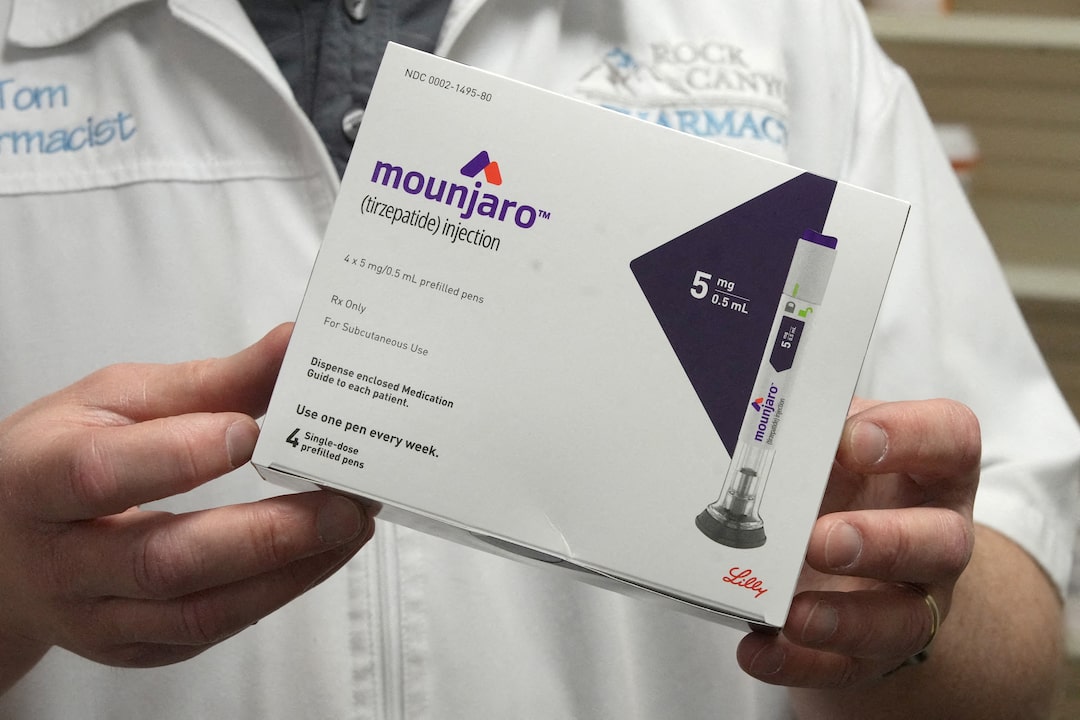
Eli Lilly reported topline results on July 31, 2025 from SURPASS-CVOT, the first cardiovascular outcomes trial to compare two incretin medicines head to head instead of against a placebo [1][2]. Tirzepatide (Mounjaro) met the trial's primary goal of non-inferiority against dulaglutide (Trulicity), an older GLP-1 drug with proven heart benefit, with an 8% lower rate of cardiovascular death, heart attack or stroke [1].
The trial randomized 13,299 adults with type 2 diabetes and established atherosclerotic cardiovascular disease 1:1 across 640 sites in 30 countries [1]. Participants received the maximum tolerated dose of Mounjaro (5 mg, 10 mg or 15 mg) or Trulicity 1.5 mg, both injected once weekly [1]. The study ran about five years, with a median follow-up of four years [1] — 210.1 weeks, according to a later Lilly release [2]. That makes it the largest and longest tirzepatide study to date [1].
What the numbers showed
For the primary endpoint, time to first major adverse cardiovascular event (MACE-3), the hazard ratio was 0.92 (95.3% confidence interval 0.83 to 1.01; p = 0.086) [1]. Because the upper limit of that interval fell below the prespecified boundary of 1.05, the trial met non-inferiority [1]. But the p-value of 0.086 means superiority was not established [2]. In plain terms: Mounjaro was shown to be at least as good as Trulicity on heart events, not clearly better.
Secondary results favored tirzepatide, though Lilly notes these were not controlled for multiplicity-adjusted type 1 error, which makes them supportive rather than definitive [1]. All-cause death was 16% lower with Mounjaro (hazard ratio 0.84; 95.0% CI 0.75 to 0.94; p = 0.002) [1]. In participants at high or very high risk of chronic kidney disease, eGFR declined 4.97 mL/min/1.73 m² with Mounjaro versus 8.51 with Trulicity at 36 months, a difference of 3.54 (95.0% CI 2.57 to 4.50) [1].
On metabolic measures, from a mean baseline A1C of 8.39%, Mounjaro cut A1C by 1.73% versus 0.90% for Trulicity at 36 months, a difference of 0.83 percentage points [1]. From a mean baseline weight of 92.6 kg (204.15 lbs), Mounjaro produced a 12.06% drop (25.20 lbs) compared with 4.95% (10.25 lbs) for Trulicity, a 7.1-point difference [1].
Side effects were mostly gastrointestinal and generally mild to moderate, occurring largely during dose escalation [1]. Discontinuation due to adverse events was 13.3% with Mounjaro versus 10.2% with Trulicity [1].
One caveat on interpretation: Lilly also reported a prespecified indirect comparison, matching patient-level data from SURPASS-CVOT and the older REWIND trial, which estimated Mounjaro reduced MACE-3 by 28% (hazard ratio 0.72) and all-cause death by 39% (hazard ratio 0.61) versus a "putative placebo" [1]. That is a modeled comparison, not a randomized one. Sources also differ slightly on enrollment framing: Lilly cites 13,299 randomized participants [1], while TCTMD described the trial as enrolling "more than 13,200 patients" [4].
Why it matters for patients
Most GLP-1 heart outcome trials compare a drug to placebo. This one set a higher bar by using an active comparator that already had a cardiovascular indication [2]. For people with type 2 diabetes and heart disease, the practical upshot is that tirzepatide preserved the heart protection seen with dulaglutide while producing larger A1C and weight reductions in the same trial [1].
What the trial did not show is that tirzepatide beats dulaglutide on heart events — the mortality and kidney findings, while striking, come with statistical caveats [1][2]. The slightly higher discontinuation rate for side effects is also worth knowing about [1].
What happens next
Full results were presented at the European Association for the Study of Diabetes annual meeting in September 2025 and published in a peer-reviewed journal [1][4]; Lilly later confirmed publication in The New England Journal of Medicine [2].
On August 28, 2026, the FDA approved Mounjaro to lower the risk of major adverse cardiovascular events — cardiovascular death, non-fatal heart attack or non-fatal stroke — in adults with type 2 diabetes at high risk for those events [2]. The trial data have also been added to Mounjaro's product information in the European Union [2].
Separately, SURMOUNT-MMO is testing tirzepatide in people with overweight and cardiovascular disease, with results not expected until 2027 [4].
Images from the sources
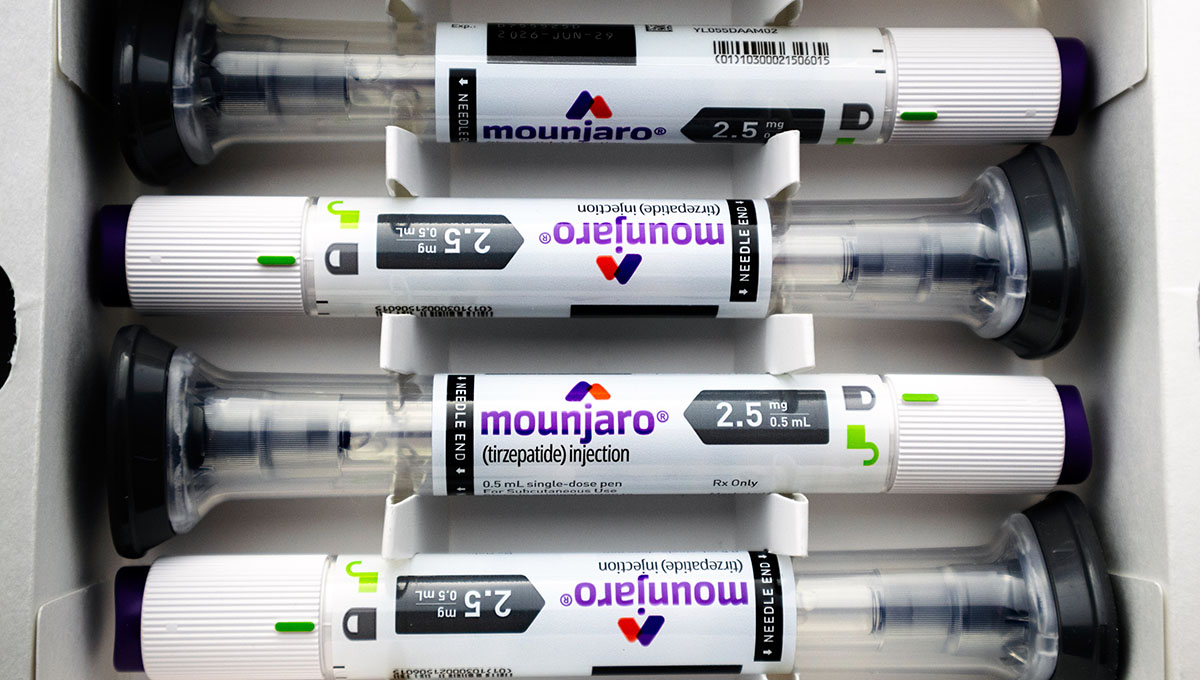

Sources
- https://www.prnewswire.com/news-releases/lillys-mounjaro-tirzepatide-a-gipglp-1-dual-agonist-demonstrated-cardiovascular-protection-in-landmark-head-to-head-trial-reinforcing-its-benefit-in-patients-with-type-2-diabetes-and-heart-disease-302517872.html
- https://investor.lilly.com/news-releases/news-release-details/fda-approves-lillys-mounjaro-tirzepatide-reduce-cardiovascular
- https://lilly.gcs-web.com/news-releases/news-release-details/lillys-mounjaro-tirzepatide-gipglp-1-dual-agonist-demonstrated
- https://www.tctmd.com/news/tirzepatide-matches-dulaglutide-large-cv-outcomes-trial-surpass-cvot
- https://investor.lilly.com/node/52671/pdf
- https://www.hcplive.com/view/surpass-cvot-tirzepatide-bests-dulaglutide-cardiovascular-protection
- https://www.reuters.com/business/healthcare-pharmaceuticals/mounjaro-appears-more-heart-protective-than-trulicity-trial-eli-lilly-diabetes-2025-07-31/
- https://investor.lilly.com/news-releases/news-release-details/lillys-mounjaro-tirzepatide-gipglp-1-dual-agonist-demonstrated
Semaglutides.org is for information only and is not medical advice. Always talk to a licensed healthcare provider about your own care. Some links to telehealth services are affiliate links, labeled where they appear.