BMJ Group retracts the apple cider vinegar weight-loss trial
BMJ Group has retracted the 2024 trial that claimed daily apple cider vinegar produced about 9% weight loss, saying the results are unreliable and should no longer be cited.
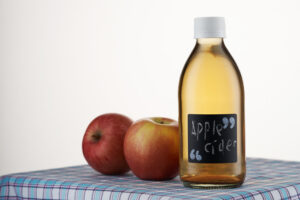
BMJ Group has retracted a widely publicized clinical trial that reported people who drank small daily amounts of apple cider vinegar lost a substantial amount of weight. The publisher says the results are unreliable and that "journalists and others should no longer reference or use the results of this study in any future reporting" [1]. The retraction notice was posted on September 23, 2025 [3].
The original study appeared in the open access journal BMJ Nutrition, Prevention & Health in March 2024 and was promoted with a press release, which helped drive international coverage [1]. It involved 120 people with overweight or obesity in Lebanon; those taking daily doses of vinegar for 12 weeks reportedly lost about 9% of their body mass [2]. NPR noted that this level of weight loss rivaled what is seen with prescription products such as Ozempic and Wegovy — both brands of semaglutide — which is part of why the finding drew so much attention [2].
What the review found
BMJ Group says the retraction was prompted by concerns about the quality of the work, including the approach to statistical analysis, implausible statistical values, the reliability of the raw data, inadequate reporting of methods, and lack of prospective trial registration, which breaches the publisher's editorial policy [1][3].
After critiques were raised in rapid responses and published letters, BMJ Group's content integrity team referred the study to statistical experts, who tried to replicate the results and examine the authenticity of the underlying data supplied by the authors [1]. The statisticians could not replicate the results and identified multiple analytical errors, along with irregularities in the data set [1]. Their report, appended to the retraction notice, concluded that the data collected from each participant would require further independent scrutiny [1].
The authors said the errors were honest mistakes, and they agree with the decision to retract [1][3]. Martin Kohlmeier, editor in chief of the journal, said publishing the study despite the lack of trial registration "was the wrong decision to make," adding that the authors came from a scientific environment underrepresented in nutritional research and that the journal aims to prioritize high quality evidence [1].
Some researchers say the process took too long. Eric Trexler of Duke University, one of the scientists who flagged flaws weeks after publication, said scientists notified BMJ of their concerns in June 2024, and more than a year passed before the journal acted [2]. He said the delay, which is common in medical publishing, reveals "a pressing need for reform across the academic publishing industry" [2]. Marion Nestle, professor emerita of nutrition and food studies at New York University, told NPR the bigger surprise was "why the BMJ accepted the study in the first place" [2]. BMJ's publication ethics editor, Helen Macdonald, said investigations are complex and that reaching a fair final decision "can therefore take several months" [1].
Why it matters for patients
For people weighing options for weight management, this retraction removes one of the few randomized-trial citations that had been used to suggest a cheap pantry item could deliver drug-like results. The retraction does not prove apple cider vinegar is harmful; it means this particular trial's numbers could not be verified and, according to BMJ Group, should not be used as evidence [1].
It is also a reminder that a single small trial, even in a peer-reviewed journal with a press release behind it, can be wrong. Several academic medical centers, including Harvard Medical School and the Mayo Clinic, had already challenged weight-loss claims for apple cider vinegar before this retraction [2].
What the sources do not answer: whether apple cider vinegar has any measurable effect on body weight at all, how the retraction affects other vinegar studies, or whether the authors' institution will conduct its own review. The statisticians' report said only that each participant's data would need further independent scrutiny [1].
What happens next
The retraction notice, dated September 23, 2025, is now attached to the original paper along with the statisticians' report [1][3]. Bragg Live Food Products, a major apple cider vinegar brand, issued a statement downplaying the retraction and said it "never relied on this study" to support its acetic acid claims [2]. No further investigation timeline has been announced in the sources.
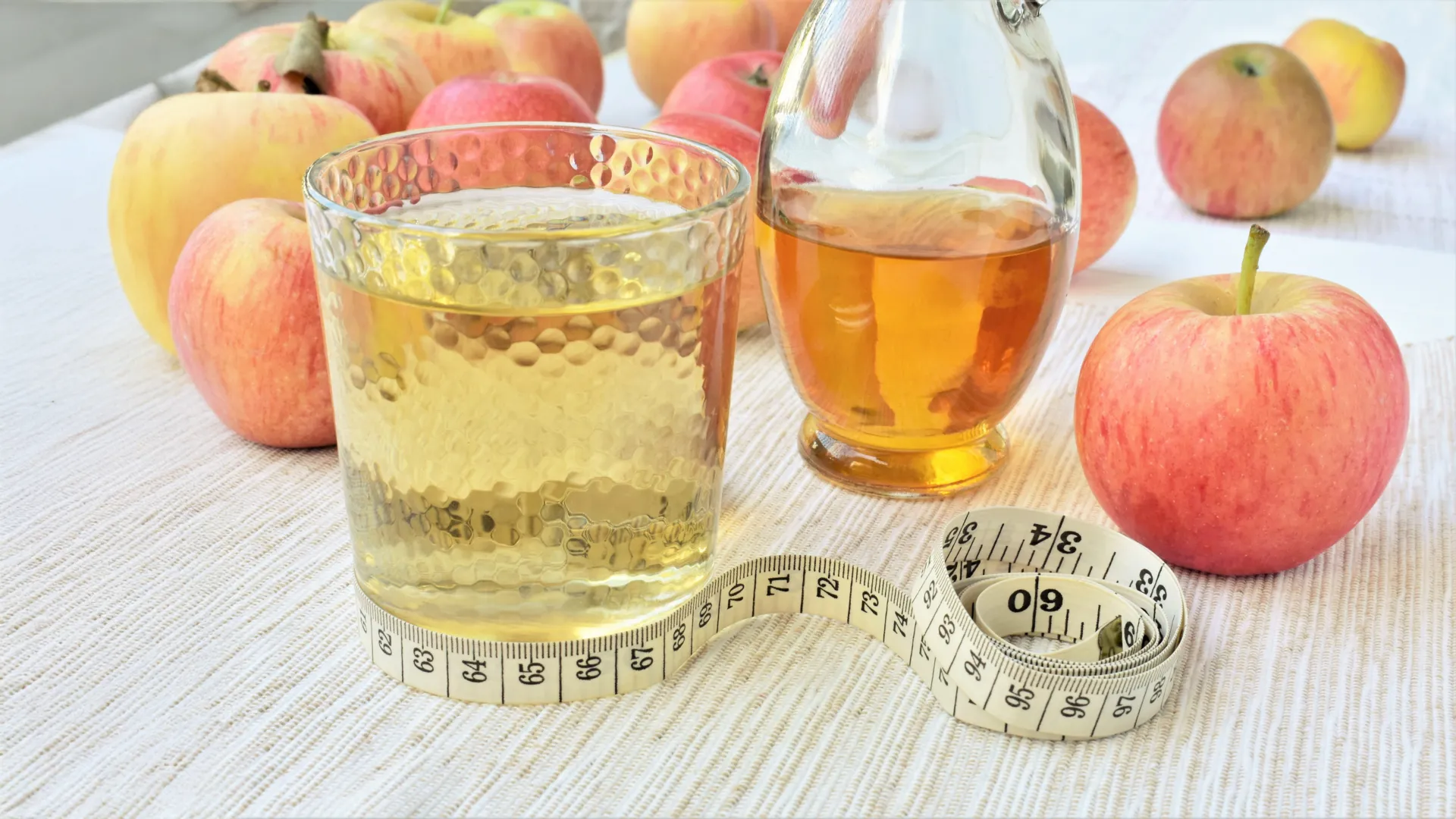
Images from the sources
Sources
Semaglutides.org is for information only and is not medical advice. Always talk to a licensed healthcare provider about your own care. Some links to telehealth services are affiliate links, labeled where they appear.