Systematic review finds GLP-1 drugs improve idiopathic intracranial hypertension outcomes
A systematic review of nine studies found GLP-1 drugs may ease headaches, protect vision and cut reliance on acetazolamide or surgery in a rare disorder called idiopathic intracranial hypertension, though evidence remains preliminary.
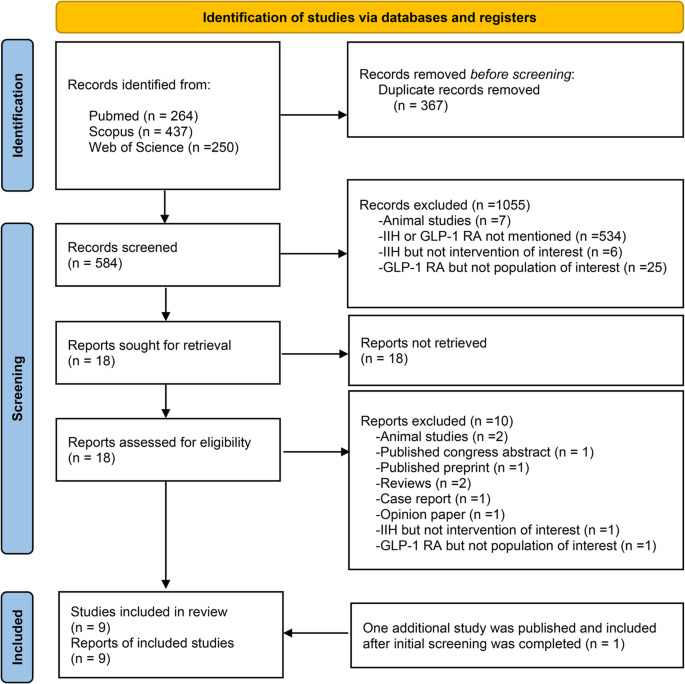
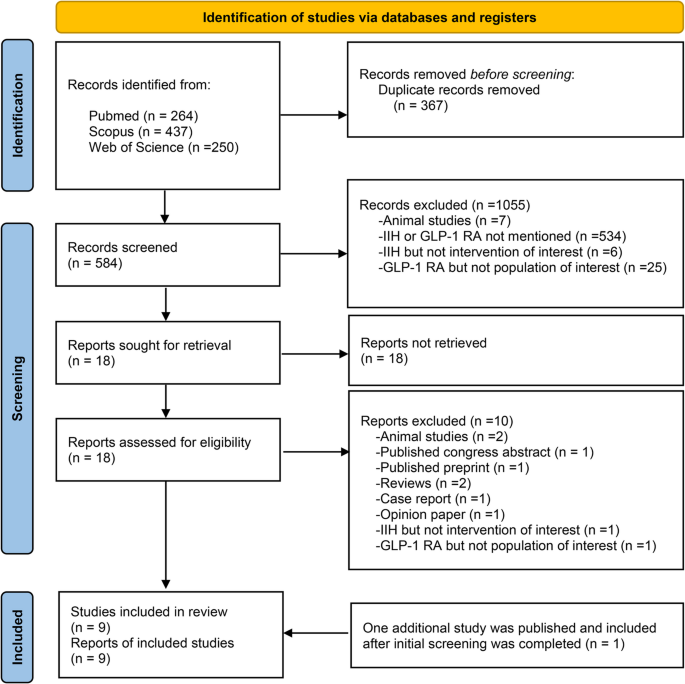
A systematic review published October 7, 2025, in the Journal of Headache and Pain found that GLP-1 receptor agonist drugs, the class that includes semaglutide and other GLP-1 medicines, may improve outcomes for people with idiopathic intracranial hypertension (IIH), a condition marked by dangerously high pressure around the brain [1]. The review pooled data from nine clinical studies, one randomized controlled trial and eight observational studies, and found consistent associations between GLP-1 drug use and better headache control, weight loss, and reduced need for acetazolamide or surgery [1].
IIH mostly affects obese women of reproductive age and has become more common as obesity rates have risen, with an estimated incidence of about 22 cases per 100,000 among obese young women [1]. The condition causes chronic headaches and pulsatile tinnitus, and if untreated it can lead to permanent vision loss or blindness [1]. Current first-line treatment relies on weight loss and the drug acetazolamide, which lowers pressure by reducing spinal fluid production, but acetazolamide often provides only partial relief and can cause tingling, fatigue, nausea and thinking problems at doses high enough to work [1]. Even losing 6 to 10 percent of body weight can meaningfully improve IIH symptoms, but achieving that through diet alone is difficult for many patients [1].
The review's strongest single piece of evidence comes from a small randomized trial of 16 patients that tested exenatide, a GLP-1 drug, and found it significantly lowered intracranial pressure within hours of dosing, with no serious safety concerns reported [1]. Across the broader set of studies, researchers also reported that papilledema, a swelling of the optic nerve that signals dangerous pressure, resolved in some patients, and that the risk of vision getting worse was lower among those on GLP-1 drugs [1]. Cognitive function either improved or held steady, and the side effects seen were mostly mild stomach and digestive symptoms, similar to what's reported for these drugs when used for diabetes or obesity [1].
The review's authors noted a scientific basis for why these drugs might help beyond simple weight loss: GLP-1 receptors are found in the choroid plexus, the brain tissue that produces spinal fluid, suggesting a possible direct effect on fluid production or pressure regulation [1]. Still, the authors cautioned that most of the evidence comes from retrospective, observational data that may overlap between studies, and that randomized evidence remains minimal outside the small exenatide trial [1]. The review pointed to ongoing prospective trials testing semaglutide specifically, including one called IIH:DUAL, as steps toward stronger proof [1].
Why it matters for patients
For people living with IIH, current options are limited to acetazolamide, which many find hard to tolerate at effective doses, or invasive procedures like optic nerve sheath surgery, venous sinus stenting or spinal fluid shunting when medicine fails [1]. If GLP-1 drugs turn out to lower pressure and protect vision as reliably as this review suggests, it could offer a non-surgical option that also addresses the obesity often driving the condition. But the review's authors are explicit that the evidence so far is preliminary and mostly observational, meaning it cannot yet prove that GLP-1 drugs directly caused the improvements seen, as opposed to weight loss alone or other factors [1]. Patients considering these drugs for IIH should know that none are currently approved specifically for this condition, and larger, controlled trials are still needed before firm conclusions can be drawn [1].
What happens next
The review's authors called for well-powered phase 3 randomized controlled trials to confirm the preliminary findings and to define the best treatment approach for IIH [1]. Results from prospective semaglutide trials referenced in the review, including IIH:DUAL, are expected to add stronger evidence in the coming years, though specific completion dates were not detailed in the review [1].
Images from the sources
Sources
Semaglutides.org is for information only and is not medical advice. Always talk to a licensed healthcare provider about your own care. Some links to telehealth services are affiliate links, labeled where they appear.