EVOKE and EVOKE+ fail: semaglutide does not slow Alzheimer's disease
Novo Nordisk's two-year evoke and evoke+ trials in 3,808 people with early Alzheimer's found oral semaglutide did not slow disease progression, ending hopes that GLP-1 drugs protect memory.
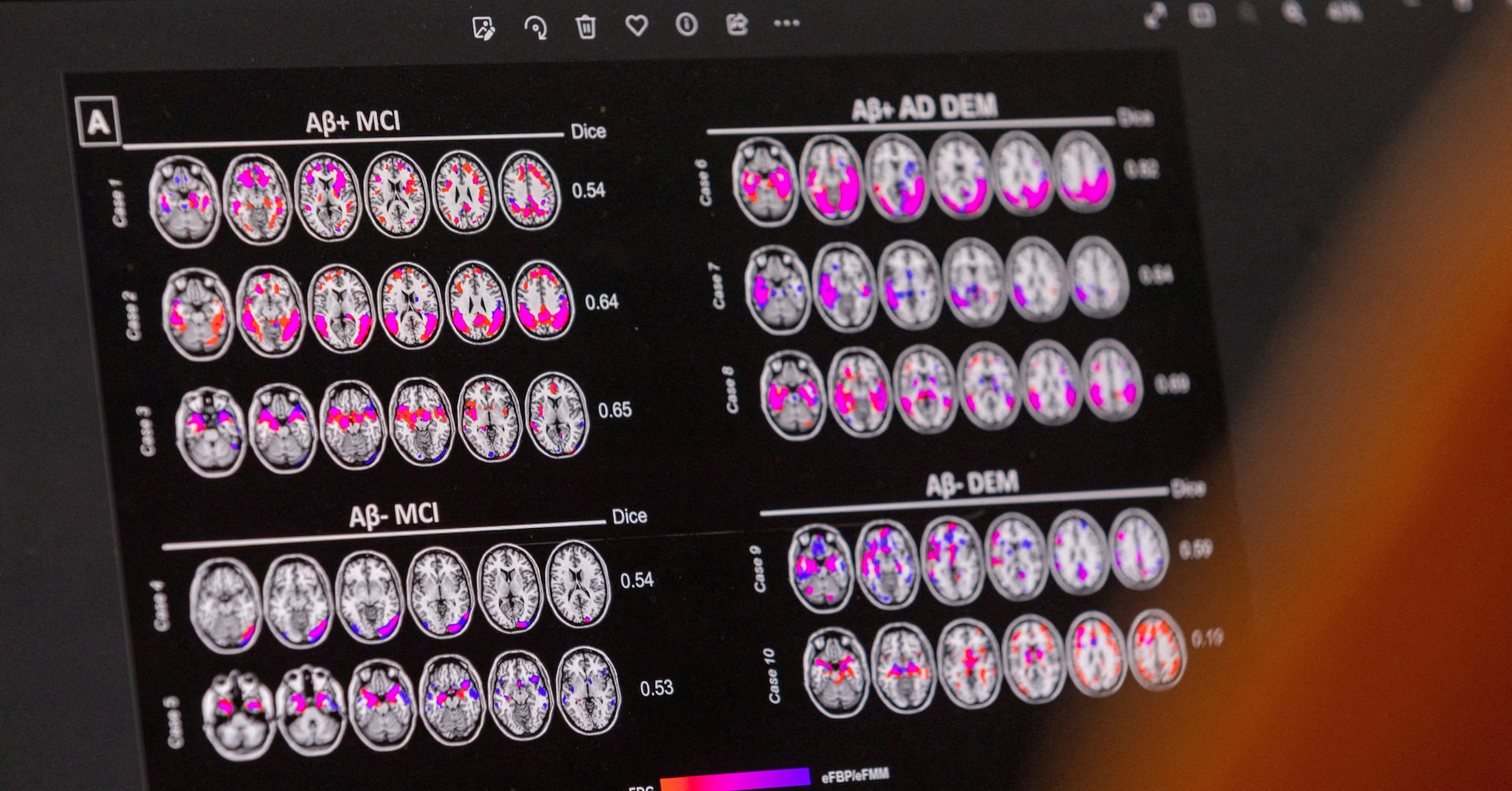
Novo Nordisk announced on November 24, 2025 that its two large phase 3 Alzheimer's trials, evoke and evoke+, failed. Oral semaglutide did not beat placebo at slowing disease progression in 3,808 adults with early symptomatic Alzheimer's disease, and the company is discontinuing the planned one-year extension [1].
The trials were global, randomized, double-blind and placebo-controlled, testing once-daily oral semaglutide 14 mg on top of standard care [1]. Participants were ages 55 to 85 with mild cognitive impairment or mild dementia due to Alzheimer's, all with confirmed amyloid buildup in the brain [1]. Evoke randomized 1,855 people and evoke+ randomized 1,953, split 1:1 between drug and placebo, with a 104-week main treatment phase and a 52-week extension [1]. The drug tested was the same molecule sold as Rybelsus, a pill approved in the US only for type 2 diabetes; Ozempic and Wegovy are injectable versions of semaglutide [1][4].
The main measure was change from baseline to week 104 in the Clinical Dementia Rating – Sum of Boxes, or CDR-SB, a score built from interviews with both the patient and a care partner across six areas of thinking and daily function, with a maximum of 18 points [1]. Semaglutide did not show superiority over placebo on that score [1]. According to Reuters, the studies were designed to detect roughly a 20% slowing of cognitive decline [4].
Novo said semaglutide did improve Alzheimer's-related biomarkers in both trials, but that this "did not translate into a delay of disease progression" [1]. The company did not say which biomarkers moved [4]. Safety looked consistent with earlier semaglutide studies, and Novo noted more than 37 million patient-years of exposure to the drug across conditions [1].
"We always knew that there would be a low likelihood of success," Novo CEO Mike Doustdar said in a video posted on LinkedIn [4]. Martin Holst Lange, the company's chief scientific officer, said the decision to test semaglutide in Alzheimer's rested on real-world evidence, preclinical models and after-the-fact analyses of diabetes and obesity trials [1]. One of those was an analysis of health records from more than a million people with type 2 diabetes suggesting semaglutide was linked to a 40% to 70% lower risk of a first Alzheimer's diagnosis compared with other diabetes drugs [6]. Analysts were skeptical going in; UBS had put the odds of success at about 10%, and Novo itself had called the program a "lottery ticket" [4]. Novo shares fell more than 12% on the news before closing down 5.8% [4].
Why it matters for patients
If you take semaglutide for type 2 diabetes or weight management, nothing about your prescription changes. These trials tested a new use that was never approved, and the results do not affect the existing evidence for diabetes, obesity and related conditions [1].
What the results do change is expectation. Observational data had raised hopes that GLP-1 drugs might protect the brain, and some people have asked about taking them for that reason. These were the first large trials of a GLP-1 drug in people with early-stage Alzheimer's, and over two years they did not show a benefit on the clinical measure that mattered [4]. One investor summed it up bluntly: discontinuing the third-year extension "suggests that semaglutide offers virtually no benefit in slowing Alzheimer's progression" [4].
The Alzheimer's Association said it was disappointed but that the data still has value. "Though this semaglutide pill did not help against Alzheimer's, the field will continue to investigate this class of drugs, as they may act differently," said chief science officer Maria Carrillo [2]. The group noted 182 active clinical trials testing 138 novel drugs as of early 2025 [2]. Leqembi and Kisunla remain the only US-approved treatments that slow Alzheimer's progression; both require infusions or injections and carry meaningful side effects [4]. Howard Fillit of the Alzheimer's Drug Discovery Foundation said the biomarker movement "may suggest a path forward for semaglutide as part of a combination therapy approach" [6]. Whether that pans out is not yet known.
What happens next
Topline numbers are scheduled for presentation at the Clinical Trials in Alzheimer's Disease conference on December 3, 2025, in San Diego [1][6]. Full results are due at the Alzheimer's and Parkinson's Diseases Conferences in March 2026 [1]. Those presentations should reveal the actual CDR-SB difference, which biomarkers changed, and how subgroups fared — details not disclosed in the November announcement [4].
Images from the sources
Sources
- https://www.globenewswire.com/news-release/2025/11/24/3193328/0/en/novo-nordisk-a-s-evoke-phase-3-trials-did-not-demonstrate-a-statistically-significant-reduction-in-alzheimer-s-disease-progression.html
- https://www.alz.org/news/2025/alzheimers-association-statement-oral-semaglutide-phase-3-topline-data-release
- https://www.alzheimer-europe.org/news/novo-nordisk-announces-topline-results-evoke-and-evoke-trials-semaglutide-early-ad?language_content_entity=en
- https://www.reuters.com/business/healthcare-pharmaceuticals/novo-nordisk-says-alzheimers-drug-trial-fails-meet-main-goal-2025-11-24/
- https://www.globenewswire.com/news-release/2025/11/24/3193328/0/en/Novo-Nordisk-A-S-Evoke-phase-3-trials-did-not-demonstrate-a-statistically-significant-reduction-in-Alzheimer-s-disease-progression.html
- https://www.neurologylive.com/view/glp-1-semaglutide-fails-outperform-placebo-phase-3-evoke-trial-ad
- https://www.sec.gov/Archives/edgar/data/353278/000117184325007519/f6k_112425.htm
Semaglutides.org is for information only and is not medical advice. Always talk to a licensed healthcare provider about your own care. Some links to telehealth services are affiliate links, labeled where they appear.