STAT News reports telehealth companies launching compounded microdose programs
Noom, Found and Hims & Hers each launched compounded GLP-1 "microdose" programs within about three months, but physicians say there is no robust clinical evidence that tiny doses of semaglutide or tirzepatide work [1].
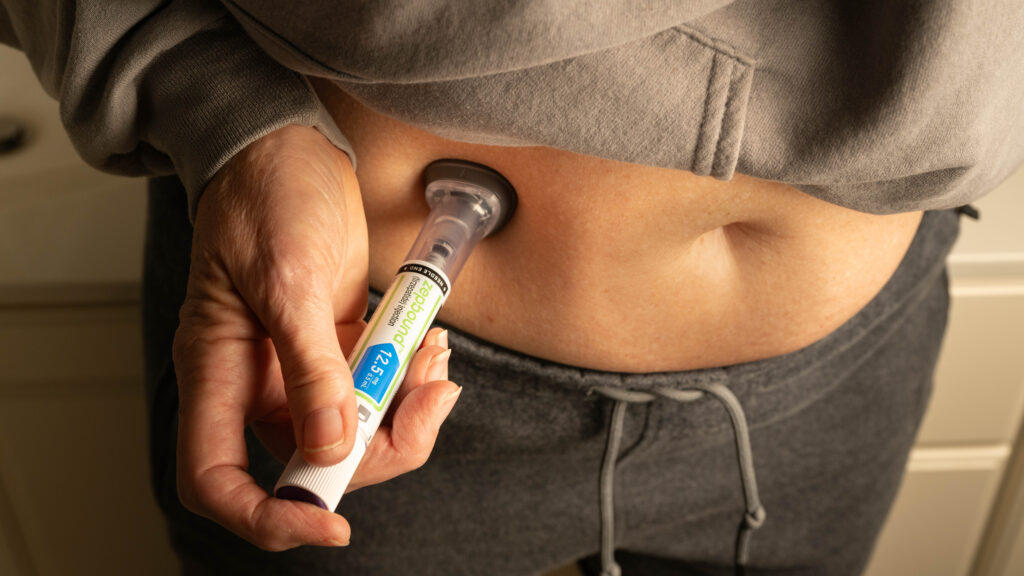
Three of the largest direct-to-consumer telehealth companies — Noom, Found and Hims & Hers — each launched programs to prescribe "microdosed" compounded GLP-1 drugs within about three months, STAT News reported on Nov. 4, 2025 [1]. They followed many smaller direct-to-consumer telehealth companies that had already been selling the same idea [1]. Physicians and researchers told STAT there is no robust clinical evidence that semaglutide or tirzepatide work at very small doses [1].
The reporting marks the point at which "microdosing" stopped being mostly a social media term and became a commercial product category with celebrity marketing behind it. Noom promoted its program alongside a new celebrity spokesperson, actor Rebel Wilson, and TV host Andy Cohen has publicly discussed his microdosing habit [1].
What companies are claiming
In their marketing, telehealth companies claim that compounded GLP-1s in small doses — starting lower than the FDA-approved doses sold by Novo Nordisk and Eli Lilly — can reduce metabolic risk, lower inflammatory markers, and even lower the risk of cognitive decline [1]. Semaglutide is the molecule in Ozempic, Wegovy and Rybelsus; tirzepatide is the molecule in Mounjaro and Zepbound. None of those brand products is approved at the sub-therapeutic doses being marketed, and the drugs are not proven to help with many of the symptoms named in the marketing [1].
"Essentially these patients are guinea pigs, both on the efficacy side and the safety side," Reshma Ramachandran, a health services researcher and clinician at the Yale School of Medicine, told STAT [1].
STAT framed the trend in business terms: microdosing "aims to extend the lifespan of the GLP-1 compounding market" [1]. Compounded versions are not FDA-approved copies of the brand drugs, and the dose levels used in these programs sit below the amounts studied in the trials that supported approval [1].
The evidence did not change
STAT returned to the topic on May 29, 2026, in a First Opinion essay by Jody Dushay, an assistant professor of medicine at Harvard Medical School and an attending endocrinologist at Beth Israel Deaconess Medical Center [2]. Her assessment was blunt: "Microdosing GLP-1s is not a thing. There are no legitimate long-term data to support it" [2].
Dushay also pointed to a basic problem that makes the category hard to evaluate: there is no single definition of what counts as a microdose, for weight loss or for any other condition [2]. She wrote that patients were asking her about it, that TV and online ads were promoting it, and that friends were speculating about who was doing it [2].
In other words, roughly seven months after the commercial launches, the evidence base had not shifted. Both STAT pieces say the same thing from different angles — one from reporting on the companies [1], one from a clinician who prescribes GLP-1s [2].
Why it matters for patients
A lower dose usually sounds safer and cheaper, and that is part of the appeal. But the claims attached to these programs — lower inflammation, reduced metabolic risk, protection against cognitive decline — are marketing claims, not findings from trials of those doses [1]. When a product is sold below the doses that were actually tested, the effectiveness data from the brand-name trials does not automatically carry over.
Because there is no agreed definition of a microdose [2], two companies can use the word to mean very different amounts of drug. That makes it hard to compare programs, hard to compare prices on a like-for-like basis, and hard for a patient to describe to another clinician exactly what they have been taking.
The safety picture is also incomplete. The Yale researcher quoted by STAT described patients on these programs as test subjects on both efficacy and safety [1]. Compounded products are not FDA-approved, so they do not carry the same manufacturing review as Ozempic, Wegovy, Mounjaro or Zepbound.
What the sources do not say is equally important: they do not report how many people have enrolled in these programs, what the programs cost, what specific doses are used, or whether any regulator has taken action. Those details are not yet known from this reporting.
What happens next
STAT's original report published Nov. 4, 2025 [1]. Its follow-up, a clinician commentary, published May 29, 2026, and reached the same conclusion about the missing evidence [2]. No trial of deliberately sub-therapeutic GLP-1 dosing is described in either source, so there is no announced date by which the question might be settled.
Images from the sources
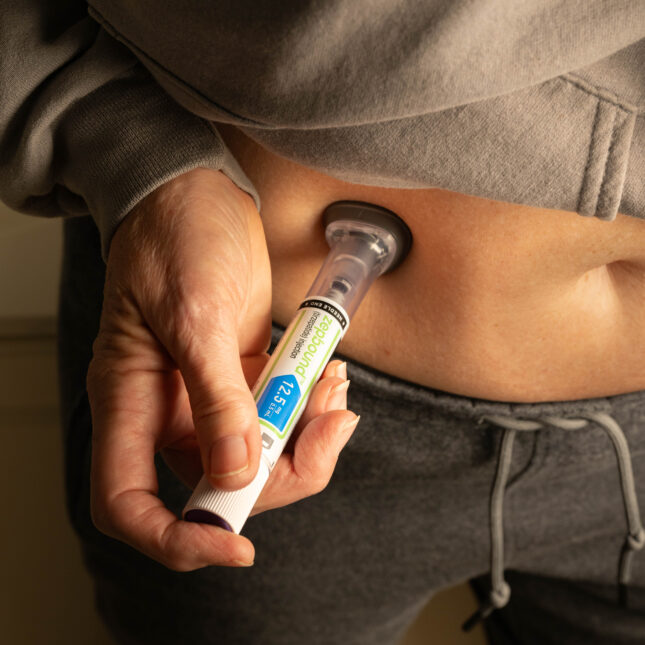


Sources
Semaglutides.org is for information only and is not medical advice. Always talk to a licensed healthcare provider about your own care. Some links to telehealth services are affiliate links, labeled where they appear.