Tirzepatide-specific suicidality analysis finds no safety signal
A new study of over 16,000 matched patient pairs found no increased suicide risk with tirzepatide (Mounjaro, Zepbound) compared with other weight-loss drugs, though researchers caution the finding needs confirmation.
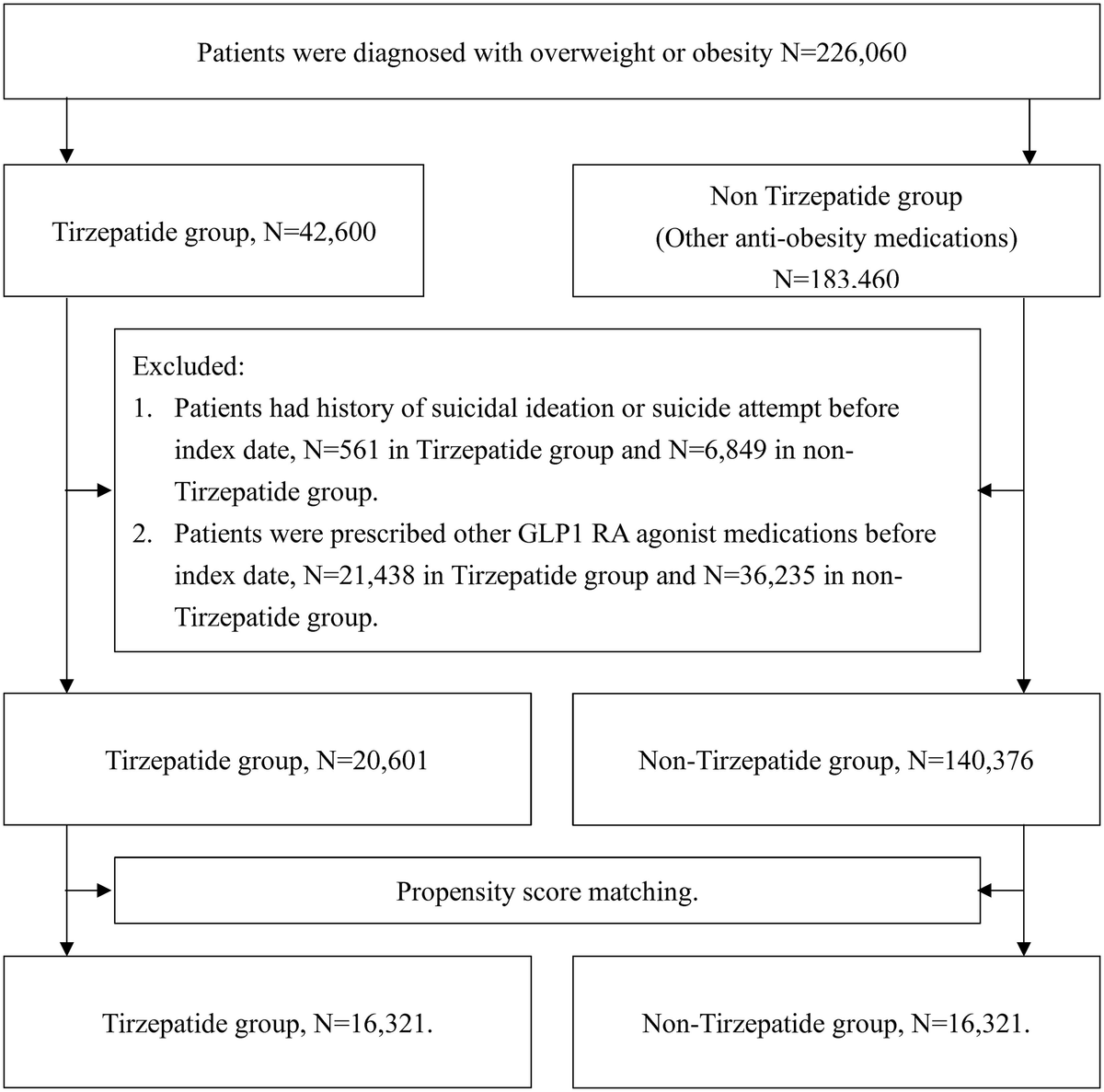
A real-world study published November 16 in Frontiers in Psychiatry found no evidence that tirzepatide, the active ingredient in Mounjaro and Zepbound, raises the risk of suicidal thoughts or attempts compared with other anti-obesity medications [1][2]. The study comes after the European Medicines Agency flagged possible links between GLP-1 receptor agonists and suicidal ideation, prompting calls for more real-world safety data [1].
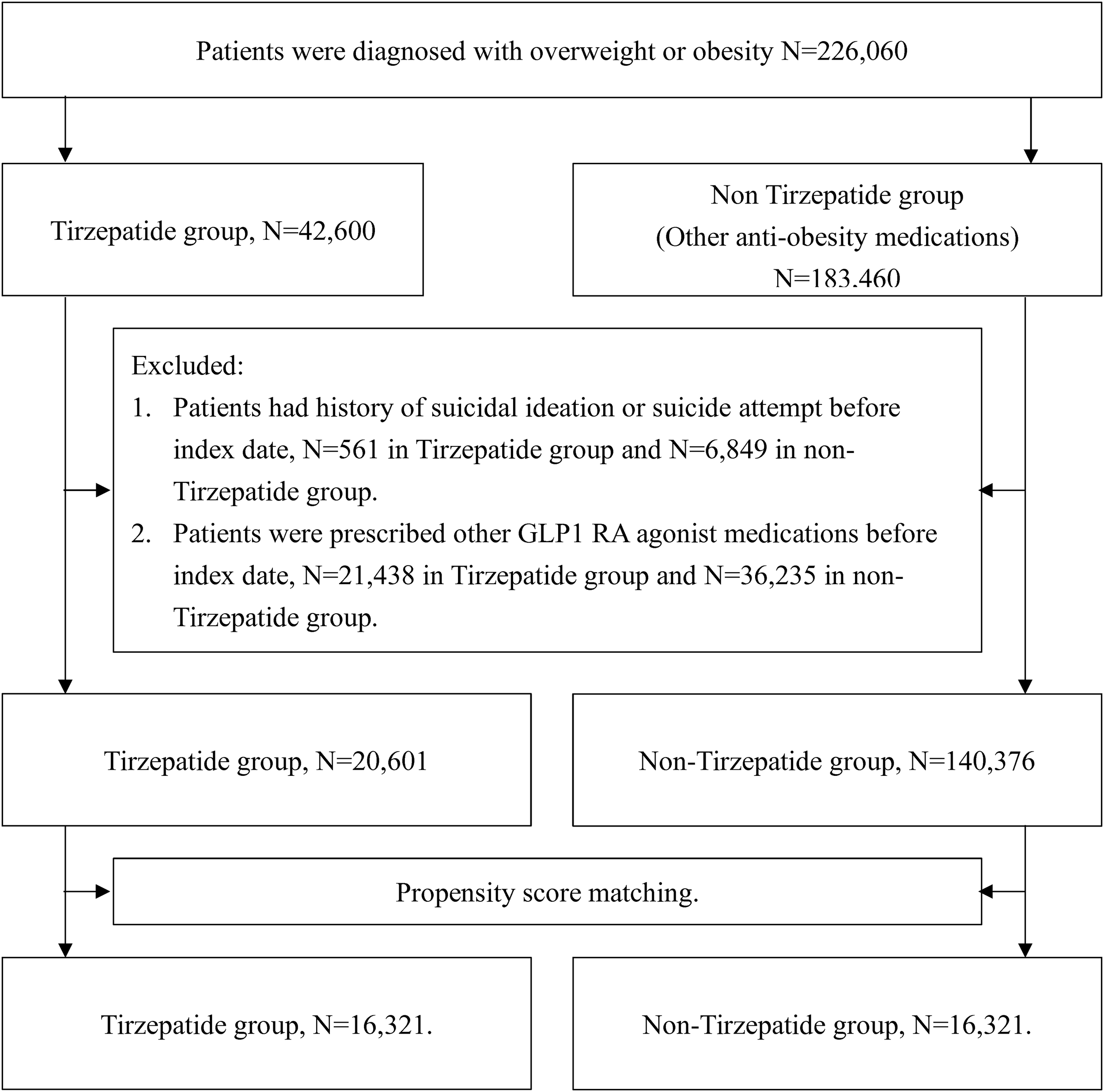
Researchers used the TriNetX US Collaborative Network, a database drawing on records from 66 healthcare organizations, to study 226,060 patients with overweight or obesity between May 2022 and April 2024 [1]. About 29% of patients had type 2 diabetes [1]. After excluding people with a prior history of suicidal ideation or attempts, or prior use of any GLP-1 drug, researchers used propensity score matching to compare 16,321 tirzepatide patients with 16,321 patients taking other anti-obesity drugs, including bupropion, naltrexone, orlistat, topiramate, phentermine, or setmelanotide [1]. The matched groups had similar age, sex, BMI, HbA1c, and mental health histories [1].
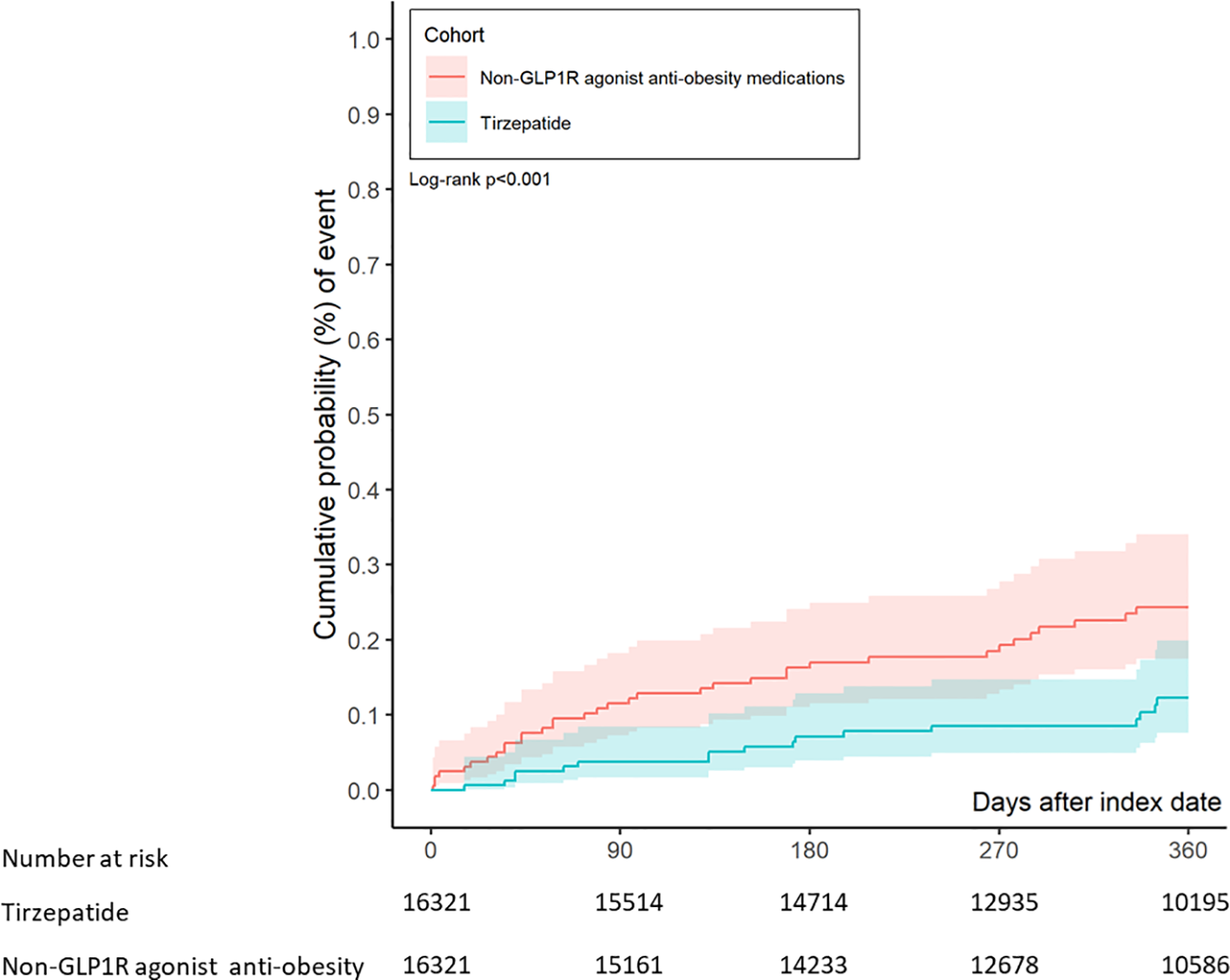
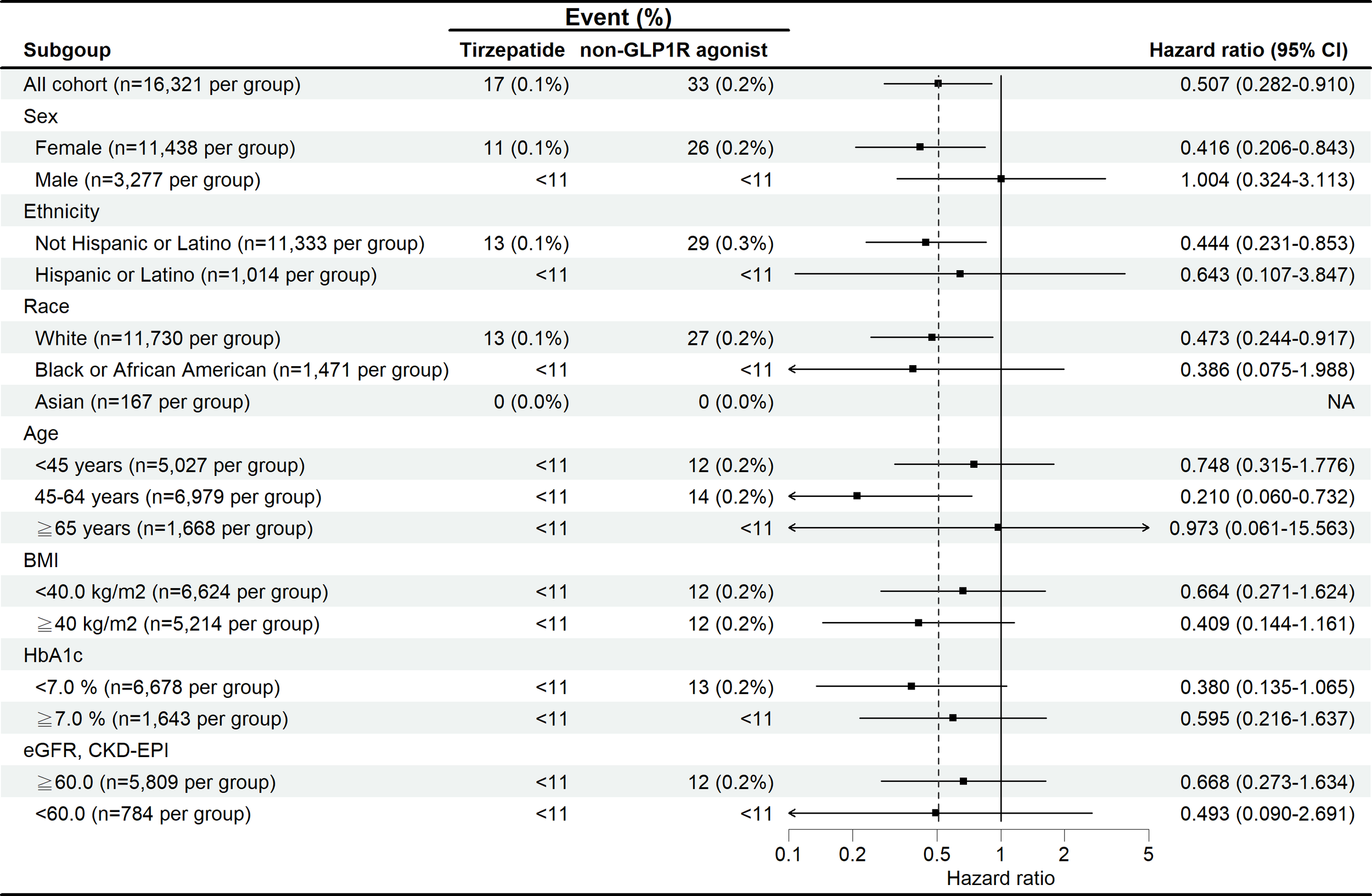
Over a median follow-up of 365 days, 17 tirzepatide patients experienced suicidal ideation or attempts, compared with 33 in the comparison group [1][2]. That works out to an adjusted hazard ratio of 0.52, meaning tirzepatide patients had roughly half the rate of these events, with a 95% confidence interval of 0.28 to 0.91 [1]. In absolute terms, the difference amounts to about one additional case per 1,000 patients in the comparison group over a year [1]. Subgroup analyses by BMI, HbA1c, and kidney function (GFR) showed consistent trends toward lower risk with tirzepatide [1].
The authors were careful to frame their results. They wrote that the observational design of the study "precludes definitive conclusions regarding causality" and that the findings suggest "a potential protective association" rather than proof that tirzepatide protects against suicidal thoughts [1]. The study did not use advanced statistical adjustments like Bayesian modeling or inverse probability weighting, citing database constraints and the small number of events, which the authors say may limit the study's statistical power [1]. They also noted that one year may not be long enough to fully assess psychiatric outcomes tied to a medication [1].
Why it matters for patients
For people already taking or considering tirzepatide-based drugs like Mounjaro or Zepbound, this study adds to a small but growing body of real-world evidence that has not found an increased suicide risk tied to the drug, addressing a concern raised by European regulators [1]. The authors are explicit that the main message is an absence of a safety signal, not evidence that the drug lowers suicide risk [1][2].
Because suicidal ideation and attempts were rare events in this dataset, with only 50 total cases across more than 32,000 matched patients, the confidence interval around the risk estimate is fairly wide, running from a 72% risk reduction to a 9% reduction [1]. That range reflects real statistical uncertainty even though the overall finding leans toward no increased harm.
The study also does not resolve whether other GLP-1 drugs, such as semaglutide (Ozempic, Wegovy, Rybelsus), behave the same way, since it compared tirzepatide only against non-GLP-1 anti-obesity medications [1]. Earlier observational studies on other GLP-1 drugs have also largely not shown increased suicide risk, according to the paper's authors, though they note this is a different comparison than the one made here [1].
What happens next
The study's authors call for longer-term studies to confirm their findings, since the current analysis followed patients for a median of only one year [1]. It is not yet known whether the US Food and Drug Administration or other regulators plan to revise their guidance on tirzepatide-based drugs based on this or similar real-world data.
Images from the sources
Sources
Semaglutides.org is for information only and is not medical advice. Always talk to a licensed healthcare provider about your own care. Some links to telehealth services are affiliate links, labeled where they appear.