Trump announces GLP-1 discounts for some Medicare and Medicaid patients
The agreement would cut monthly prices for some people taking Ozempic, Wegovy, Mounjaro or Zepbound and open Medicare coverage for obesity, but eligibility is narrow and state Medicaid programs must opt in.
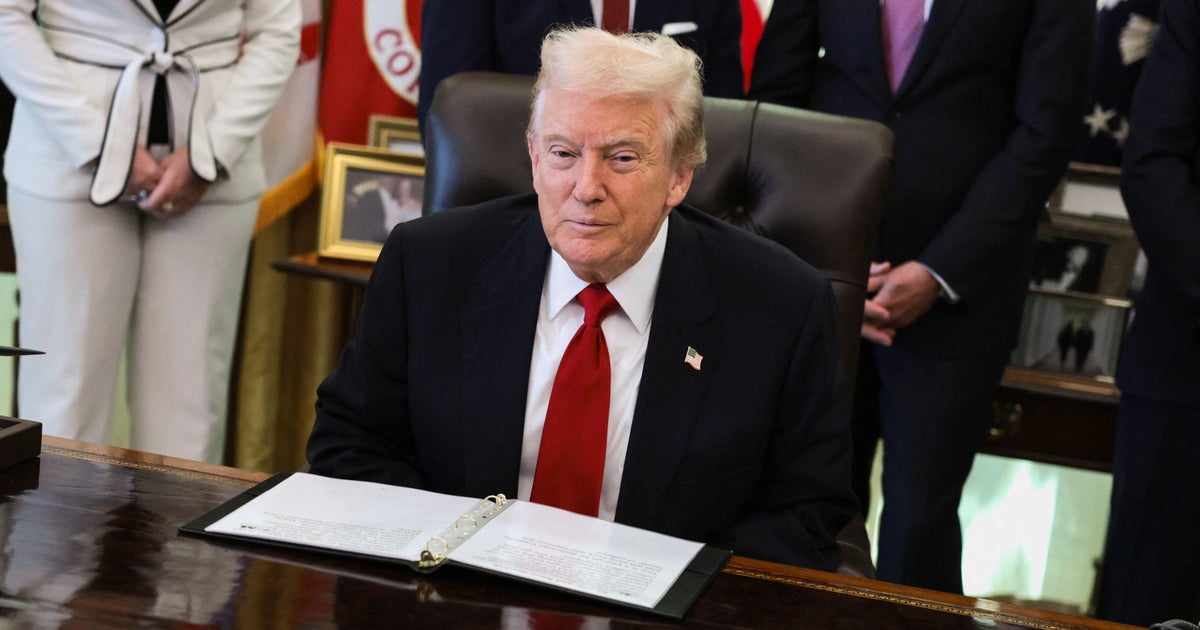
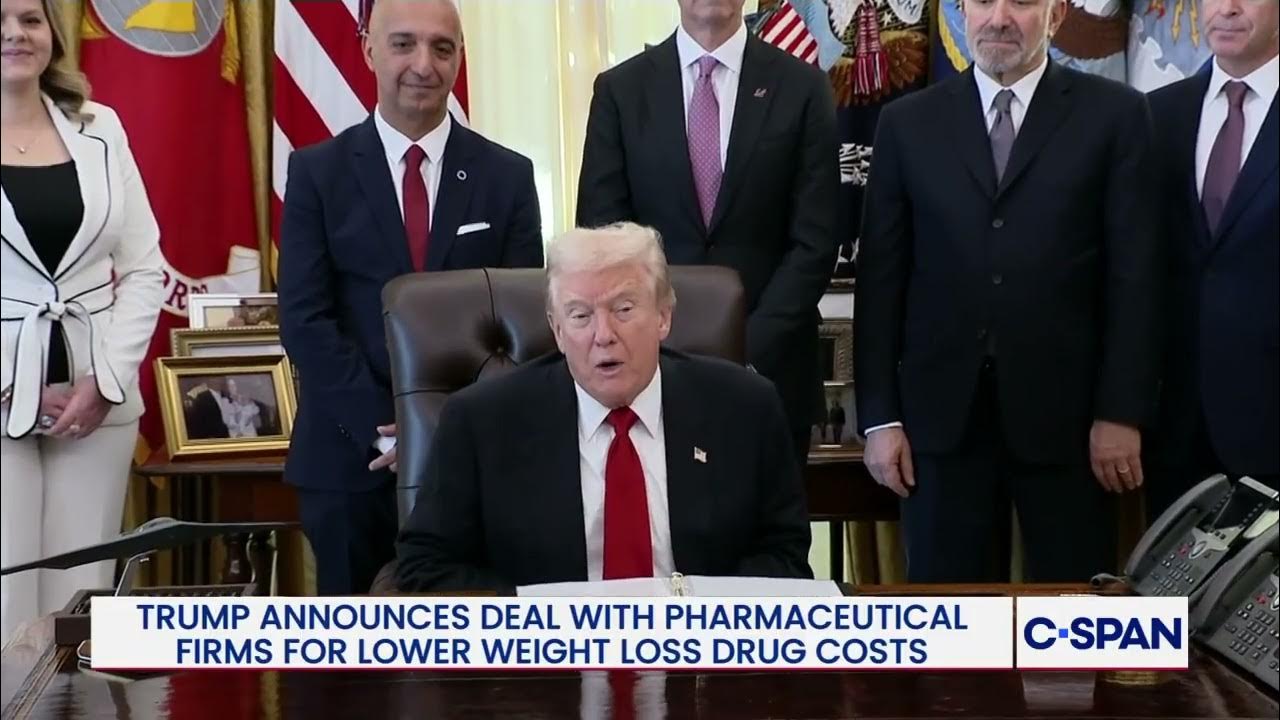
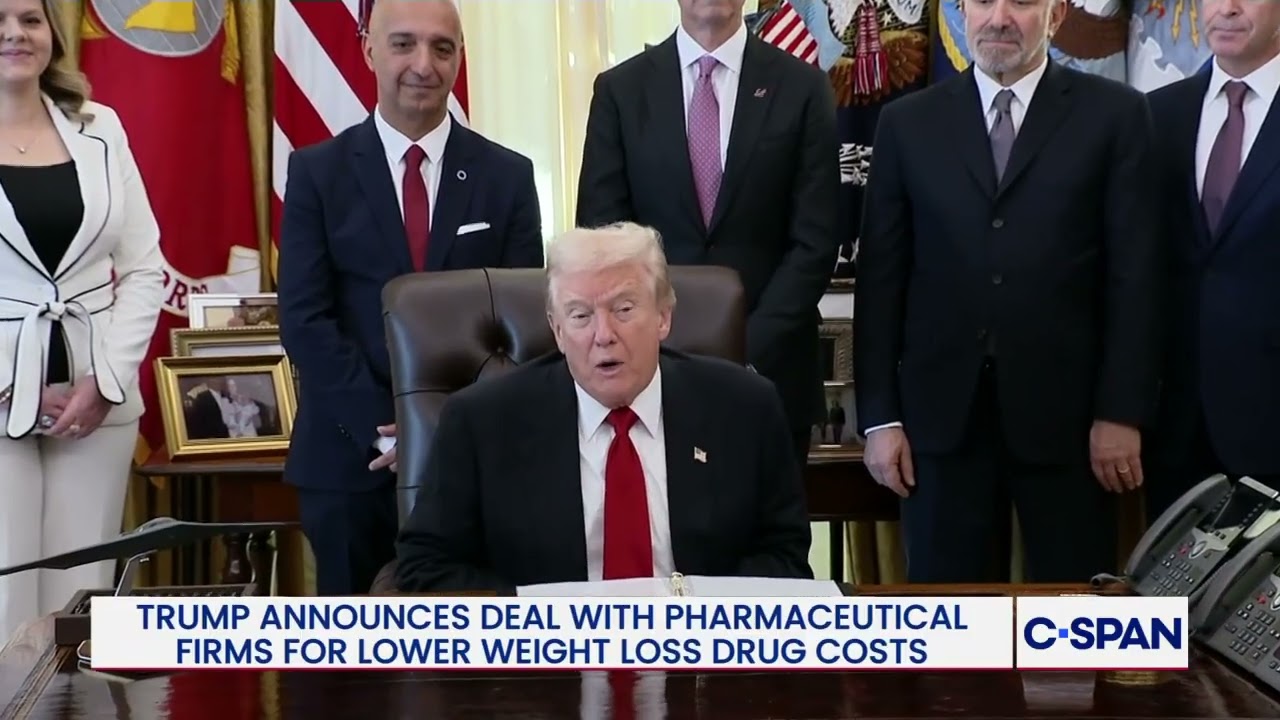
President Trump announced Thursday that Eli Lilly and Novo Nordisk will discount their GLP-1 medicines for certain Medicare and Medicaid patients and for shoppers on a planned government drug site called TrumpRx. At the Oval Office event, he used his own nickname for the drugs, saying the companies had agreed to offer "their most popular GLP-1 weight loss drug — I call it the fat drug, remember — at drastic discounts" [1][3].
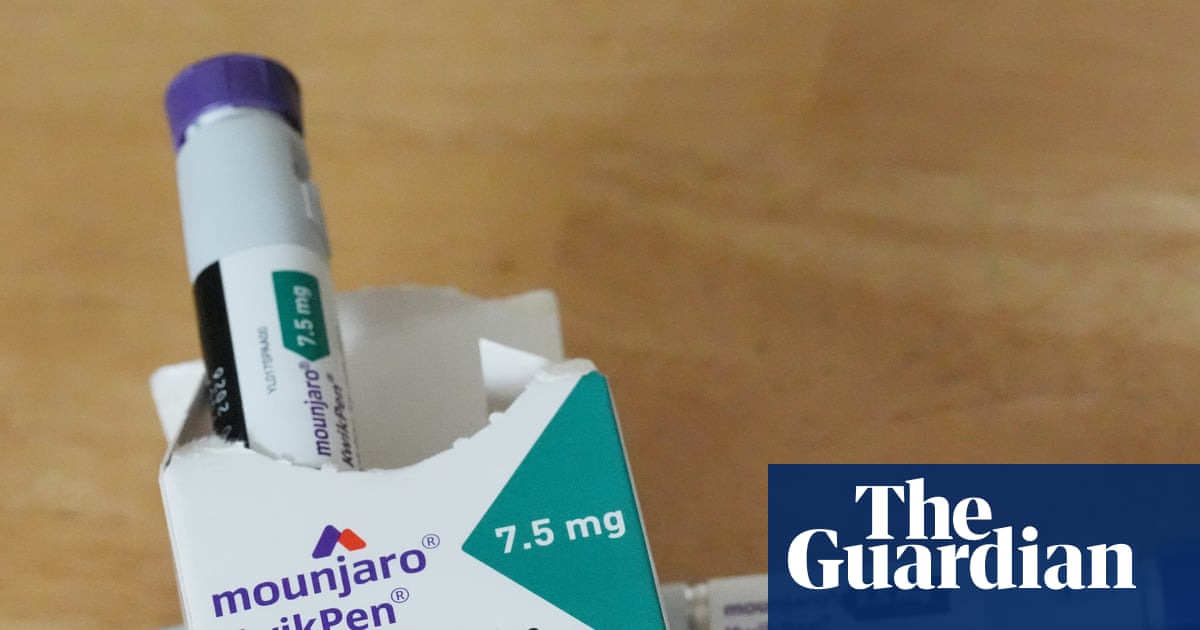
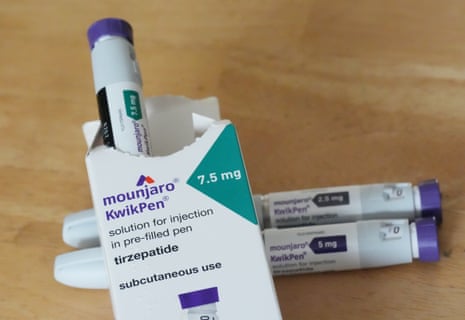
Administration officials put the typical monthly cost for eligible patients at $245 to $350, compared with current prices that reach $1,350 a month [1]. For Medicare and Medicaid patients who qualify, four brand-name products — Ozempic, Wegovy, Mounjaro and Zepbound — would cost $245, with Medicare enrollees paying a $50 copay [1]. Injections bought through TrumpRx would run about $350 a month when the site's pricing begins in January [1].
Trump described larger reductions in his own remarks, saying Wegovy's price would fall from $1,350 a month to "ultimately $250" and Zepbound's from $1,080 to $346 [3]. The Guardian reported the administration's figure of roughly $350, expected to "trend down" to $245 over two years [2].
Oral GLP-1 pills still in development would sell for $149 a month for a starting dose through TrumpRx if regulators clear them; The Guardian put that figure at $150 [1][2]. Trump also said both companies would sell their other medicines to Medicaid at most-favored-nation prices and that Lilly is investing $27 billion and Novo Nordisk $10 billion in US manufacturing [1][3].
Eligibility for the lower Medicare prices would be limited to three groups, according to senior administration officials: patients with a BMI above 27 who also have prediabetes or have had a stroke, heart attack or peripheral artery disease; patients with a BMI above 30 plus stage-three kidney disease or another qualifying condition; and patients with a BMI above 35 [1]. Officials estimated roughly 10 percent of Medicare patients would qualify [1].
"This is not about losing weight — this is about making America healthy again," one official said, describing the goal as preventing strokes and end-stage renal disease and acknowledging the plan "constrain[s] the access" to patients most likely to benefit [1].
The agreement would open Medicare coverage of Wegovy and Zepbound for obesity for the first time; currently only patients with diabetes or conditions such as heart disease or sleep apnea qualify [2]. Health and Human Services Secretary Robert F. Kennedy Jr. said he expects Americans to collectively lose 125 million pounds by this time next year [2]. Dr. Mehmet Oz, who heads the Centers for Medicare & Medicaid Services, said covering more people should be budget-neutral within two years once savings on obesity-related illness are counted [2]. One official projected about $170 billion in long-run savings [1]. About 40 percent of US adults have obesity, according to CDC figures cited by CBS News [1].
Kennedy said the talks took "months and months," and Trump said of the drugmakers, "You think it was easy dealing with these people? It wasn't" [1]. The event ended early when a company guest fainted; the White House said the man was fine, and Lilly said he had a "brief medical situation" [1].
Analysts told CBS News that the "most-favored-nation" pricing pledge may do little for Medicaid, since the program already has a statutory guarantee of the lowest price offered to any US purchaser, and Medicaid enrollees generally pay nothing out of pocket [1].
Why it matters for patients
The announced prices sit below what the companies charge today for direct purchases: Wegovy is $499 a month, and Zepbound is $349 for the lowest dose, rising to $499 at higher doses [2]. Access still hinges on the condition list, and officials said only about one in ten Medicare patients would meet it [1].
Medicaid participation is left to states, so timing and availability would vary, and officials gave no uniform start date [1]. Nothing has been announced about prices or coverage for people with commercial insurance, and how the different figures — the officials' $245-to-$350 range, the two-year slide to $245, and Trump's $250 and $346 — would fit together has not been explained [1][2][3].
What happens next
TrumpRx is expected to open, with prices, as early as the end of this year [1][3]. TrumpRx pricing starts in January [1]. Officials hope Medicare pricing begins in mid-2026, likely by July [1]. Oral GLP-1 drugs could reach the market in the coming months if approved [2]. Kennedy said new dietary guidelines are coming soon [1].
Images from the sources
Sources
Semaglutides.org provides information only, not medical advice. Talk to a licensed provider about your own care before making changes. Some telehealth links are affiliate links and are labeled where they appear.