Cornell and Numerator quantify how GLP-1 use changes the grocery cart
A Cornell study of about 150,000 US households found grocery spending fell 5.3% within six months of starting a GLP-1, with the biggest drops in snacks and sweets [1].
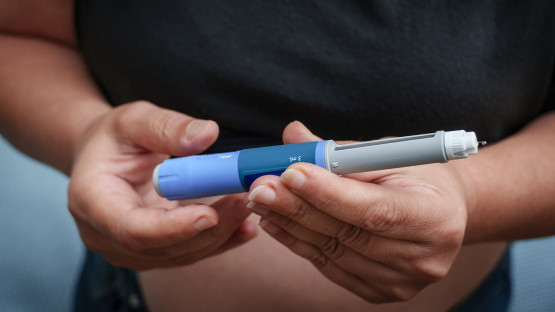
Households that started taking GLP-1 drugs such as Ozempic and Wegovy cut their grocery spending by an average of 5.3% within six months, according to a study published Dec. 18 in the Journal of Marketing Research [1]. Spending at fast-food chains, coffee shops and other limited-service restaurants fell by about 8% [1].
The research, by Cornell assistant professor Sylvia Hristakeva and professor Jura Liaukonyte of the Charles H. Dyson School of Applied Economics and Management, linked survey answers about GLP-1 use to actual purchase records from Numerator, a market research firm that tracks grocery and restaurant transactions for a nationally representative panel of about 150,000 US households [1]. Most earlier work on this question relied on people reporting their own eating habits; this analysis used scanned transactions and compared people who started the drugs with similar households that did not [1].
What the carts looked like
The cuts were not spread evenly across the store. Spending on savory snacks dropped about 10%, with similar declines in sweets, baked goods and cookies [1]. Even basics like bread, meat and eggs fell [1]. Only a few categories rose: yogurt increased the most, followed by fresh fruit, nutrition bars and meat snacks [1].
"The main pattern is a reduction in overall food purchases. Only a small number of categories show increases, and those increases are modest relative to the overall decline," Hristakeva said [1].
Income mattered. Among higher-income households, the grocery drop exceeded 8% [1]. The study also tracked how common these drugs have become: the share of US households reporting at least one GLP-1 user rose from about 11% in late 2023 to more than 16% by mid-2024 [1]. People using them for weight loss skewed younger and wealthier, while those using them for diabetes were older and spread more evenly across income levels [1].
What happened when people stopped
About one-third of users in the study stopped taking the medication during the period studied [1]. When they did, food spending returned to pre-adoption levels, and their grocery baskets became slightly less healthy than before they started, partly because of more spending on categories like candy and chocolate [1].
Among people who kept taking the drugs, the lower food spending lasted at least a year, though the size of the reduction shrank over time [1].
"The data show clear changes in food spending following adoption," Hristakeva said. "After discontinuation, the effects become smaller and harder to distinguish from pre-adoption spending patterns" [1].
The authors caution that the study cannot fully separate the biological effect of the drugs from other lifestyle changes people may make at the same time [1]. Still, they say clinical trial evidence plus the reversal in spending after people stop suggests appetite suppression is likely a key driver [1].
Why it matters for patients
This is spending data, not clinical data. It does not measure health outcomes, weight change, or nutrition quality directly, and it does not say anything about how any one person should eat.
But two findings are worth noting. First, the household-level dollar changes are real and measurable, which means part of the cost of these medications may be offset by lower grocery and restaurant bills, though the study does not calculate whether those savings come close to drug prices [1]. Second, the pattern after discontinuation is a reminder that the spending changes appear tied to ongoing use: when people in this panel stopped, their purchases went back to where they started, and slightly less healthy than before [1].
The study also gives food companies a hard number to work with. The authors note that widespread GLP-1 use could shift demand over the long term, especially for snack foods and fast food, and that package sizes, formulations and marketing may change as a result [1]. For shoppers, that could eventually mean more smaller-portion and higher-protein products on shelves, though the study does not document specific products or brands.
"At current adoption rates, even relatively modest changes at the household level can have meaningful aggregate effects," Hristakeva said. "Understanding these demand shifts is therefore important for assessing food markets and consumer spending" [1].
What happens next
The paper was published Dec. 18, 2025 [1]. The data run through mid-2024, so it is not yet known how the pattern holds as adoption grows further, as newer medications reach the market, or as prices change [1]. The study also does not break results out by specific drug, so whether semaglutide and tirzepatide users shop differently from one another is not addressed in the sources.
Sources
Semaglutides.org is for information only and is not medical advice. Always talk to a licensed healthcare provider about your own care. Some links to telehealth services are affiliate links, labeled where they appear.