FDA approval of the Wegovy pill opens the highest-growth new query cluster on the topic
The FDA approved once-daily oral semaglutide 25 mg under the Wegovy name on December 22, 2025, adding a fourth semaglutide product and raising new questions about which pill is which.
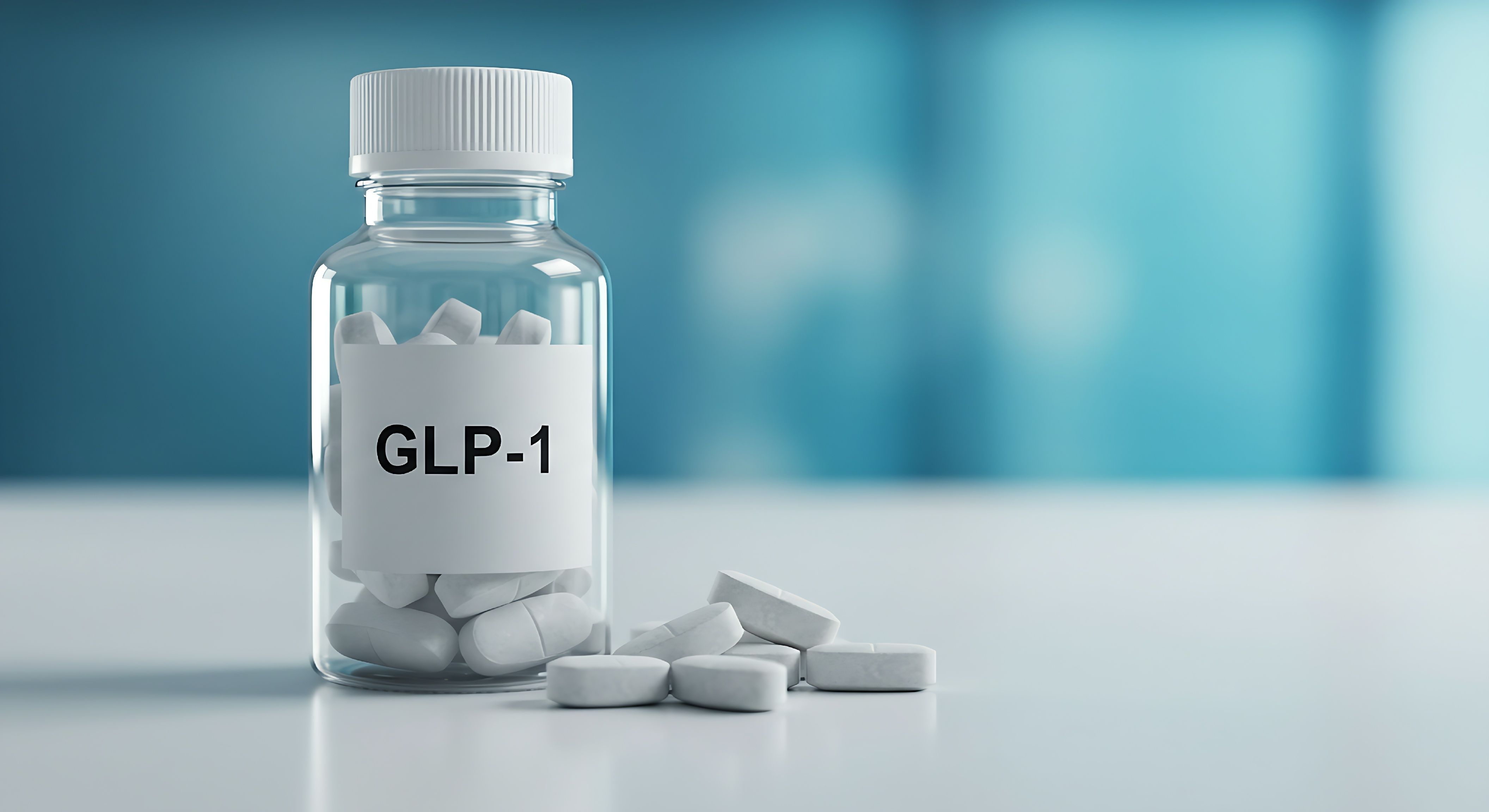
The FDA has approved a 25 mg once-daily oral form of semaglutide, sold under the Wegovy name, for chronic weight management and to reduce the risk of major adverse cardiovascular events (MACE) [1]. Novo Nordisk says it plans to launch the pill in the US in early January 2026 [1].
It is the first oral GLP-1 receptor agonist cleared for weight management [1][2]. "The pill is here. With today's approval of the Wegovy pill, patients will have a convenient, once-daily pill that can help them lose as much weight as the original Wegovy injection," said Mike Doustdar, president and CEO of Novo Nordisk [1][2].
What the trial showed
The approval rests on the OASIS clinical trials and the SELECT trial [1]. OASIS 4 enrolled 307 adults without diabetes who had obesity or overweight — a body mass index of 30 or higher, or 27 or higher with at least one weight-related complication. Of those, 205 received oral semaglutide and 102 received placebo [1].
At week 64, mean body weight fell 13.6% with oral semaglutide versus 2.2% with placebo (95% CI, −13.9 to −9.0; P < .001) [1][2]. Using a separate analysis that assumes people stayed on treatment as assigned, the figures were −16.6% for oral semaglutide and 2.7% for placebo [1]. The relative weight reduction was similar across baseline BMI subgroups, with no evidence the effect varied by sex, race or ethnic group [1].
Adverse events were reported by 93.1% of people on the pill and 85.3% on placebo, and were mostly mild or moderate, with no permanent discontinuations reported [1]. Gastrointestinal problems were the most common, at 74.0% versus 42.2% [1]. Pharmacy Times notes that nausea, vomiting, diarrhea and constipation were most frequent during dose escalation, and that label warnings for pancreatitis, gallbladder disease and thyroid C-cell tumors remain in the prescribing information, as with the injection [2].
A crowded shelf of semaglutide pills
The new approval is not the first semaglutide tablet. Oral semaglutide was first approved in 2019 for type 2 diabetes, when it became the first oral GLP-1 cleared by the FDA [1]. More recently, the FDA expanded the indication for semaglutide tablets at 7 mg and 14 mg to reduce MACE risk in adults with type 2 diabetes at elevated risk, including people without a prior heart attack or stroke [1]. Those lower-strength diabetes tablets are a different product from the 25 mg weight-management pill now approved under the Wegovy name [1]. The sources do not state brand names for the diabetes tablets, and they do not address how pharmacies or prescribers will distinguish the products at the counter.
A fourth oral option is in the pipeline: Eli Lilly has submitted orforglipron, an investigational once-daily non-peptide oral GLP-1 that can be taken without restrictions on food or water, to the FDA for review [1]. In the phase 3 ATTAIN-MAINTAIN trial, people who switched from semaglutide to orforglipron saw a change in body weight of −0.1 kg from baseline to 24 weeks, compared with 9.4 kg for placebo [1]. The sources do not give a review timeline or approval date for orforglipron.
Why it matters for patients
For people weighing options, the practical upshot is that "semaglutide pill" no longer means one thing. There is now a 25 mg tablet indicated for weight management and cardiovascular risk reduction, plus 7 mg and 14 mg tablets indicated for type 2 diabetes and MACE risk reduction [1]. Strength, indication and brand labeling all differ, which matters for prescriptions, prior authorization and insurance coverage.
Cost and coverage are not addressed in the sources. Pharmacy Times says the oral formulation may reshape payer dynamics and prescribing patterns, and that pharmacists will need to track coverage criteria and prior authorization requirements, but no list price or copay figures were reported [2]. The approval also lifted Novo Nordisk's stock price, analysts told Investor's Business Daily [2].
One argument for a pill is staying on treatment. "The oral option could improve long-term adherence by offering patients a non-injectable alternative with similar metabolic benefits," said W. Timothy Garvey, MD, of the University of Alabama at Birmingham, a lead for the oral semaglutide trial site there [1].
What happens next
The launch is set for early January 2026 in the US [1]. Whether supply, pricing and coverage keep pace is not yet known from the available sources.
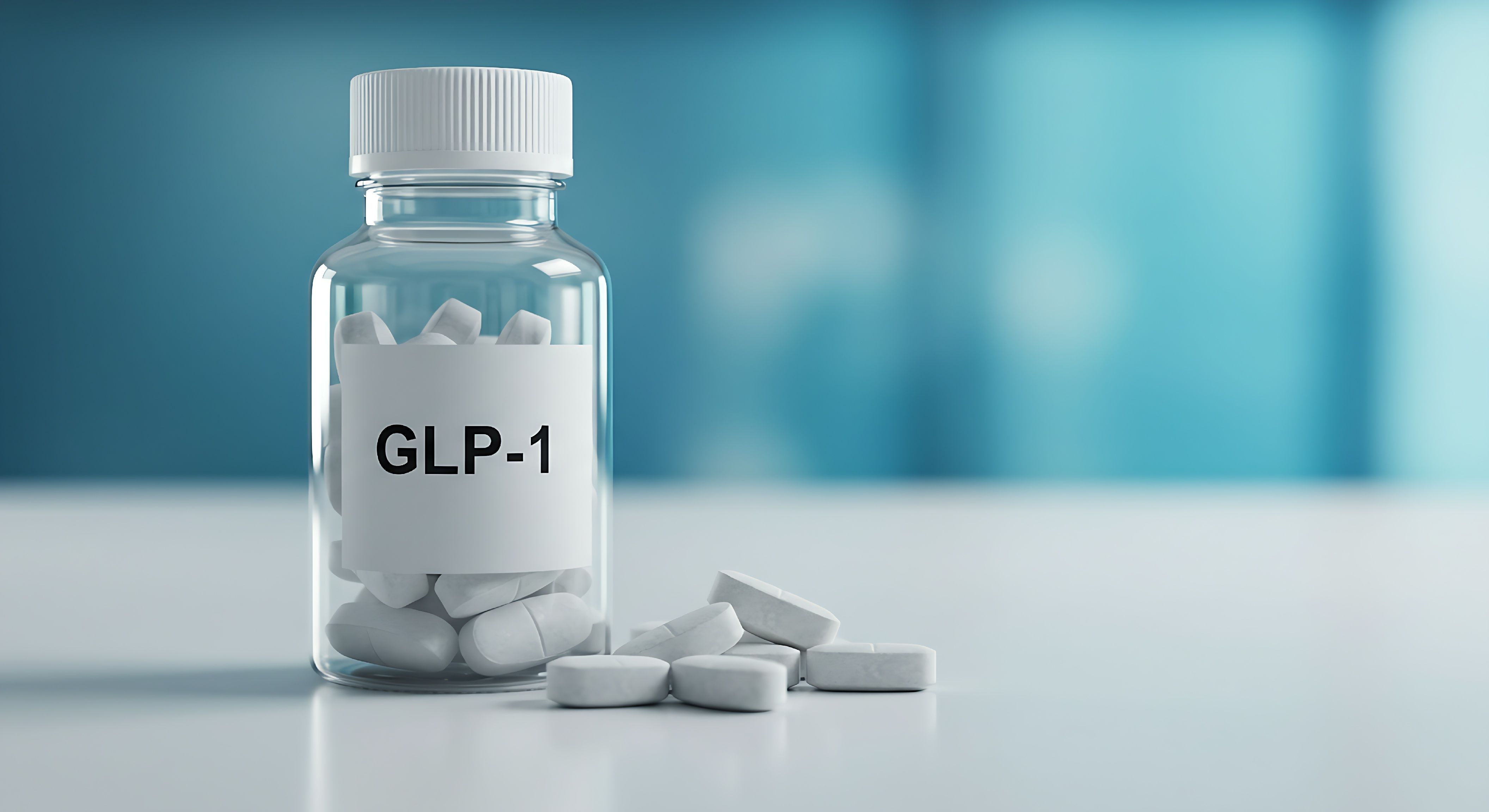
Images from the sources
Sources
Semaglutides.org is for information only and is not medical advice. Always talk to a licensed healthcare provider about your own care. Some links to telehealth services are affiliate links, labeled where they appear.