Large analysis finds no increase in obesity-related cancers with GLP-1 drugs
A large analysis of 48 randomized trials found no higher risk of thyroid, pancreatic, breast, and other obesity-related cancers among people taking GLP-1 drugs like Ozempic, Wegovy, and Mounjaro compared with placebo.[1]
A new systematic review and meta-analysis published in Annals of Internal Medicine found that GLP-1 drugs do not raise the risk of obesity-related cancers, based on data pooled from randomized controlled trials.[1] The finding pushes back against earlier signals from some meta-analyses that had raised concerns about cancer risk with these medications.[1]
Researchers led by Cho-Han Chiang, MD, a hematology/oncology fellow at Northwell Health Cancer Institute, analyzed 48 trials involving 94,245 participants who had type 2 diabetes, overweight, or obesity.[1] Of those trials, 26 enrolled people with type 2 diabetes, 18 enrolled people with overweight or obesity, and four enrolled people with both conditions.[1] The median follow-up was 70 weeks, and the most commonly studied drugs were semaglutide, used in 42% of trials, and liraglutide, used in 21% of trials.[1]
The analysis found no difference in the odds of thyroid cancer, pancreatic cancer, breast cancer, kidney cancer, colorectal cancer, esophageal cancer, liver cancer, gallbladder cancer, ovarian cancer, endometrial cancer, multiple myeloma, or meningioma between people taking GLP-1 drugs and those taking a placebo.[1] The certainty of evidence was rated moderate for thyroid, pancreatic, breast, and kidney cancers, and low for the other cancer types studied, largely because of imprecision in the data.[1]
The results held up when researchers broke the data down by trial length, by whether patients had diabetes or obesity, and by whether the drug studied was a GLP-1 alone or a dual agonist like tirzepatide.[1] The findings also did not change when studies with a higher risk of bias were excluded, or when trials of drugs other than semaglutide and tirzepatide were removed.[1]
Chiang noted that this result differs from some earlier observational studies, which had found GLP-1 use was associated with a reduced cancer risk.[1] He attributed the discrepancy to differences in study design—randomized trials versus observational data—and to differences in how long patients were followed.[1] Randomized trials in this analysis tended to have shorter follow-up periods, which limits what they can show about cancer, a disease that often takes years to develop or be detected.[1]
Why it matters for patients
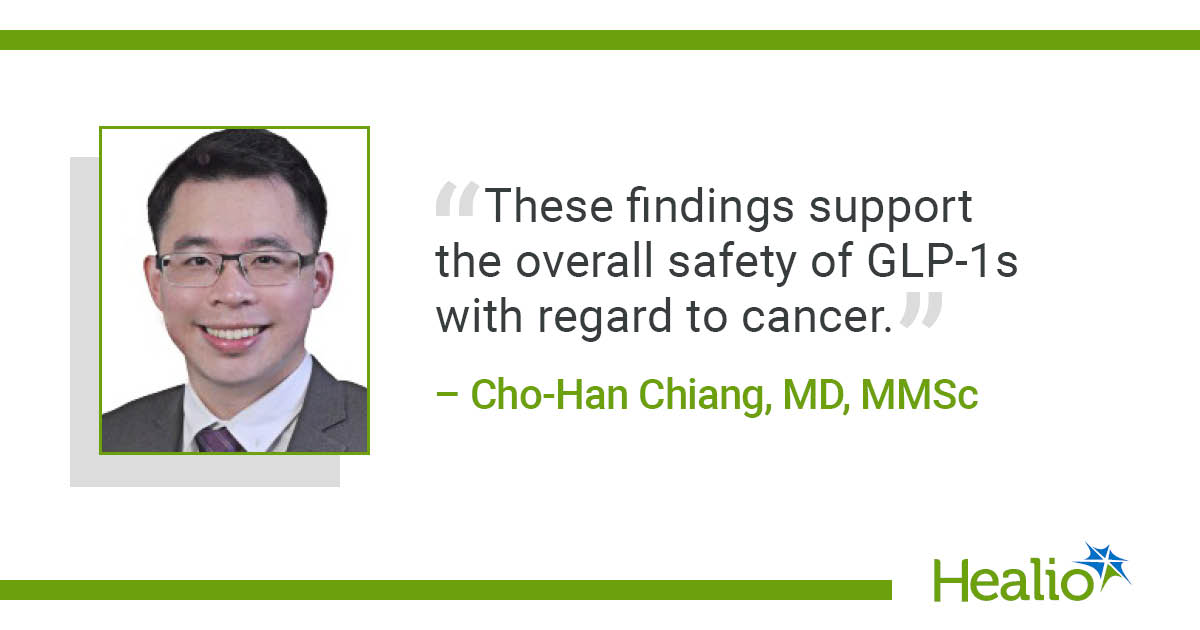
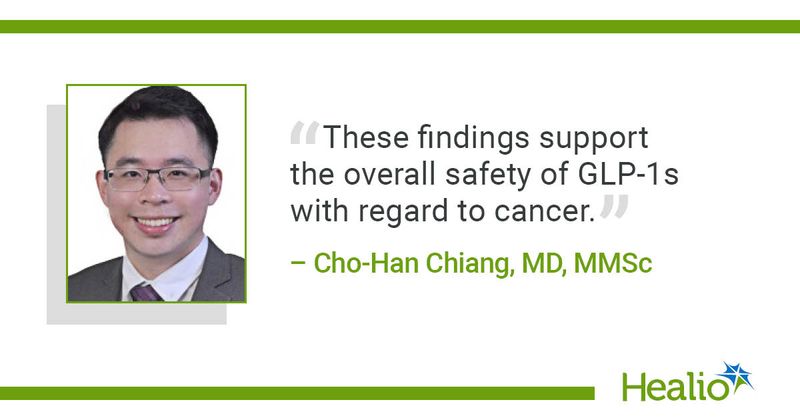
For people currently taking or considering semaglutide (Ozempic, Wegovy, Rybelsus) or tirzepatide (Mounjaro, Zepbound), this analysis adds evidence that, within the timeframes studied so far, these drugs are not linked to a higher rate of several cancers tied to obesity.[1] That includes thyroid and pancreatic cancer, two types that had drawn particular concern in the past.[1] Chiang said the findings "support the overall safety of GLP-1s with regard to cancer," which he called important given how widely these drugs are now used for diabetes, obesity, and cardiometabolic disease.[1]
At the same time, the study has real limits. The median follow-up across trials was about 70 weeks, which is far shorter than the years or decades it can take for some cancers to develop.[1] The researchers rated the certainty of evidence as only moderate or low for every cancer type examined, reflecting the relatively small number of cancer cases captured in trials not originally designed to study cancer outcomes.[1]
What happens next
Chiang said long-term studies, whether randomized or observational, with at least five years of follow-up and cancer outcomes defined in advance are needed to clarify whether GLP-1 drugs carry any long-term cancer risks or benefits.[1] No specific timeline for such studies was given in the source material.
Images from the sources
Sources
Semaglutides.org is for information only and is not medical advice. Always talk to a licensed healthcare provider about your own care. Some links to telehealth services are affiliate links, labeled where they appear.