EU declines a separate HFpEF indication for tirzepatide but adds the SUMMIT data to the label
EU regulators said tirzepatide cut heart failure hospitalizations in people with obesity and HFpEF but refused a separate indication, adding the trial data to the label instead [1].
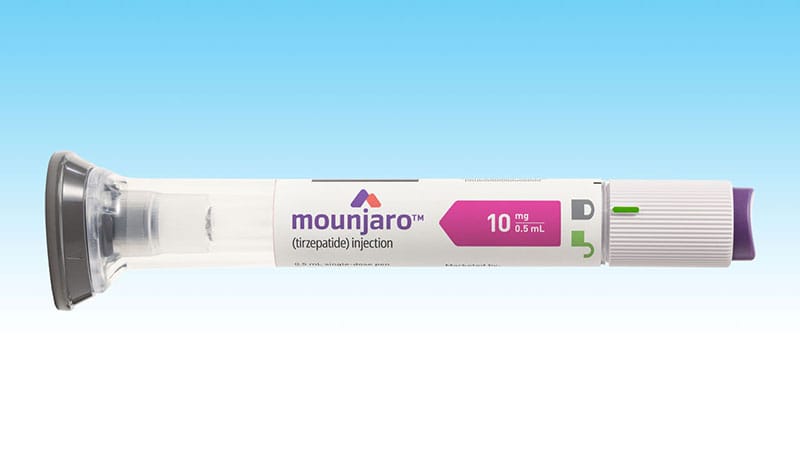
The European Medicines Agency said on January 30, 2026 that it had finished reviewing Eli Lilly's application to extend Mounjaro (tirzepatide) to treat symptomatic chronic heart failure with preserved ejection fraction (HFpEF) in adults with obesity. The agency declined to grant a separate HFpEF indication, but agreed to add the trial results to the medicine's product information so doctors can see them [1]. The Committee for Medicinal Products for Human Use made the call [2][3].
HFpEF is a form of heart failure in which the heart muscle becomes stiff and cannot relax and fill properly between beats, so it pumps out less blood than the body needs. Symptoms include shortness of breath, fatigue, and swelling, usually in the ankles and feet [1].
What the trial showed
The application rested on the SUMMIT study, which enrolled 731 adults with obesity and chronic HFpEF. Participants had class II-IV heart failure, an ejection fraction of at least 50%, and a BMI of at least 30, and were randomly assigned to tirzepatide (up to 15 mg injected under the skin once a week) or placebo for at least 52 weeks [3].
The main measures were the change in heart failure symptoms and their effect on daily life, scored with a questionnaire called the KCCQ-CSS at 52 weeks, plus the number of cardiovascular deaths or worsening heart failure events. Those events included hospitalizations for heart failure, urgent visits for heart failure, and increases in diuretic (water pill) treatment [1].
The composite endpoint of adjudicated cardiovascular death or a worsening heart failure event occurred in 36 patients (9.9%) taking tirzepatide versus 56 patients (15.3%) on placebo, a hazard ratio of 0.62 with a P value of .026 [3]. EMA acknowledged that tirzepatide significantly reduced heart failure hospitalizations and improved quality of life, but did not reduce deaths from heart and circulatory problems [1].
Why the EMA said no to a separate indication
The agency gave two reasons. First, uncertainty remains about whether the heart failure benefit is independent of weight loss, or simply a result of losing weight [1][3]. Second, EMA said people with obesity and HFpEF are already covered by the drug's existing weight management indication, so a separate HFpEF indication "is not needed" [1].
In the EU, Mounjaro has been authorized since September 2022 for adults, adolescents and children aged 10 and up with inadequately controlled type 2 diabetes, and for weight management in people with a BMI of 30 or more, or a BMI between 27 and 30 with weight-related health problems such as diabetes, high blood fats, high blood pressure, or obstructive sleep apnea [1]. EMA noted that obesity is an established risk factor for heart failure and that losing excess weight can improve HFpEF symptoms [1].
Why it matters for patients
This is a European regulatory decision. What US labels say about tirzepatide and HFpEF is not addressed in these sources, so American patients should not assume this changes anything about Mounjaro or Zepbound in the United States.
The practical point is about how an official label frames evidence. EMA did not dispute the SUMMIT numbers; it questioned whether the benefit is a direct heart effect or a downstream effect of weight loss, and concluded a stand-alone indication would not expand who can be treated in the EU anyway [1]. For patients, that distinction can matter to insurers and prescribers, who often look to the approved indication when deciding coverage. Adding the data to the prescribing information is a middle path: clinicians see the results, but there is no new licensed use to point to [1][3].
It is also a reminder that improving hospitalizations and symptom scores is not the same as extending life. In SUMMIT, cardiovascular deaths were not reduced [1]. The sources do not report how much of the benefit was explained by weight loss, nor do they give the KCCQ-CSS point difference.
EMA also noted the most common side effects reported with tirzepatide are gastrointestinal, including nausea, vomiting, constipation and diarrhea, usually mild to moderate and more frequent after dose changes [3].
What happens next
EMA said the prescribing information will be updated to include the SUMMIT data [1]. The company told the agency there are no consequences for patients in clinical trials using Mounjaro, and EMA advised anyone in a trial who wants more information to speak with their trial doctor [1]. No timeline for the label update appears in the sources.
Sources
- https://www.ema.europa.eu/en/documents/medicine-qa/questions-answers-outcome-assessment-use-mounjaro-treatment-heart-failure-preserved-ejection-fraction-adults-obesity_en.pdf
- https://endpoints.news/chmp-opposes-lillys-mounjaro-in-heart-failure-backs-novos-kayshild/
- https://www.medscape.com/viewarticle/heart-failure-data-added-glp-1-prescribing-info-2026a100032b
Semaglutides.org is for information only and is not medical advice. Always talk to a licensed healthcare provider about your own care. Some links to telehealth services are affiliate links, labeled where they appear.