FDA asks drugmakers to drop the suicidal thoughts warning from GLP-1 labels
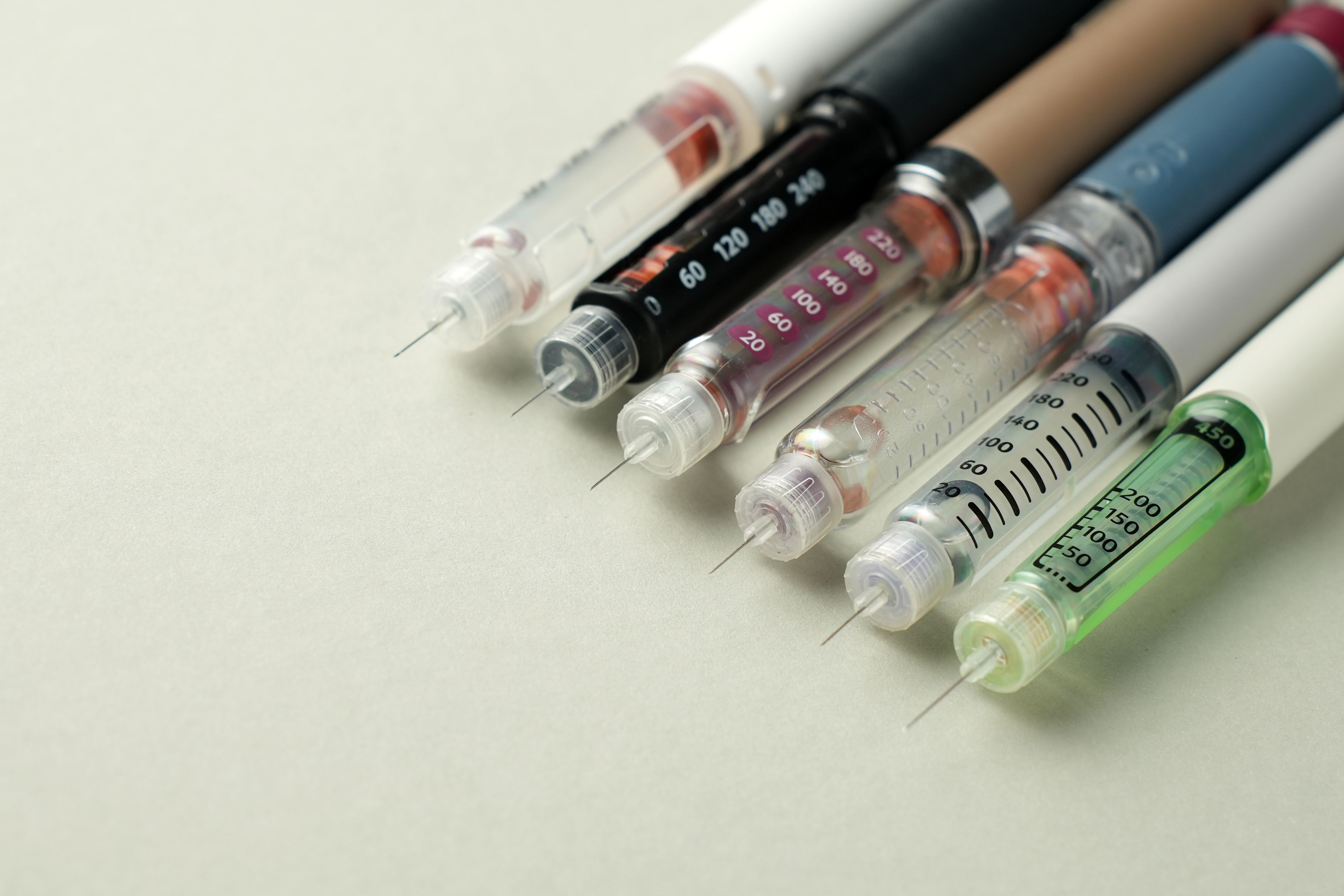
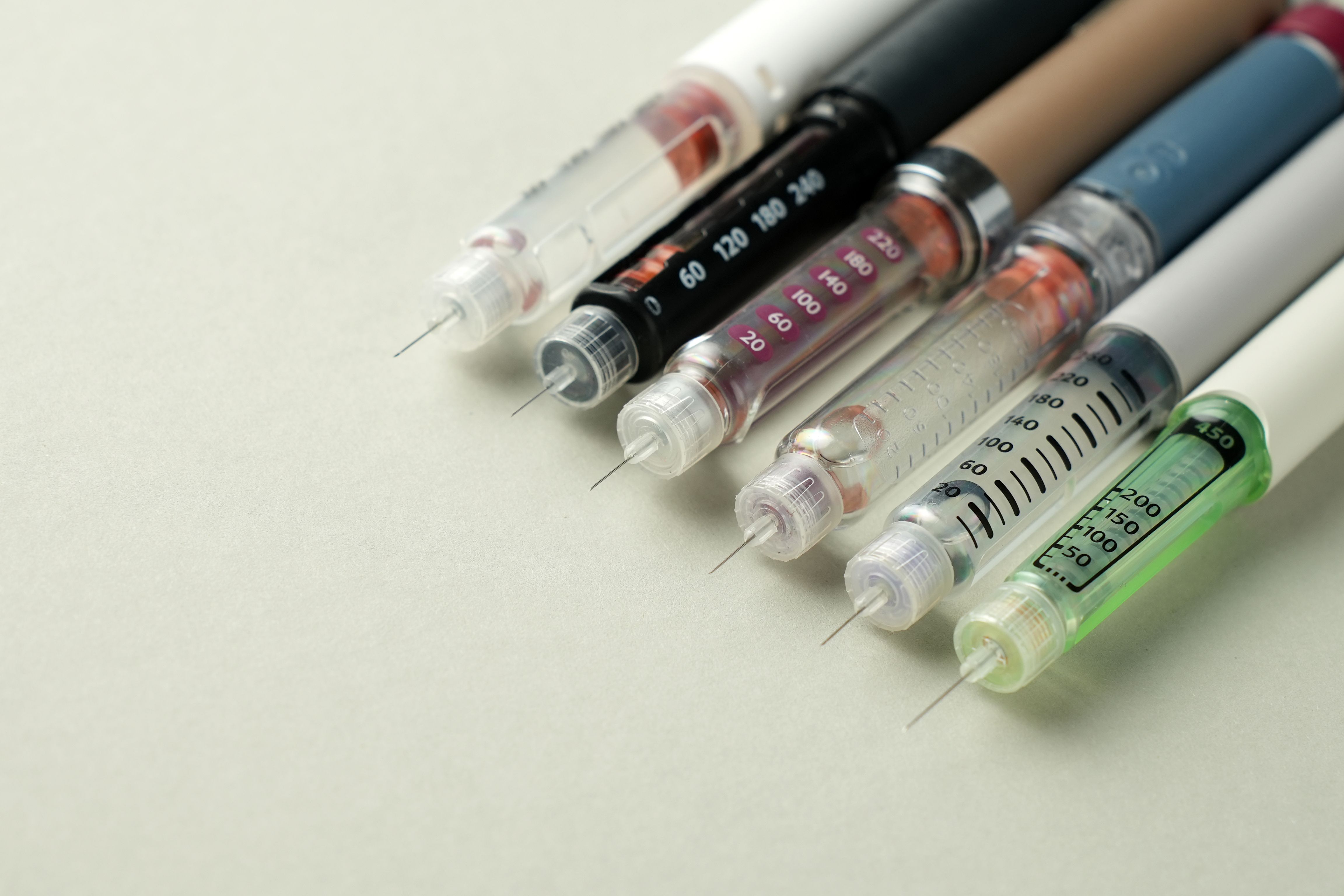
The FDA says a pooled analysis of 91 trials with 107,910 patients found no added risk of suicidal thoughts or behavior, and asked Novo Nordisk and Eli Lilly to drop that warning from Saxenda, Wegovy and Zepbound labels.
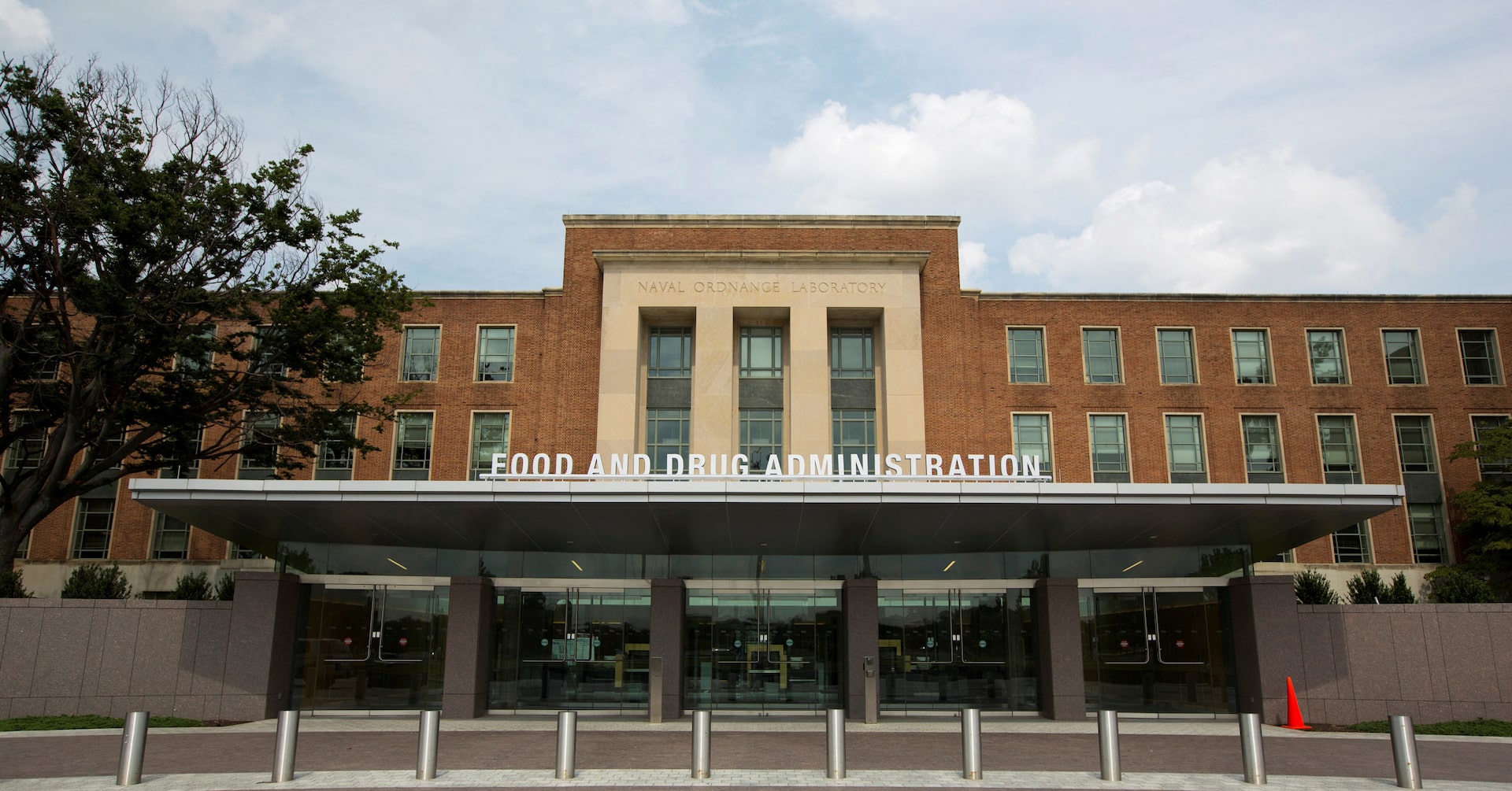
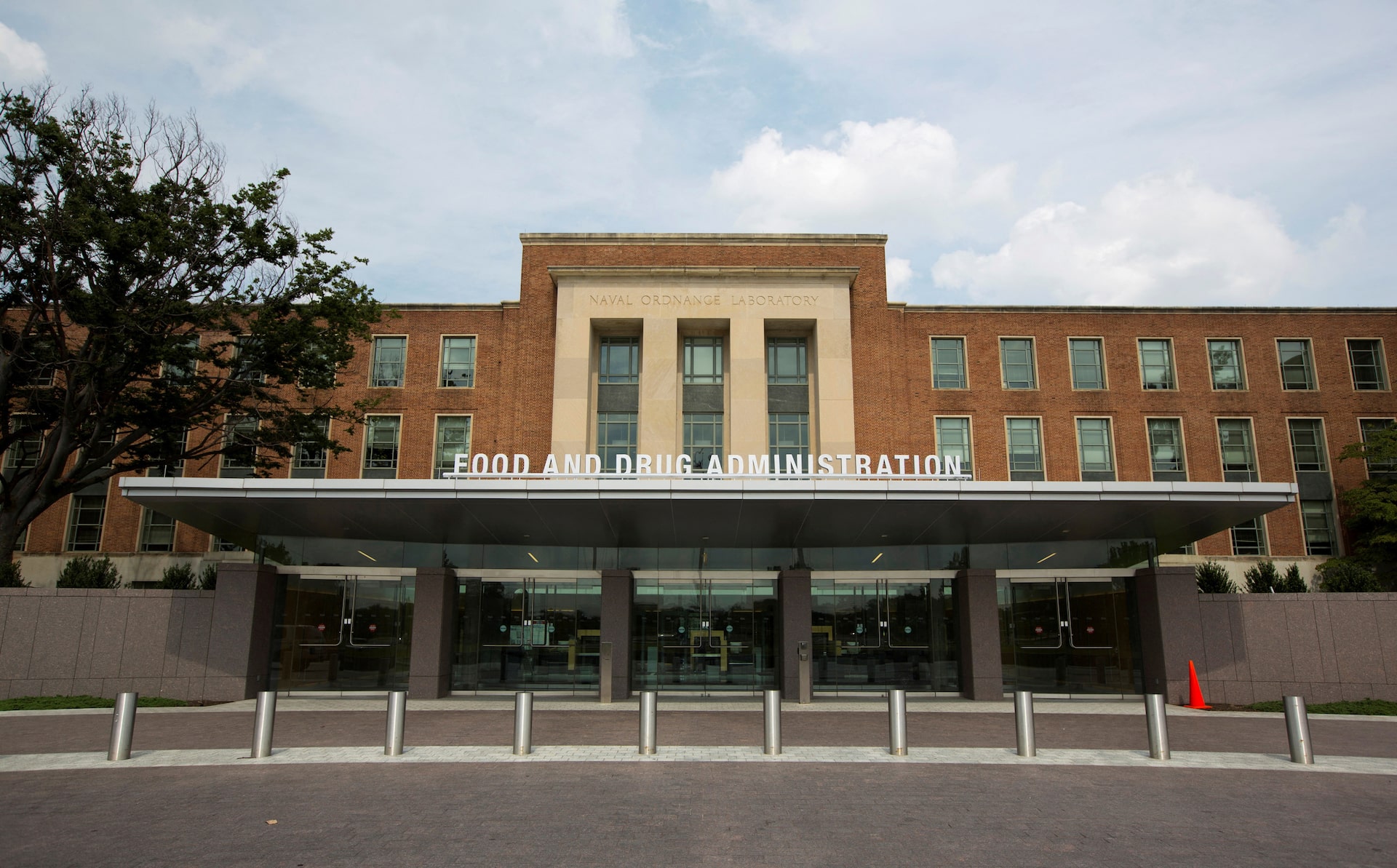
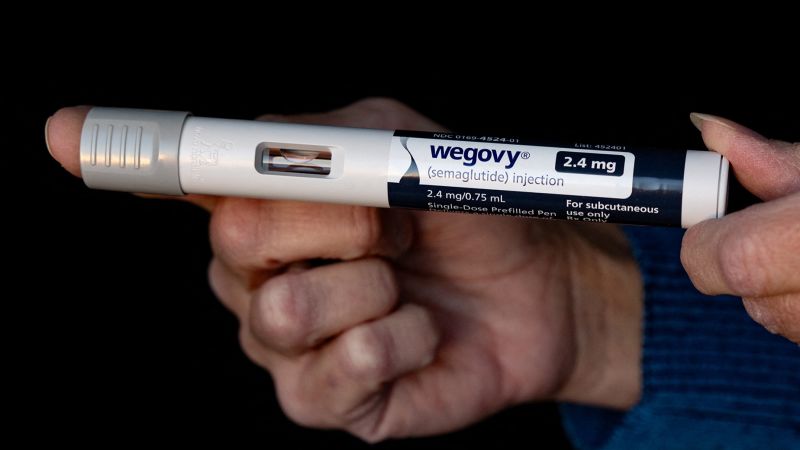
The FDA on January 13, 2026 asked drugmakers to remove the warning about suicidal thoughts and behavior from the labels of three weight-loss drugs: Saxenda (liraglutide), Wegovy (semaglutide) and Zepbound (tirzepatide) [1]. The request follows a review that the agency says found no increased risk of suicidal ideation or behavior (SI/B) with GLP-1 receptor agonist medicines [1][2].
What the FDA reviewed
The centerpiece is a meta-analysis pooling 91 placebo-controlled trials from GLP-1 drug development programs, covering 107,910 patients — 60,338 who got a GLP-1 drug and 47,572 who got placebo [1][6]. The results showed no increased risk of suicidal ideation or behavior, and no increase in other psychiatric side effects such as anxiety, depression, irritability or psychosis [1][4].
The agency also ran a retrospective cohort study using insurance claims data from the FDA Sentinel System, comparing new users of GLP-1 drugs with new users of SGLT2 inhibitors among people with type 2 diabetes. That analysis included 2,243,138 people (1,161,983 starting a GLP-1 and 1,081,155 starting an SGLT2 inhibitor) across 10 data partners between October 1, 2015 and September 20, 2023 [1][6]. After adjusting for baseline differences, the FDA found no increased risk of intentional self-harm in GLP-1 users, including in the subgroup who had both type 2 diabetes and obesity [6]. A review of published observational and pooled studies reached the same conclusion: the totality of evidence "does not support a causal relationship" between GLP-1 use and SI/B [1].
How the warning got there
The warning was never based on GLP-1 trial data. It was added at original approval because similar language appears on other weight-loss drugs, based on events seen with a variety of older medicines used or studied for weight loss [1][2]. Labels for GLP-1 drugs approved only for blood sugar control in type 2 diabetes never carried the SI/B language, so the change makes the class labeling consistent [1]. Labels for these drugs in the European Union do not carry such warnings [2].
The FDA began investigating in July 2023 after postmarketing reports of suicidal thoughts in patients taking GLP-1 medicines [1]. A Reuters review of the agency's adverse-event database in 2023 counted 265 reports of suicidal thoughts or behavior in patients on these or similar drugs since 2010 [2]. A preliminary FDA review published in January 2024 found no evidence of a link but could not rule out a small risk because so few cases appeared in any single trial [1][4].
A Novo Nordisk spokesperson said the company was happy to see the recommendation for Saxenda and Wegovy [2]. A Lilly spokesperson said the company appreciates "the FDA's careful consideration of this important safety issue" and will "continue to work with the FDA on next steps" [2].
Why it matters for patients
For people already taking these drugs, the practical effect is a change in the paperwork, not in the medicine. The FDA says patients should continue taking their medication as prescribed and discuss concerns with their health care professional [1]. The agency still advises telling a clinician about new or worsening depression, suicidal thoughts, or unusual changes in mood or behavior, and points to the 988 Suicide and Crisis Lifeline for free 24/7 support [1][6]. Clinicians are still told to refer anyone reporting suicidal thoughts or behavior to a mental health professional [1].
The change also removes a talking point that has shadowed the class since 2023. Reuters noted the move could ease a safety concern for a drug class being tested or used for conditions beyond weight loss, including cardiovascular disease, fatty liver disease and sleep apnea [2].
One caution: no study proves a risk is zero. The FDA's language is that it found no increased risk compared with placebo and no support for a causal link [1][6].
What happens next
Zepbound's label is already updated. FDA records show the agency issued its supplement request letter to Eli Lilly on January 13, 2026, and approved the change on February 25, 2026, deleting subsection 5.9 ("Suicidal Ideation and Behavior") from Warnings and Precautions and removing "depression or thoughts of suicide" from the Medication Guide [5]. That same supplement added language about severe gastrointestinal reactions reported after marketing, including intestinal obstruction and severe constipation with fecal impaction [5].
Exact timing for the Wegovy and Saxenda label updates is not stated in the available documents. Patients may see older printed Medication Guides in pharmacies until supplies turn over.
Images from the sources
Sources
- https://www.fda.gov/drugs/drug-safety-communications/fda-requests-removal-suicidal-behavior-and-ideation-warning-glucagon-peptide-1-receptor-agonist-glp
- https://www.reuters.com/business/healthcare-pharmaceuticals/us-fda-requests-removal-suicide-warnings-weight-loss-drugs-2026-01-13
- https://www.pharmacytimes.com/view/fda-finds-no-increased-suicide-risk-with-glp-1-medications-requests-removal-of-warning-labels
- https://www.cnn.com/2026/01/13/health/weight-loss-drugs-suicide-risk-warning-removal
- https://www.accessdata.fda.gov/drugsatfda_docs/appletter/2026/217806Orig1s042ltr.pdf
- https://www.fda.gov/media/190557/download
- https://dailymed.nlm.nih.gov/dailymed/drugInfo.cfm?setid=487cd7e7-434c-4925-99fa-aa80b1cc776b
Semaglutides.org is for information only and is not medical advice. Always talk to a licensed healthcare provider about your own care. Some links to telehealth services are affiliate links, labeled where they appear.