Lilly releases a short film reframing obesity care around health, not appearance
Eli Lilly released a new short film called "My Focus" that frames obesity as a health issue rather than an appearance issue, part of a marketing shift away from weight-loss imagery.
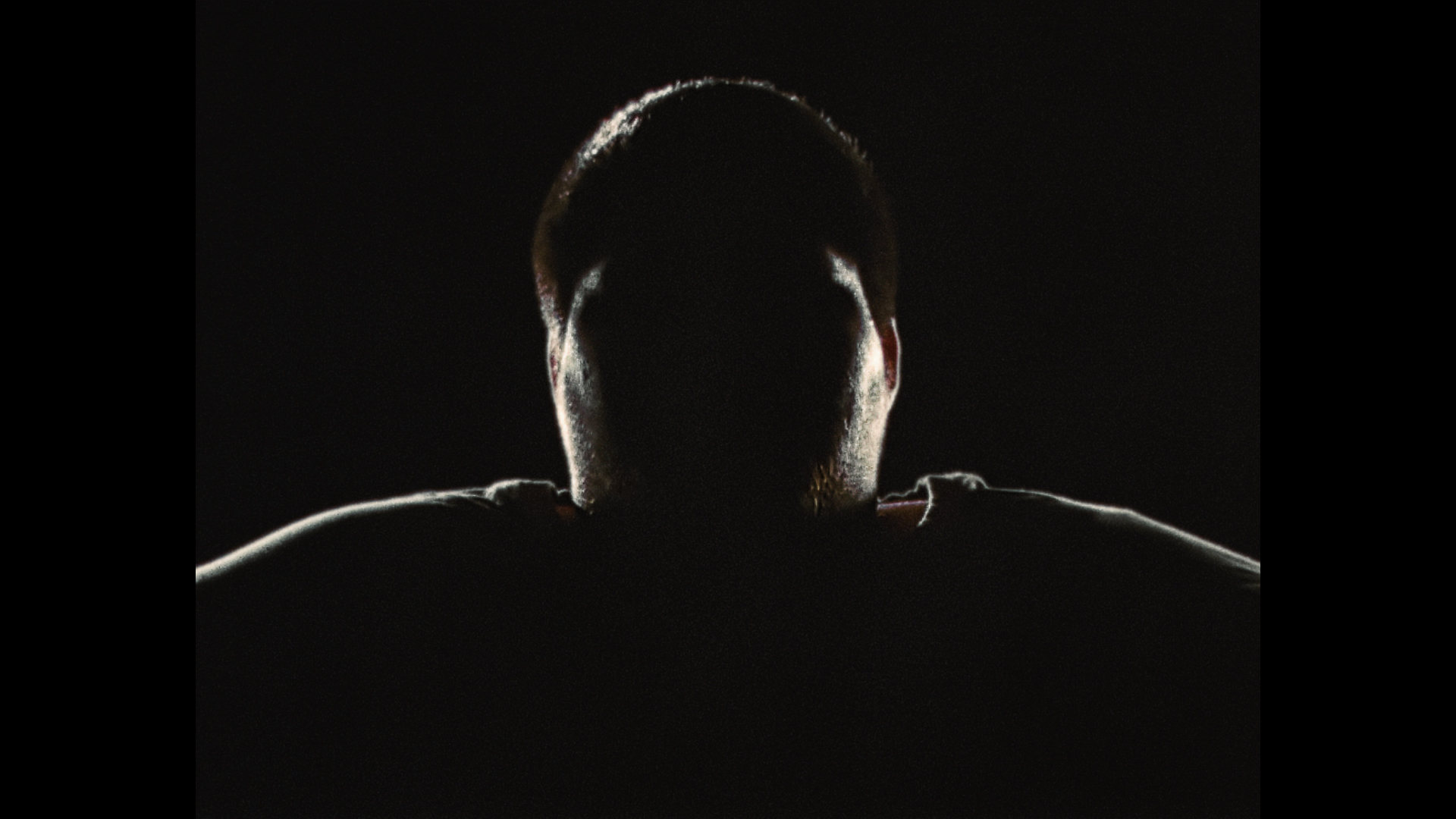
Eli Lilly has released a new unbranded short film, "My Focus," continuing a marketing shift meant to move the public conversation about obesity away from appearance and toward health [1]. The one-minute video, made with the ad agency Wieden+Kennedy Portland, debuted earlier this month and stays in a tight close-up on one person's face for its entire length [1].
In the film, a man responds to unsolicited comments about his weight, saying, "I've been dieting since I was 12," and later, "My health is my focus, and my body is nobody's business but mine" [1]. The film ends with on-screen text reading, "There are a lot of opinions about weight. It takes strength to focus on health" [1]. Lina Polimeni, Lilly's chief consumer marketing officer, said the format was chosen to "reflect a more personal, lived experience with obesity and the real cultural pressures people face" and to "challenge the viewer's assumptions about obesity" [1].
The campaign will run across digital, social and print channels through the first quarter of 2026, with placements during major televised events including CBS's New Year's Eve programming and the college football championship game [1]. Polimeni said the timing is meant to counter "weight-focused messaging" that tends to peak around New Year's resolutions [1].
This is not Lilly's first effort of this kind. In early 2024 the company released two other unbranded shorts, "Big Night" and "Shame," which criticized celebrities' off-label use of weight-loss drugs and addressed the social shame faced by people with obesity, closing with the line that health "is not about what weight we lose, it's about all the things a body can gain" [1]. Those films ran during Hollywood awards season, when speculation was high about celebrities using GLP-1 drugs to fit into red-carpet outfits [1]. Novo Nordisk has run a related but separate campaign on weight stigma at a New York City transit hub [1].
Why it matters for patients
For people using or considering GLP-1 medications, this campaign is a marketing message, not new medical guidance. Lilly frames obesity as "a matter of health, not weight or appearance," and Polimeni described the effort as an "active cultural intervention" meant to position the company as a credible voice on the topic [1]. Patients navigating stigma around obesity treatment, or facing assumptions from others about why they take these medications, may recognize the pressures the film describes, but the film itself does not change coverage, cost, dosing, or safety information for semaglutide or tirzepatide products.
The campaign also reflects an industry response to criticism that GLP-1 advertising has fueled cosmetic, off-label use of drugs meant to treat obesity as a chronic disease [1]. Lilly's stated position is that its marketing should reinforce medical use over appearance-driven use, a distinction that matters to patients trying to understand who these drugs are intended for and why insurers and clinicians may draw lines between medical necessity and cosmetic weight loss.
What happens next
The "My Focus" campaign is scheduled to run through the first quarter of 2026 across digital, social, and print channels, including major live TV events [1]. Lilly has paired similar health-focused short films with other cultural moments in the past year, including campaigns tied to breast cancer awareness, Alzheimer's disease, and skepticism toward compounded drugs, suggesting more messaging campaigns tied to cultural events are likely to continue [1].
Sources
Semaglutides.org is for information only and is not medical advice. Always talk to a licensed healthcare provider about your own care. Some links to telehealth services are affiliate links, labeled where they appear.