Mounjaro label revision adds the KwikPen never-share warning and the presentation-change training rule
Lilly's Mounjaro label was updated in January 2026 with a formal warning against sharing KwikPens and a rule requiring retraining whenever a patient's device changes, mirroring a nearly identical change made to Zepbound the same month.
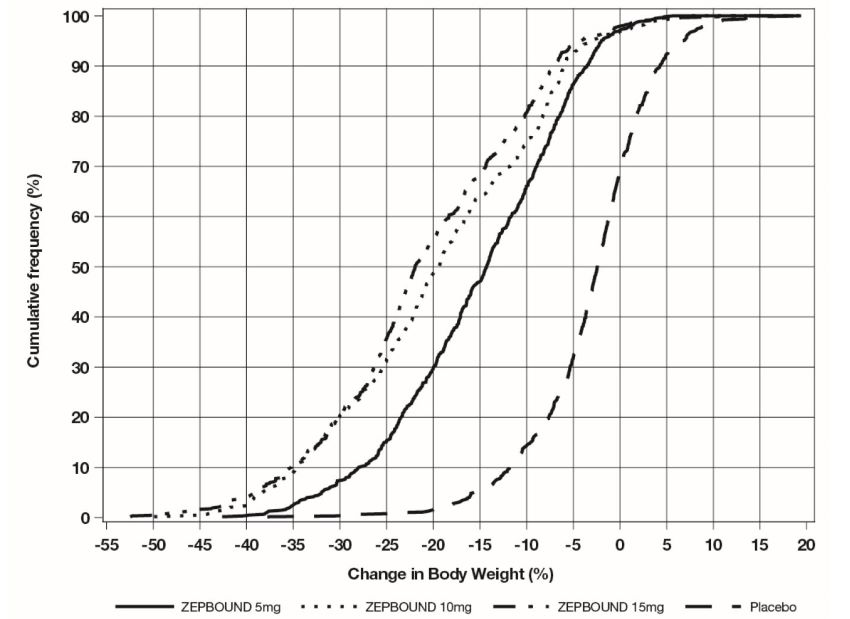
The prescribing information for Mounjaro (tirzepatide) was revised in January 2026 to add a new section, 5.10, titled "Never Share a MOUNJARO KwikPen Between Patients," and to expand section 2.2 so it tells patients and caregivers to be retrained and to read the Instructions for Use again whenever their prescribed presentation changes. The direct text of the revised Mounjaro label is not included in the sources reviewed for this story, but Lilly's own Zepbound label — the company's obesity version of the same tirzepatide molecule — documents an identical change made on the same timeline. Zepbound's label lists "Never Share a ZEPBOUND KwikPen Between Patients (5.10)" as a change dated 01/2026, alongside a separate 01/2026 update to its administration instructions in section 2.4 [2].
This is not a new concept for GLP-1 drugs generally. Novo Nordisk's Ozempic (semaglutide) label has carried a "Never Share an OZEMPIC Pen Between Patients" warning in section 5.4 for some time, stating plainly that a pen should never be shared "even if the needle is changed" [1]. The Zepbound label uses the same wording for its KwikPen, warning against sharing "even if the pen needle is changed" [2]. The rationale in both cases is the same: sharing an injector pen between people, even with a fresh needle, can transmit blood-borne pathogens because the device's internal mechanism can draw material back from the injection site.
What is different about Mounjaro, according to the development described here, is that the drug now ships in four physically different delivery systems. Zepbound's own label shows how varied tirzepatide packaging has become: it lists single-dose pens or single-dose vials in six strengths from 2.5 mg to 15 mg, plus multi-dose vials or single-patient-use KwikPens in six matching strengths, each with different concentrations per milliliter [2]. With that many device types on the market under one brand, patients could plausibly be switched from one presentation to another between refills, which is likely why Lilly is now requiring retraining and a fresh read of the Instructions for Use whenever that switch happens, per the summary of the January 2026 revision.
Why it matters for patients
For people using Mounjaro, the practical takeaway is that the specific device in the box matters, not just the drug and dose. A prefilled pen, a KwikPen, and a vial-based system are not interchangeable in how they are handled, and mixing up steps between them could lead to a wrong dose or an injection error. The new label language means pharmacies and prescribers are expected to flag it when a patient's presentation changes and to make sure the patient reviews the Instructions for Use for that specific device before injecting.
The never-share warning is a safety reminder rather than a new restriction: it has already applied to Ozempic pens for some time [1] and to Zepbound KwikPens as of the same January 2026 update [2]. It exists because pen-injector devices, unlike single-use syringes prefilled for one person, can retain trace material internally that could pass between users even if a new needle is attached each time.
What happens next
The Zepbound label reflects further changes moving through 2026, including a February 2026 update to gastrointestinal warning language and an August 2026 revision addressing diabetic retinopathy complications in patients with type 2 diabetes [2]. Ozempic's label similarly shows a pattern of periodic revisions, with its most recent listed change to gastrointestinal warnings dated October 2025 [1]. Whether Mounjaro's label will see comparable follow-on revisions later in 2026 is not addressed in the sources reviewed here.
Images from the sources
Sources
Semaglutides.org is for information only and is not medical advice. Always talk to a licensed healthcare provider about your own care. Some links to telehealth services are affiliate links, labeled where they appear.