Reuters reports Novo outspent Lilly two to one on GLP-1 advertising
Novo Nordisk spent about $487 million on US ads for Wegovy and Ozempic in the first nine months of 2025, more than double Eli Lilly's $214 million, even as Zepbound took the lead in prescriptions [1].
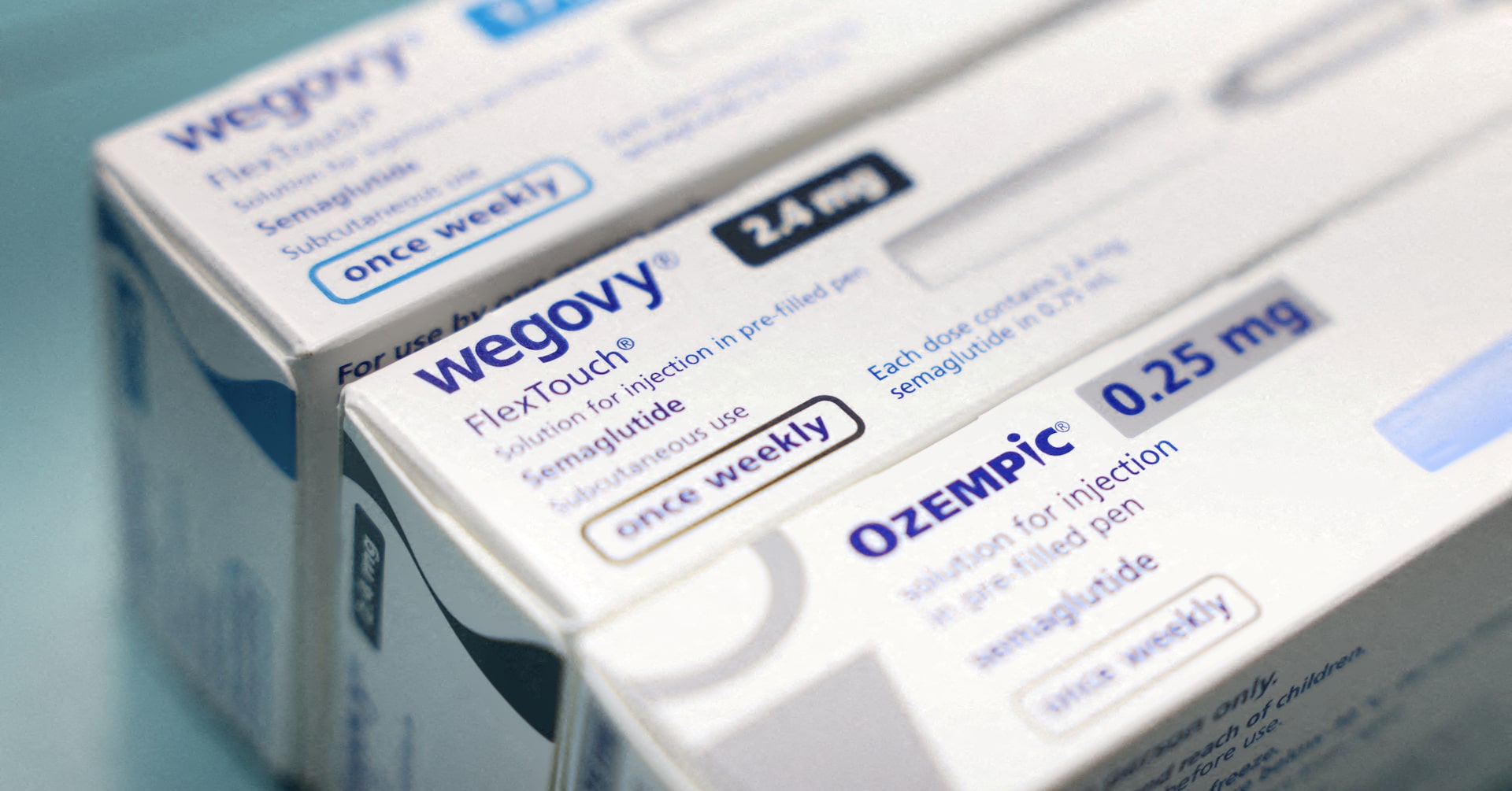
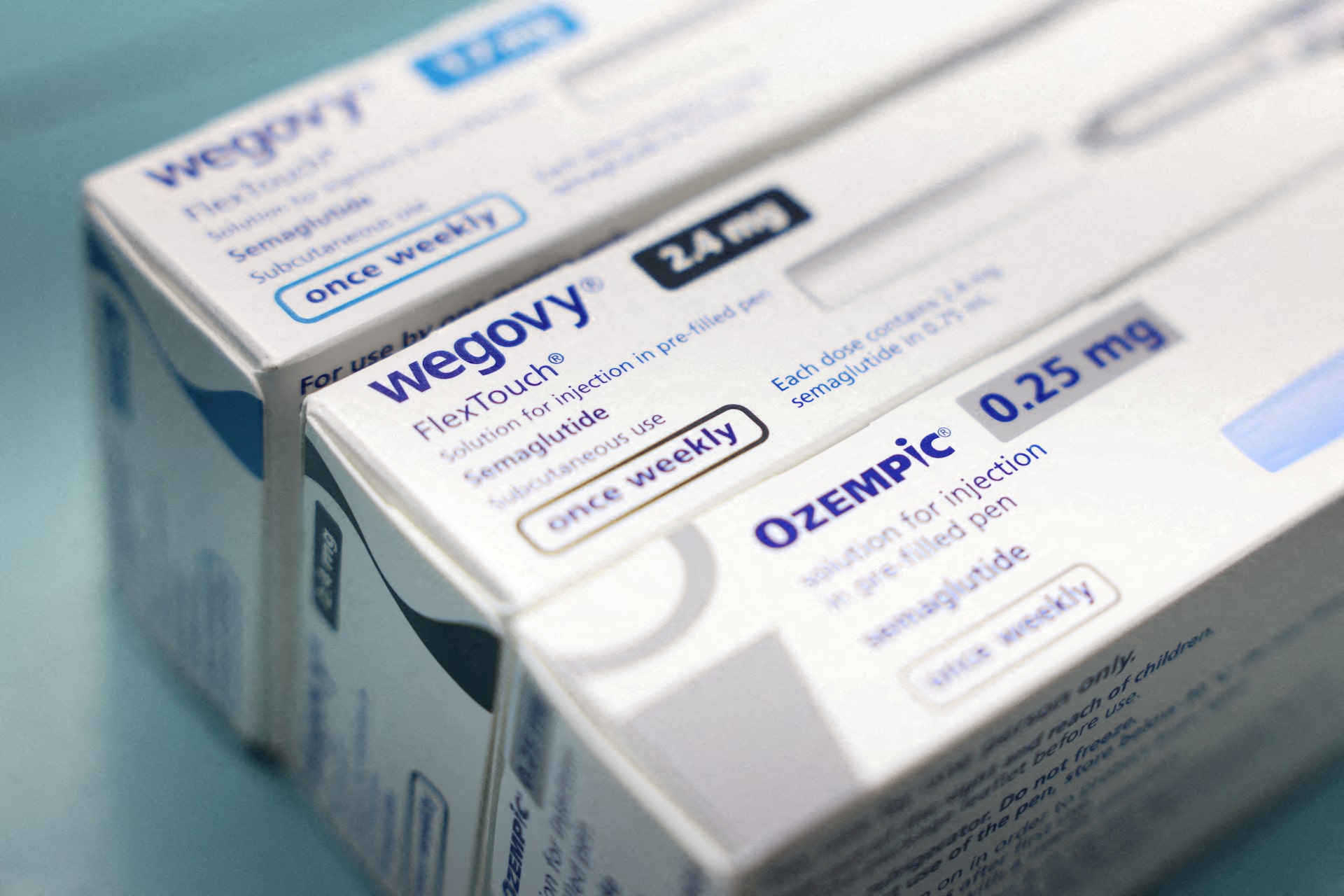
Novo Nordisk spent nearly $500 million advertising Wegovy and Ozempic to American consumers in the first nine months of 2025, more than twice what Eli Lilly spent promoting Zepbound and Mounjaro, according to data from ad-tracking firm MediaRadar seen by Reuters [1]. The spending surge did not stop Lilly from pulling ahead in the US obesity drug market [1].
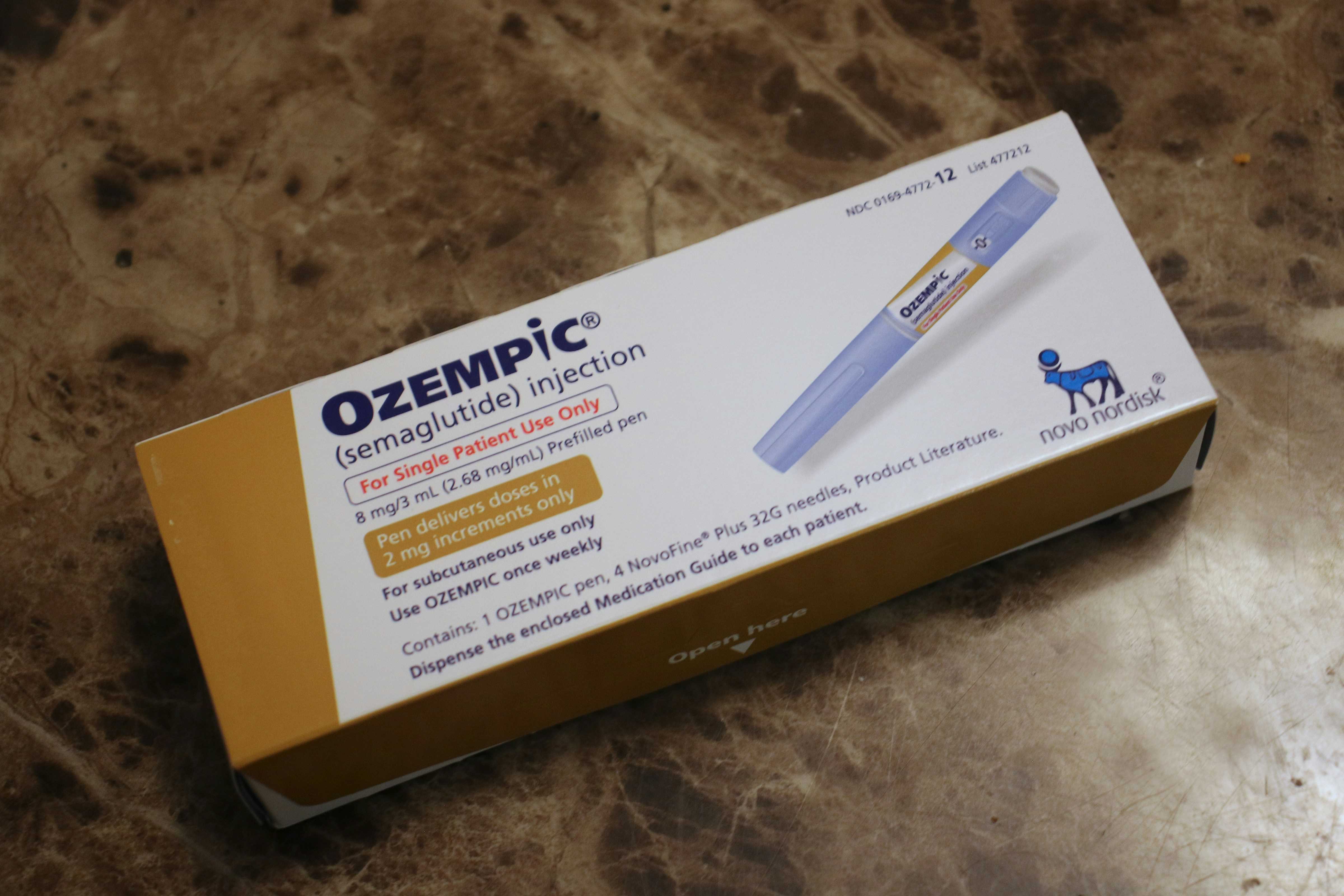
The MediaRadar figures, which had not been previously reported, break down this way: Novo spent an estimated $316 million on Wegovy, its semaglutide product approved for weight management, and $169 million on Ozempic, the semaglutide product for type 2 diabetes, from January through September 2025 [1]. That is up 54% and 44%, respectively, from the same stretch in 2024 [1]. A secondary account of the Reuters report described both increases as "more than 50%," which does not match Reuters' own breakdown of 54% and 44% [2].
Lilly spent about $131 million on Zepbound, its tirzepatide obesity drug, compared with just $2 million in the same period of 2024 [1]. It spent $83 million on Mounjaro, the tirzepatide product for diabetes [1]. Combined, Novo spent roughly $487 million and Lilly roughly $214 million on US ads for these four drugs [1]. Both companies declined to comment on their advertising budgets [1].
Spending more, selling less
Despite the gap in ad dollars, US prescriptions for Zepbound overtook Wegovy last year, giving Lilly about 60% of the obesity drug market for 2025, according to IQVIA data shared by a Wall Street analyst [1]. IQVIA did not respond to Reuters' request for comment [1].
One likely reason for the imbalance: in late 2024, Lilly released results from a large head-to-head trial showing patients on Zepbound lost 47% more weight than those on Wegovy [1]. "When it comes to weight loss, Lilly has that edge with Zepbound, which is why, likely, Novo is looking to offset that with higher advertising investments," said Rajiv Leventhal, senior analyst for digital health at Emarketer [1]. A Lilly spokesperson said the company is committed to providing information across multiple channels so consumers get accurate, timely information about its drugs [1].
The ad blitz also reflects a supply story. These medicines were in shortage for much of 2024, when the companies could not meet demand [1]. Novo halted its ads during the shortage and ramped them back up in 2025 as supply improved, said David Moore, Novo's executive vice president of US operations [1].
For context, these are not the biggest ad budgets in pharma. AbbVie spent more than $850 million on US advertising for its arthritis drugs Skyrizi and Rinvoq in the same nine-month period [1].
Why it matters for patients
The US is one of the few countries that allows direct-to-consumer advertising of prescription drugs, a system critics say adds to already high American medical costs [1]. That means the volume of Wegovy and Ozempic commercials someone sees is a function of marketing budgets and supply, not of which drug works better for any individual.
Insurance coverage for these drugs remains uneven in the US, which pushes many people to pay out of pocket [1]. That out-of-pocket reality is exactly where the marketing is aimed: Moore said Novo plans to advertise its new Wegovy pill immediately and drive sales through its cash-pay, direct-to-consumer channels [1]. How much Novo intends to spend on those pill ads is not known [1].
Rae McMahan, senior vice president of payer solutions at Prescryptive, a company that helps patients find lower pharmacy prices, said advertising has limits in guiding treatment choices for GLP-1 drugs. "It's still a conversation that needs to be between the patient and their physician," McMahan said [1].
The compounding market is another moving piece. Telehealth companies sold copies of these drugs freely while the branded versions were in shortage, and have since shifted to selling personalized doses that differ from the drugmakers' own dose sizes and regimens [1].
What happens next
President Donald Trump and Health Secretary Robert F. Kennedy Jr. have tried to discourage drugmaker advertising through new disclosure rules [1]. The sources do not spell out the timeline or scope of those rules, or whether they have changed how GLP-1 ads look.
Also unresolved: whether Novo's heavier spending eventually slows Lilly's share gains, and how much of the oral Wegovy launch will be driven by advertising versus price. Full-year 2025 ad figures beyond September were not included in the MediaRadar data Reuters reviewed [1].
Images from the sources
Sources
Semaglutides.org is for information only and is not medical advice. Always talk to a licensed healthcare provider about your own care. Some links to telehealth services are affiliate links, labeled where they appear.