Lilly says Zepbound plus Taltz beats Taltz alone in psoriatic arthritis
Company-reported results suggest tirzepatide may help with a painful joint disease as well as weight, but full numbers and safety data for the combination have not been disclosed.
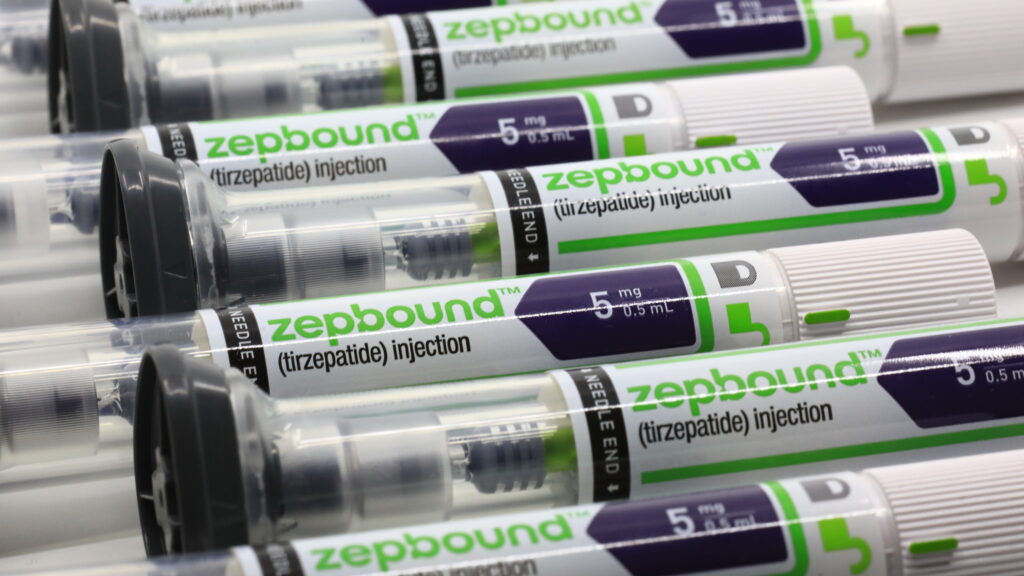
Eli Lilly said Jan. 8 that adding its weight-loss drug Zepbound to its immunology therapy Taltz helped adults who have psoriatic arthritis and obesity more than Taltz did on its own, according to the company's initial report of the results [1].
Psoriatic arthritis, or PsA, is an autoimmune condition that causes joint pain [1]. In the study, the combination treatment was "more effective than older therapy alone," according to a summary of the data [1]. Zepbound (tirzepatide) is a GLP-1 drug that has already been shown to help with obesity and sleep apnea, among other conditions [1].
What the study actually measured, and by how much the combination won, has not been reported. The response rates for joint symptoms and for skin symptoms, the number of patients enrolled, the doses used, the length of follow-up and the statistical details have not been disclosed [1]. It is also not yet known how improvement was defined — whether the trial counted swollen and tender joints, skin clearance, a composite disease score, or something else [1].
One open question is whether the extra benefit came from weight loss itself or from a separate effect on inflammation. That has not been reported [1]. It is also not known how the patients in this study compare with the broader group of people who have psoriatic arthritis, including those who are not obese [1].
The report noted that it is not clear whether these results will have a significant impact on prescribing patterns for Lilly's drugs, given that there is already huge demand for Zepbound because of its weight-loss effects [1].
Why it matters for patients
Millions of people with psoriatic arthritis already take drugs like Taltz, and many also take a GLP-1 medication such as Zepbound for weight or for another condition. This is the first signal reported in this trial that adding an incretin drug to a standard immunology therapy may improve joint and skin outcomes [1]. But nothing in the disclosed information changes any approved use of either drug, and no dosing information was released [1].
Two practical points follow from what has not been reported. First, because the full numbers are missing, patients and clinicians cannot judge how large the added benefit was or whether it was statistically reliable [1]. Second, safety information for the two drugs used together — including infections, injection-site reactions or other side effects — has not been disclosed for this study [1].
The results also may not be generalizable. The trial was described as enrolling obese patients [1], so whether the same effect would appear in people with psoriatic arthritis who are not obese has not been reported [1].
What happens next
Lilly has not said when or where the full results will be presented or published, and no such date has been reported [1]. No regulatory submission for a psoriatic arthritis indication has been announced [1]. Whether Lilly plans further trials of the combination, and on what timeline, has not been disclosed [1].
Until those details are available, the finding stands as a company statement about a single study rather than a confirmed new use for Zepbound or a new standard of care for psoriatic arthritis [1].
Images from the sources
Sources
Semaglutides.org provides information only, not medical advice. Talk to a licensed provider about your own care before making changes. Some telehealth links are affiliate links and are labeled where they appear.