Lilly issues Zepbound KwikPen instructions ahead of US launch
New Zepbound KwikPen instructions add a priming step before every weekly injection and a dose-window check, details that change the routine for users of the four-dose pen.
Eli Lilly has issued the FDA-approved Instructions for Use for the Zepbound KwikPen ahead of the device's US launch. The document is dated January 21, 2026, and it adds steps that are meant to be followed before every weekly injection, not only before the first one.
Zepbound is tirzepatide, a glucose-dependent insulinotropic polypeptide (GIP) receptor and glucagon-like peptide-1 (GLP-1) receptor agonist first approved in the United States in 2022 [1]. It is sold as single-dose pens, single-dose vials, multi-dose vials and the single-patient-use KwikPen [1]. The prescribing information directs patients to the full labeling for additional administration instructions about each presentation, and its list of recent major changes shows that the dosage and administration instructions and the warning never to share a Zepbound KwikPen between patients were both updated in 01/2026 [1].
The new Instructions for Use lays out three points about using the pen. It calls for the pen to be primed before every weekly injection, not just the first one. It requires a dose-window icon to be visible before the needle is withdrawn from the skin. And it states that patients should not count clicks when dialing a dose. Pen needles do not come with the device and must be obtained separately.
The KwikPen is a multi-dose, single-patient-use device. Labeling lists it in six strengths, from 10 mg/2.4 mL (4.17 mg/mL), which provides four 2.5 mg/0.6 mL doses, up to 60 mg/2.4 mL (25 mg/mL), which provides four 15 mg/0.6 mL doses [1]. Single-dose pens and single-dose vials are supplied at 2.5 mg, 5 mg, 7.5 mg, 10 mg, 12.5 mg or 15 mg per 0.5 mL [1].
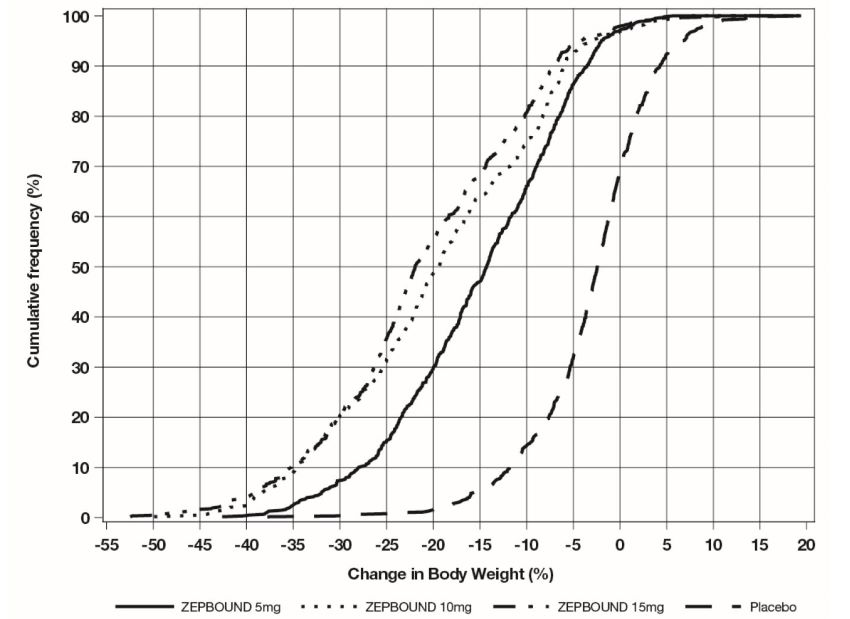
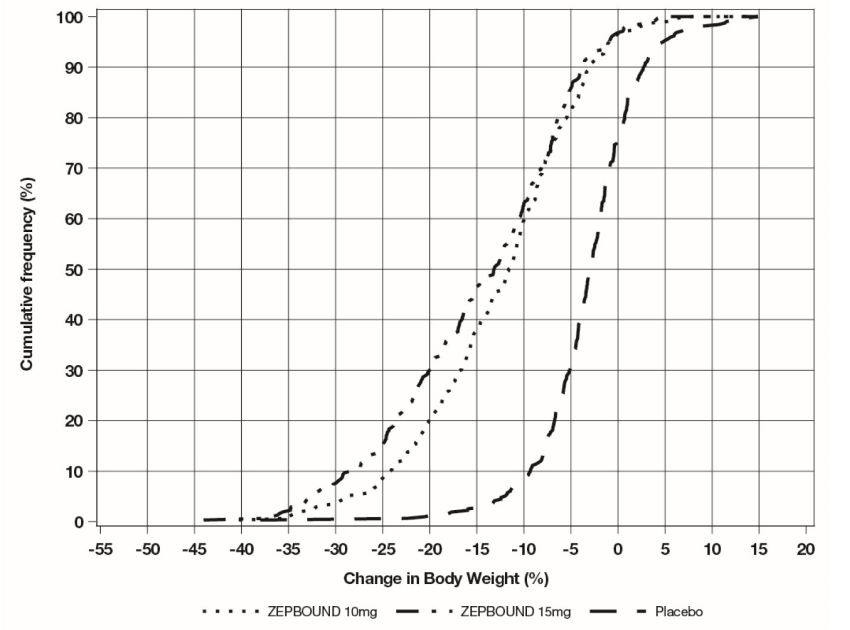
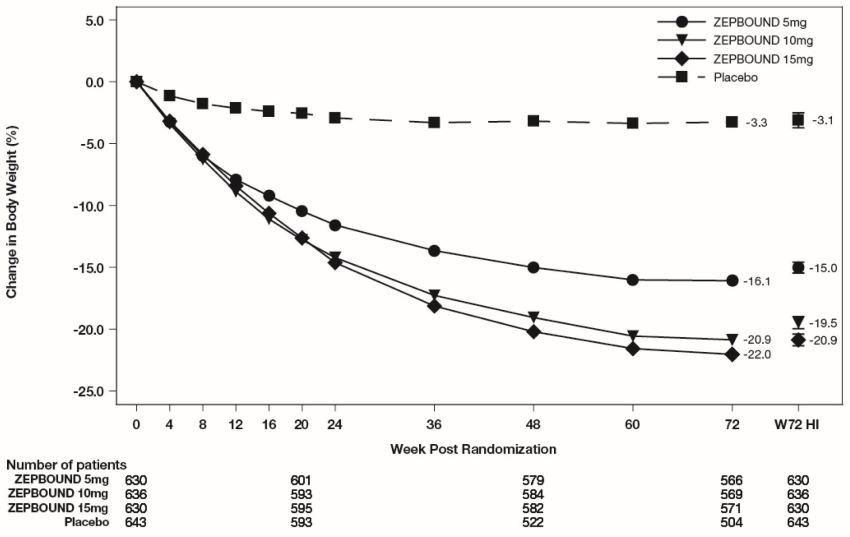
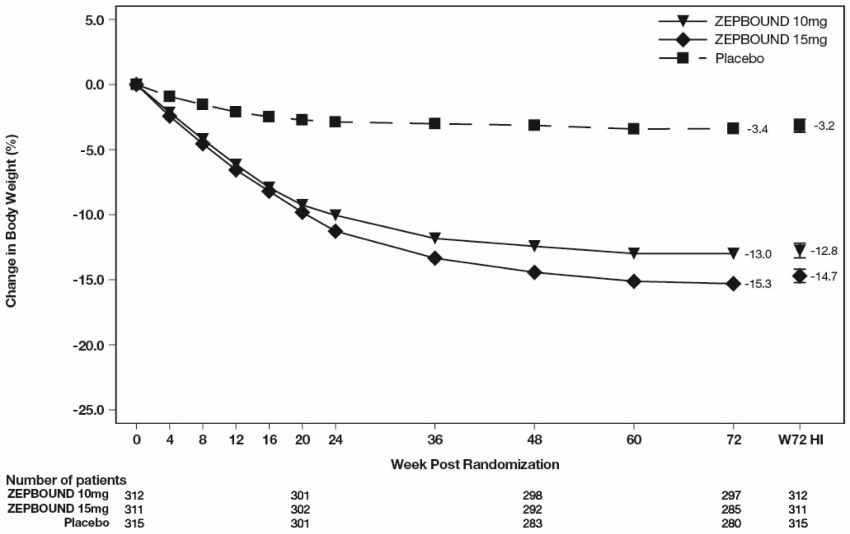
The recommended starting dose of Zepbound is 2.5 mg injected under the skin once weekly for 4 weeks, with increases of 2.5 mg after at least 4 weeks until a maintenance dose is reached [1]. For weight reduction and long-term weight maintenance, the maintenance doses are 5 mg, 10 mg or 15 mg once weekly. For moderate to severe obstructive sleep apnea in adults with obesity, they are 10 mg or 15 mg once weekly. The maximum recommended dose is 15 mg once weekly [1].
Zepbound carries a boxed warning about thyroid C-cell tumors seen in rats; it is unknown whether the drug causes these tumors, including medullary thyroid carcinoma, in humans. The drug is contraindicated in patients with a personal or family history of medullary thyroid carcinoma or with Multiple Endocrine Neoplasia syndrome type 2 [1]. The most common adverse reactions, reported in at least 5% of patients in trials, are nausea, diarrhea, vomiting, constipation, abdominal pain, dyspepsia, injection site reactions, fatigue, hypersensitivity reactions, eructation, hair loss and gastroesophageal reflux disease [1].
Why it matters for patients
Device instructions do not transfer from one product to another. Someone who has used a single-dose pen, a vial and syringe, or a different brand's pen will find that the KwikPen's steps are written out separately, which is why the priming step, the dose-window check and the no-click-counting rule appear in this document.
Because the KwikPen holds four doses, an error in technique can affect more than one week of treatment rather than a single injection. The labeling states that the pen should never be shared between patients, even if the pen needle is changed [1].
Needles being sold separately means a prescription or purchase for pen needles is part of using this device. Nothing about the device's price, insurance coverage or patient training has been disclosed.
Patients who have questions about their own injections can reach their prescriber or pharmacist. Suspected side effects can be reported to Eli Lilly at 1-800-545-5979 or to the FDA at 1-800-FDA-1088 [1].
What happens next
The Instructions for Use was issued ahead of the US launch, but a specific launch date has not been disclosed. Whether the KwikPen will replace the single-dose pens or be sold alongside them has not been reported, and no pricing or coverage details have been released. Zepbound is also approved for weight reduction and long-term weight maintenance in adults with obesity or with overweight plus at least one weight-related condition, and for moderate to severe obstructive sleep apnea in adults with obesity [1].
Images from the sources
Sources
Semaglutides.org provides information only, not medical advice. Talk to a licensed provider about your own care before making changes. Some telehealth links are affiliate links and are labeled where they appear.