Analysts trim obesity-drug market forecasts by about 30%
Wall Street analysts have cut 2030 forecasts for obesity drug sales by roughly 30% as US prices fall, a sign that cheaper GLP-1s are now the industry's base case rather than a temporary promotion.
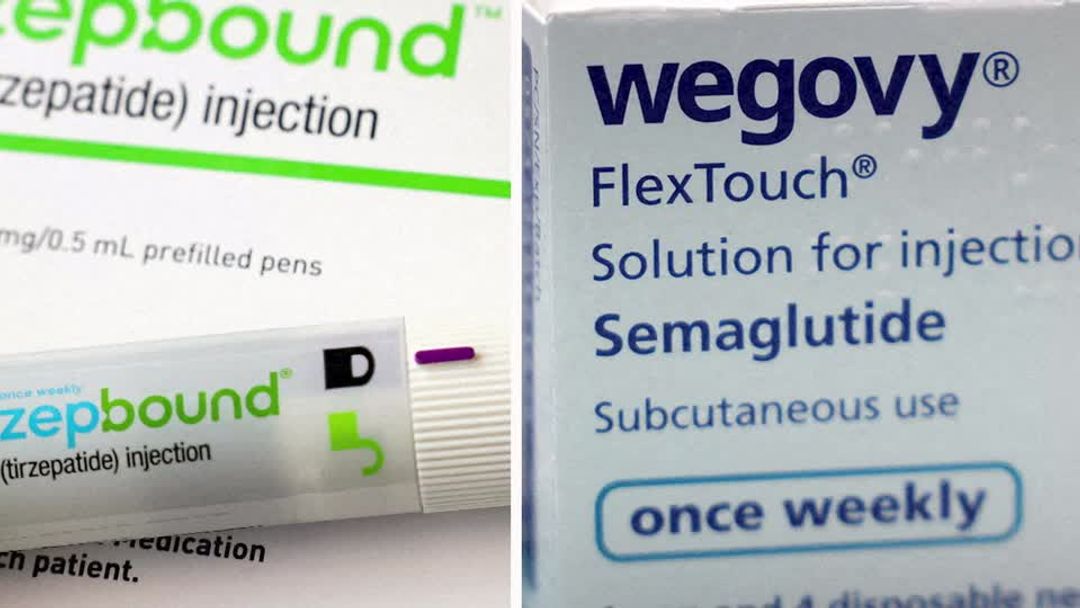
Wall Street has sharply lowered its expectations for how much money obesity drugs will bring in, and the reason is price. Reuters reported on February 2 that forecasts for the global obesity drug market in 2030 are now around $100 billion, roughly 30% below earlier projections, with the once-standard $150 billion figure pushed out to 2035 by some analysts [1].
The shift follows steep US price cuts. After Wegovy launched in 2021 and Zepbound in 2023, the drugs carried pharmacy list prices of about $1,000 per month [1]. Today, facing political pressure and a deal with the Trump administration, Novo Nordisk and Eli Lilly sell them through company websites at starting cash prices of $149 to $299 a month [1].
The new numbers
Goldman Sachs now estimates global obesity drug sales of $105 billion by 2030, down from an earlier $130 billion, citing steeper price erosion and changing patterns in how people use the drugs [1]. Goldman's own published research from May 2025 put the 2030 figure at $95 billion, also down from $130 billion, so the exact number has moved more than once [2]. In that analysis, Goldman raised its assumed annual price erosion from about 2% to 7% and noted that every 1 percentage point change in that assumption shifts US peak sales by about $6 billion [2].
Other houses landed in different places. Jefferies cut its weight-loss market peak forecast by 20% in January to $80 billion, down from a 2023 estimate of more than $100 billion by the early 2030s [1]. "That $150 billion pie is gone, even if you're very bullish on volumes," Jefferies analyst Michael Leuchten told Reuters [1]. HSBC's Rajesh Kumar has not changed his long-term view and estimates more than $120 billion by the end of 2030, but warned that without a big jump in volumes the most bullish projections "stand on thin ice" [1]. Market researcher IQVIA pushed its forecast for a roughly $130 billion global obesity market out to 2034 from 2028 [1].
Not everyone is trimming. Pfizer CEO Albert Bourla said in January he still expects a $150 billion annual market by 2030 [1]. BMO Capital Markets, which in 2023 projected $158 billion in annual GLP-1 sales by 2033 including $100 billion from obesity drugs, is betting lower prices will drive higher volumes [1]. TD Cowen's $139 billion forecast for diabetes and obesity drugs combined could rise if direct-to-consumer volume offsets price cuts, analyst Michael Nedelcovych said [1].
Current prescription data sits in between. Wegovy injection and pill plus Zepbound injection prescriptions totaled 730,000 in the week ended January 23, according to IQVIA data cited in an analyst note [1]. New Wegovy prescriptions grew 4%, largely because of the new pill, while Zepbound rose 0.9% [1].
Why it matters for patients
These forecasts are about company revenue, not clinical care, but the mechanism behind them is the price you pay. Analysts are cutting numbers because they now assume the roughly $149 to $299 monthly cash prices are durable rather than temporary [1]. Goldman's model also assumes insurers may be more stringent about coverage, and it lowered the odds of Medicare covering obesity drugs to 50%, down from a prior 70% assumption [2].
Affordability drives whether people stay on treatment. In Goldman's survey of more than 50 US physicians, cost and loss of insurance coverage together accounted for 60% to 64% of patients stopping their medication, while tolerability problems such as gastrointestinal side effects accounted for about 15% [2]. The firm's model assumes one in two patients drops out [2].
Pills are the other variable. Goldman forecasts daily oral tablets will take about 25% of the obesity medication market by the end of the decade [2]. HSBC's Kumar said more convenient pills could keep people on therapy longer [1]. Union Investment portfolio manager Markus Manns said it is still unclear whether orals expand the market or simply take share from injections [1].
What happens next
Novo and Lilly both reported fourth-quarter results on Wednesday, February 4 [1]. Some analysts expected Novo to guide to a decline in 2026 sales and operating profit, while LSEG data showed analysts expecting Lilly revenue growth above 21% and adjusted earnings growth above 40% in 2026 versus 2025 estimates [1]. Lilly expects approval of its own weight-loss pill in April [1]. Whether volumes rise enough to offset lower prices is not yet known; Kumar called 2026 the key year for gauging consumer demand [1].
Sources
Semaglutides.org is for information only and is not medical advice. Always talk to a licensed healthcare provider about your own care. Some links to telehealth services are affiliate links, labeled where they appear.