Falsified Mounjaro KwikPen 15 mg pens found in the UK supply chain
UK regulators say five fake Mounjaro KwikPen 15 mg pens, all with batch D873576, reached patients through one online pharmacy — a reminder of the risks in online GLP-1 buying.
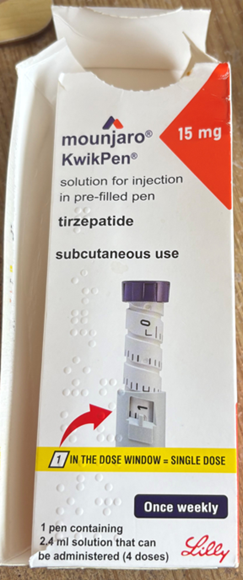
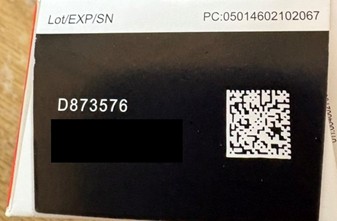
The UK's Medicines and Healthcare products Regulatory Agency (MHRA) warned on February 24, 2026 that falsified Mounjaro (tirzepatide) KwikPen 15 mg pre-filled pens have been supplied through a single online pharmacy in Britain. The fake pens carry batch number D873576, and the agency says every 15 mg pen with that batch number is falsified [1].
The problem surfaced not through lab testing but through broken hardware. Five affected pens have been identified so far, and all had a faulty mechanism — in all but one case, the dose knob came off while the pen was in use [1][2]. Eli Lilly and Company Limited reported the counterfeits to the MHRA and said they were supplied by The Private Pharmacy Clinic in Birmingham, UK [1].
What the testing found
Laboratory analysis of the recovered pens confirmed they do contain tirzepatide, the active ingredient in Mounjaro [1]. That might sound reassuring, but the MHRA says it is not. Because regulators do not know how the pens were manufactured, they cannot be sure the contents are sterile. For an injectable product, non-sterile contents create a potential for infection, and allergic reactions may also occur [1]. The agency advises that anyone who believes they used a falsified pen be assessed for signs and symptoms of infection or hypersensitivity reactions [1].
The counterfeit is unusually hard to spot from the label alone. Lilly confirmed that the batch number and expiry date printed on the packaging — D873576, expiry 10/26 — match a genuine Mounjaro KwikPen 7.5 mg pen, while the falsified packaging says 15 mg [1]. The MHRA specifically told people to ignore the expiry date and check the batch number and dose only [1]. Genuine 7.5 mg pens with that batch number are not affected [1][2].
As of the alert, the MHRA said it had received no reports of patient harm that required treatment after use of the falsified medicine, and told patients who have already injected from these pens that, based on the cases reviewed so far, the risk to them is low [1]. The agency still asked anyone with unusual symptoms they are worried about to seek immediate medical attention [1].
UK pharmacies were told to stop supplying 15 mg pens with that batch number, quarantine remaining stock and return it to their supplier [1]. The General Pharmaceutical Council has served a "notice of conditions" on the pharmacy involved, and the MHRA says its investigation is continuing [1][2]. The pharmacy is unable to provide more of this medication at this time, and patients may need replacement medication to continue their treatment course [1].
Why it matters for patients
This alert applies to the UK supply chain, and the sources do not describe any US distribution of batch D873576. What travels across borders is the pattern. Demand for tirzepatide and semaglutide has drawn counterfeiters toward the online and telehealth channels that many people now use to get these drugs, and this case shows a fake product that contained the right active ingredient yet still failed on quality and safety grounds [1].
It also shows how counterfeits get caught. These pens were not flagged because patients felt unwell — they were flagged because the devices fell apart during use, with dose knobs detaching [1][2]. A mechanical failure in a pen can mean an uncertain dose, on top of the sterility question.
The MHRA was blunt on one point: patients should never try to extract a dose from a pen that is defective in any way [1]. It also told people who have an affected pen to keep it in a safe place rather than discard it, because the agency will arrange collection [1].
Some things are not yet known. The MHRA has not said where the falsified pens were made, how many may still be in circulation beyond the five identified, or how long they were being dispensed. The investigation is ongoing [1].
What happens next
The notice of conditions on the Birmingham pharmacy was dated February 19, 2026, ahead of the public alert five days later [1]. The MHRA published the warning as part of Drug Safety Update volume 19, issue 7, February 2026 [1]. UK patients who have a 15 mg pen with batch D873576 are asked to email the MHRA with "Mounjaro Pens" in the subject line, and suspected side effects or defective pens can be reported through the Yellow Card scheme [1]. No date has been given for the conclusion of the investigation.
Images from the sources
Sources
Semaglutides.org is for information only and is not medical advice. Always talk to a licensed healthcare provider about your own care. Some links to telehealth services are affiliate links, labeled where they appear.