General Mills CEO says anti-obesity drugs will have a "lasting influence" on food
General Mills' CEO told analysts that GLP-1 drugs will have a "lasting influence" on food, as makers add protein, fiber and smaller portions aimed at people taking them.
General Mills CEO Jeff Harmening told analysts at the Consumer Analyst Group of New York conference in Orlando that "anti-obesity drugs will have a lasting influence on the food market" — one of the bluntest public statements yet from a major packaged-food executive about how GLP-1 medications are reshaping what Americans buy [1].
Harmening said the weight-loss drugs are "nudging some consumers toward smaller portions and more nutrient-dense protein and fiber-forward foods" [1]. The cereal and snacks company is responding with smaller pack sizes and new products including Honey Nut Cheerios Protein, Ghost performance nutrition bars and new granola lines [1].
The numbers behind the shift
About one in eight US adults say they are currently taking a GLP-1 drug such as Ozempic or Wegovy — both semaglutide — for weight loss, diabetes or another chronic condition, according to a KFF poll [1]. More than half of US adults, or roughly 137 million people, are eligible for these medications under current criteria, per a JAMA Cardiology analysis, and use is expected to grow as the drugs get cheaper and more widely available [1].
That matters to food companies because people on these drugs eat less and tend to avoid processed foods and snacks [1]. A Cornell study found grocery spending shrank by 6% in households with at least one person taking a weight-loss drug [1]. A Circana report released in November projected that households with GLP-1 users will account for more than a third of food and beverage sales over the next five years [1].
How brands are repositioning
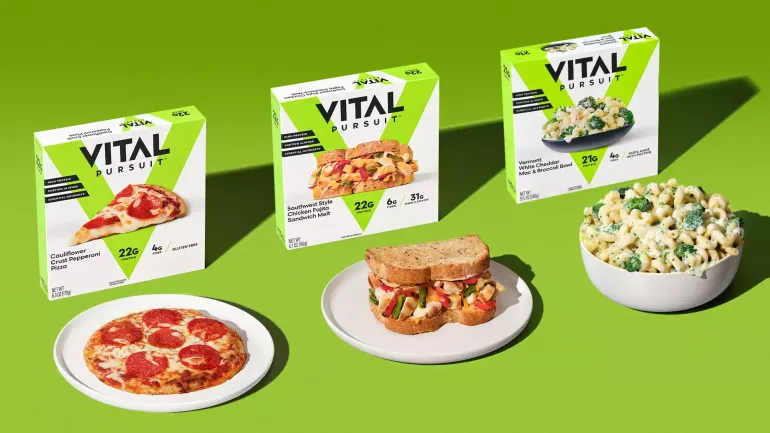
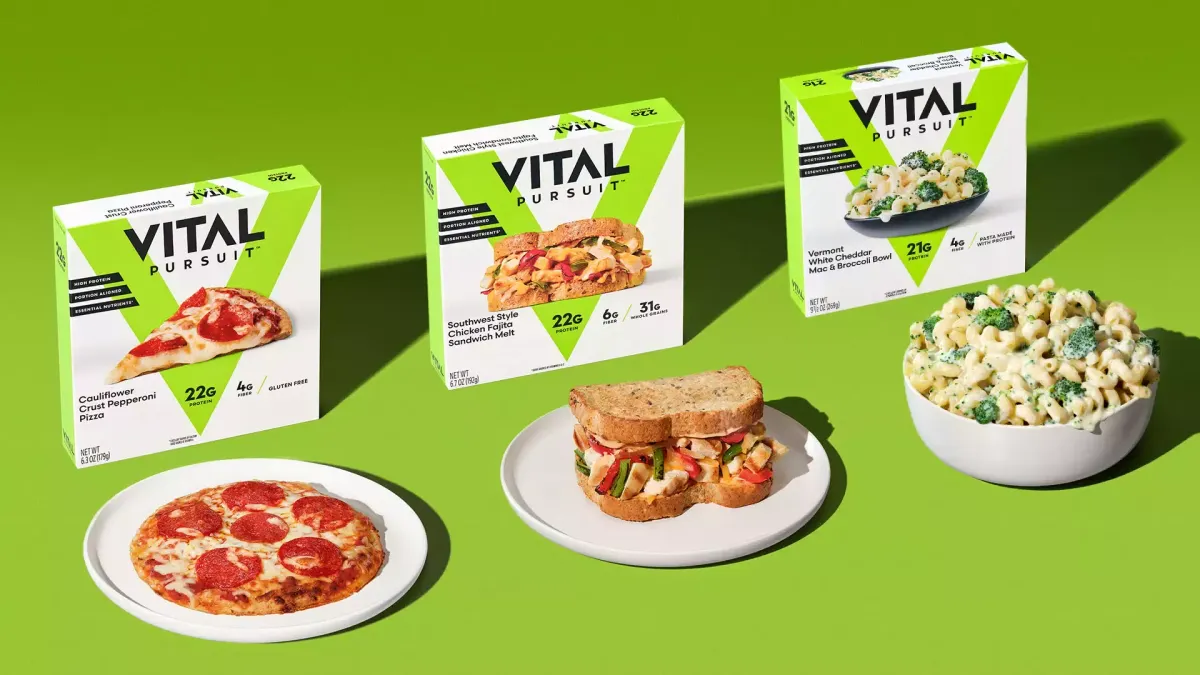
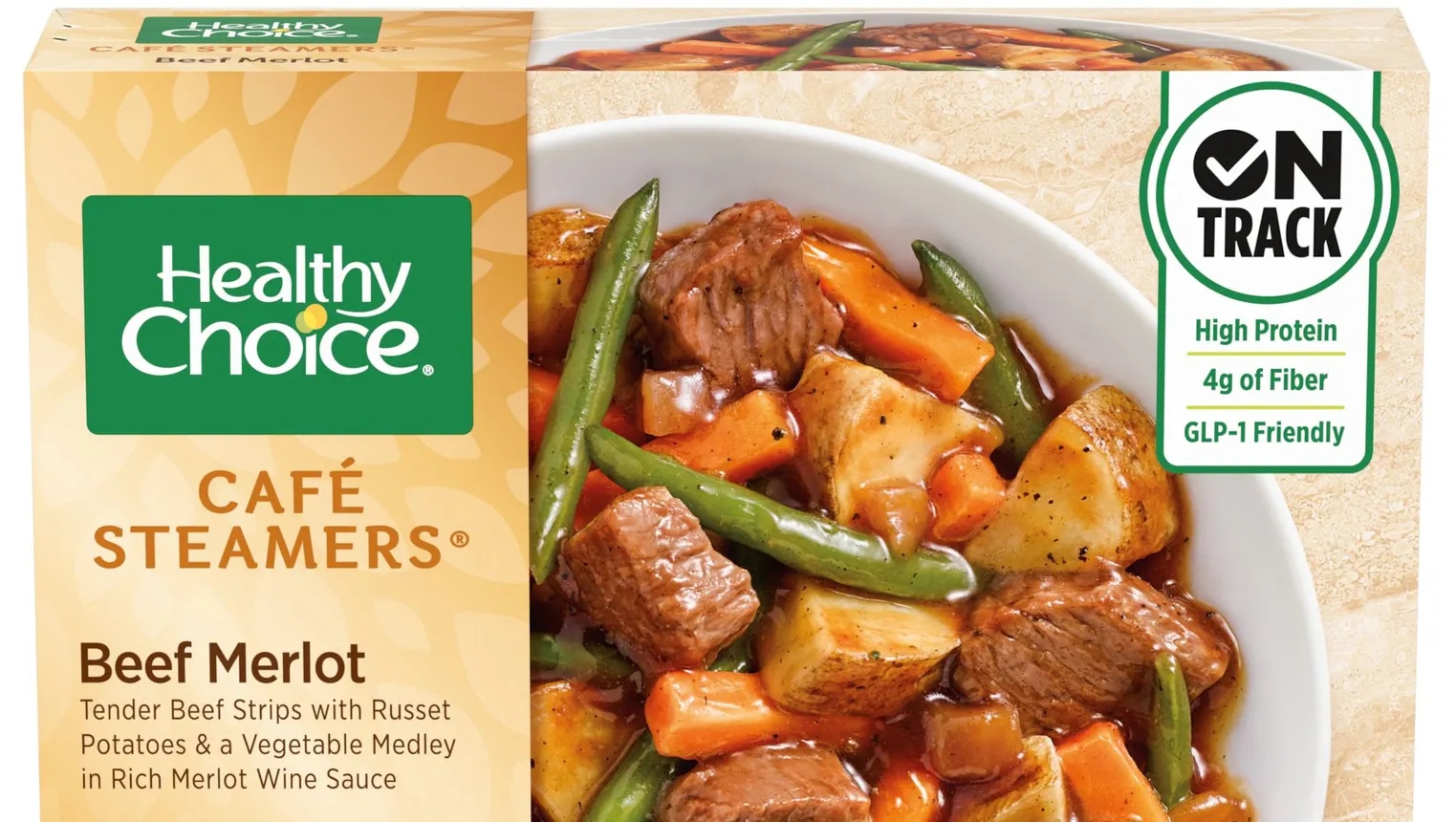
Nestlé launched Vital Pursuit in 2024 — its first major US brand in nearly three decades — aimed at people taking GLP-1 medications and others focused on weight management [1]. A year later, Danone rolled out an Oikos yogurt drink marketed to GLP-1 users to help build and retain muscle mass [1]. Conagra Brands has added a "GLP-1 friendly" label to some Healthy Choice frozen meals [1].
Bob Nolan, Conagra's senior vice president of demand science, framed the drugs as an opportunity rather than a threat: if the company attracts shoppers while they are on the medications, he said, those customers are likely to stay even if they stop taking them [1].
Not everyone in the industry is convinced the change is permanent. Erin Lash, senior director of consumer equity research at Morningstar, said food companies still question whether GLP-1s will fade like earlier diet trends such as Atkins or South Beach [1]. "Most [food companies] don't seem overly concerned to this point," Lash said. "Consumers are still indulging" [1]. She added that it is prudent to prepare for a world where GLP-1s are permanent, while not alienating core shoppers who will never take them [1].
One reason for the doubt: little is known about how long people stay on the drugs. One study cited in the reporting found that 50% to 75% of people who start these medications stop within a year [1]. The reporting provided here does not include the specific arguments other packaged-food executives made at the conference, so a direct comparison of company positions is not available from this source.
Why it matters for patients
The practical effect for people on semaglutide or tirzepatide is that supermarket shelves are changing in ways that track the appetite suppression these drugs cause. Because GLP-1s reduce how much food people eat, getting enough nutrients from smaller meals becomes more important — the reporting notes that maximizing nutrients and vitamins matters for maintaining muscle mass and supporting health on these medications [1]. That is the logic behind the wave of higher-protein, higher-fiber and smaller-portion products [1].
It also means more marketing aimed squarely at this group. Labels like Conagra's "GLP-1 friendly" are a company's own marketing claim, not a regulatory designation, and the source does not describe any government standard defining the term [1]. Shoppers comparing products may find it useful to look at the actual nutrition panel rather than the front-of-pack language.
The broader signal is that the food industry now treats GLP-1 use as a durable market, not a passing fad — even as analysts openly debate whether it is [1]. For patients, that competition may eventually translate into more choices designed around reduced appetite, though whether these products cost more or deliver on their claims is not addressed in this reporting.
Images from the sources
Sources
Semaglutides.org is for information only and is not medical advice. Always talk to a licensed healthcare provider about your own care. Some links to telehealth services are affiliate links, labeled where they appear.