Super Bowl LX becomes the GLP-1 Super Bowl
Novo Nordisk, Eli Lilly, Ro and Hims & Hers all bought weight-loss ads around Super Bowl LX, a sign that GLP-1 marketing is shifting toward cash-pay pills sold straight to consumers.
Four companies selling or prescribing GLP-1 weight-loss treatments bought advertising around Super Bowl LX on February 8, 2026, turning the NFL's biggest broadcast into what one marketing professor called "the GLP-1 Super Bowl" [5]. Novo Nordisk, Eli Lilly, telehealth company Ro and Hims & Hers each pitched a version of weight-loss care to an audience Nielsen projected at around 130 million people [1].
Novo Nordisk ran its first Super Bowl ad, a 90-second spot built around the new Wegovy pill [1][2]. Comedian Kenan Thompson announces the pill alongside DJ Khaled, John C. Reilly, Danielle Brooks, Ana Gasteyer and Danny Trejo, who joke that they would happily take a pill that helped them parallel park, become a pro wrestler or rescue more kittens [1][2]. The message is that people with obesity should not feel embarrassed about using medication. "The goal is to generate as much awareness [for the pill] as we can," Novo marketing senior vice president Edward Cinca told Adweek [2].
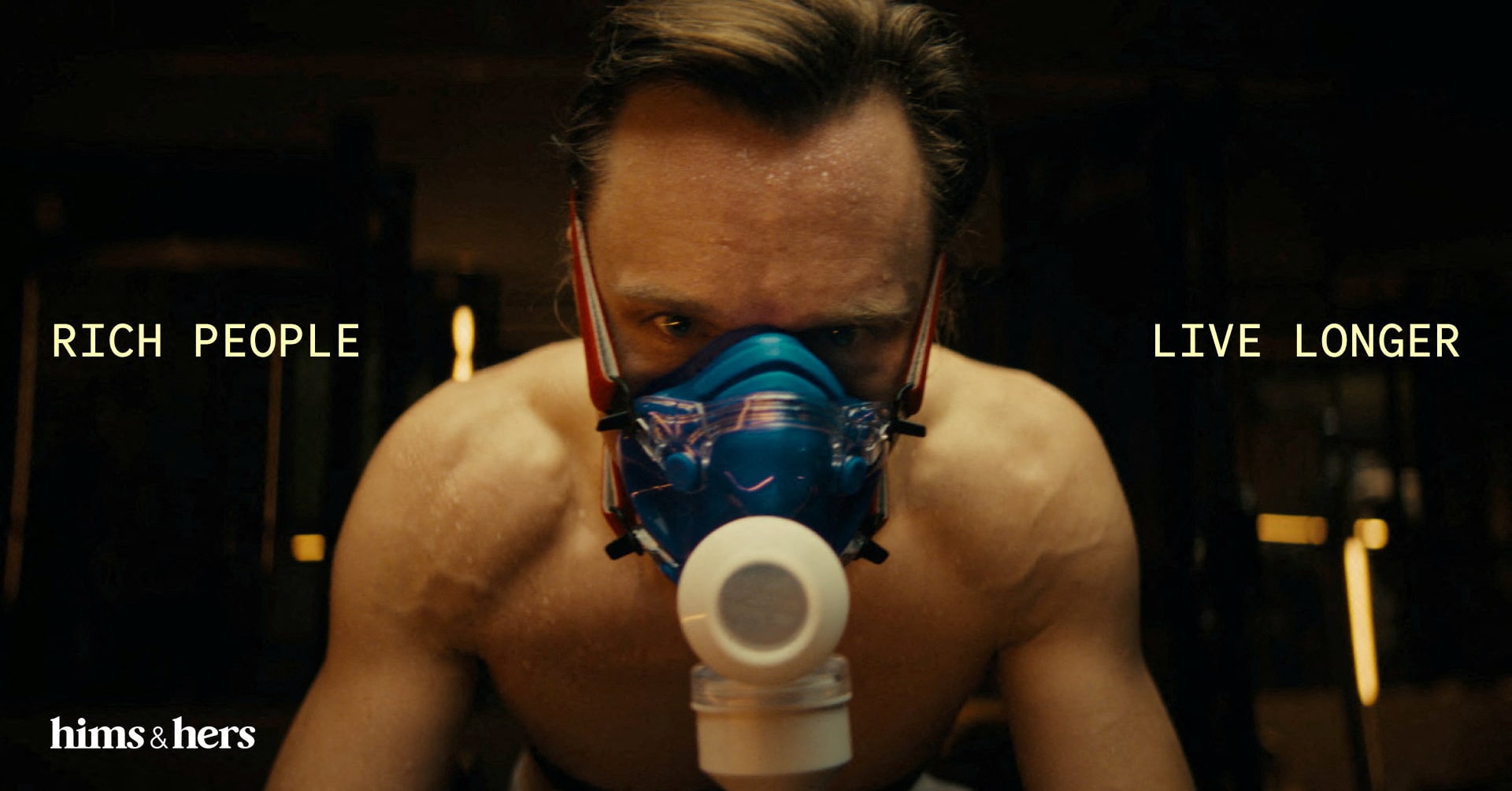
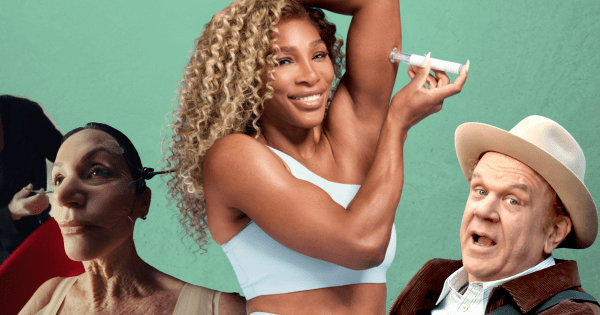
Ro made its Super Bowl debut with a 30-second in-game spot fronted by Serena Williams, part of a "Healthier on Ro" campaign across TV, paid social and outdoor advertising [2][3]. Co-founder Saman Rahmanian said the company enlisted Williams to "dispel the myth that taking weight loss medications is cheating" [2]. Hims & Hers returned for a second year with a fourth-quarter ad voiced by Common under the line "Rich People Live Longer," arguing that expensive treatments are reserved for the wealthy — without naming the GLP-1 drugs it sells, a change from its 2025 spot [1][2]. Eli Lilly took a different route, advertising Zepbound (tirzepatide) during NBC's pre-game show and inside the game on Peacock, where NBC has said slots cost roughly half the broadcast price [1]. Ad tracker iSpot lists a Zepbound Super Bowl 2026 spot called "Watch This" [6].
The price of admission
Sources differ on exactly what the airtime cost. Adweek reported spots ran up to $10 million for 30 seconds and that GLP-1 brands each spent upwards of $10 million [1][2]. NBCUniversal's Peter Lazarus said spots averaged about $8 million, with some exceeding $10 million for the first time [5]. Times of San Diego reported the $10 million threshold was surpassed for the first time [3].
The spending reflects a business shift. Novo's Wegovy pill — same active ingredient, semaglutide, as injectable Wegovy and Ozempic — was approved by the FDA in December and sells on the company's cash-pay website at a starter price of $149 [1][2]. Lilly's oral weight-loss drug is expected to be approved in April [1]. Adweek, citing Grand View Research, reported that 12% of American adults now use a GLP-1 and that US patients spent $40 billion on these drugs in 2024, a figure projected to triple by 2030 [2]. Media intelligence firm Guideline AI told Reuters that overall pharmaceutical ad spending last year could have fallen as much as 5% without the GLP-1 category [1].
The week also showed the limits of cheap copies. Hims & Hers launched a compounded semaglutide pill at a starting price of $49 on Thursday, February 5, then reversed course on Saturday after legal threats from Novo Nordisk and warnings from the FDA about companies marketing copycat drugs [1][2].
Why it matters for patients
A 30-second ad cannot carry the information needed to judge whether a drug fits a particular person. These spots focus on awareness and stigma, not on side effects, eligibility, how long treatment lasts, or what happens to weight after stopping — none of which the sources describe as part of the creative.
Price claims also deserve a close read. The $149 figure for the Wegovy pill is described as a starter price on a cash-pay direct-to-consumer site [1] and as an average monthly cost [2]; the sources do not say what it costs after the starter period or how insurance coverage applies. The Hims episode shows that a much cheaper compounded version can appear and disappear within days under legal pressure [1][2].
What happens next
Lilly's oral weight-loss drug is expected to be approved in April [1]. Novo's Wegovy pill had tracked over 26,000 prescriptions as of late January [1]. Whether the FDA takes further action against companies marketing compounded copies is not yet resolved in these sources [1].
Images from the sources
Sources
- https://www.reuters.com/business/media-telecom/weight-loss-drugs-compete-biggest-stage-with-super-bowl-ads-2026-02-07/
- https://www.adweek.com/brand-marketing/glp-1-brands-enter-their-super-bowl-era/
- https://timesofsandiego.com/business/2026/02/09/super-bowl-tv-commercials-feature-patriotism-ai-weight-loss-drugs
- https://adage.com/article/marketing-news-strategy/glp-1-ad-battle-ozempic-and-wegovy-maker-hims-hers-super-bowl-ad/2601896
- https://www.bignewsnetwork.com/news/278851910/ai-ozempic-and-a-listers-crowd-this-year-s-super-bowl-ads
- https://www.ispot.tv/ad/gn5Y/zepbound-watch-this
- https://xtalks.com/new-zepbound-commercial-watch-this-highlights-long-term-impact-4708/
Semaglutides.org is for information only and is not medical advice. Always talk to a licensed healthcare provider about your own care. Some links to telehealth services are affiliate links, labeled where they appear.