Destination XL blames GLP-1s for size "volatility" as apparel demand shifts
Retailers that sell larger sizes say GLP-1 users are changing sizes fast, and Circana data show most GLP-1 households expect to buy new clothes — a real cost few people plan for.[1]
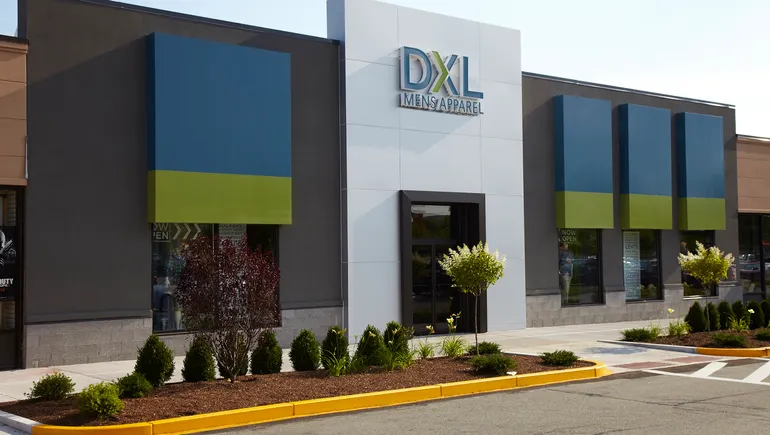
Big-and-tall retailer Destination XL told analysts that GLP-1 weight-loss drugs are shaking up its business, reporting fourth-quarter total sales down 6% year over year and a net loss of $29.6 million [1]. The company's CEO said roughly 25% of its customers are thought to be using GLP-1 medications, and that those customers moving around in size is creating "volatility" in the business [1].
The retailer's results landed alongside a Circana report finding that GLP-1 use is already reshaping what Americans buy and wear [1]. According to Circana, about 23% of all U.S. households were using GLP-1 medications as of September — up four percentage points from the prior year [1]. Among those households, 80% anticipate needing new clothing because their size is changing, and 55% have already bought new clothing or footwear mainly for that reason [1].
The size data is already moving
Circana pointed to intimates as an early signal. Sales of larger bras — 42-plus band sizes and D cups — slowed, while mid- to small-size bra sales increased [1]. Researchers described this as an early indication of a potentially major shift in the market [1].
The buying changes go beyond smaller sizes. During their first year of GLP-1 use, households bought more active shorts, jeans, casual pants, bras and dresses, which Circana attributed to changing routines and higher confidence as well as new sizing needs [1].
"With GLP-1 adoption accelerating, size is changing, but so is identity," said Kristen Classi-Zummo, apparel industry adviser at Circana, in a statement [1]. "GLP-1 usage extends beyond the physical implications; it's a catalyst for redefining personal style. As consumers rebuild their wardrobes, they're reassessing what fits, what flatters, and what feels aligned with their lifestyle... This isn't a trend — it's a structural change for the apparel industry" [1].
Destination XL is not alone. Women's plus-size retailer Torrid reported a 14% drop in fourth-quarter sales [1]. Torrid, in the middle of a turnaround, closed 151 stores in 2025 and has cut prices on about a third of its current stock [1]. Circana still expects the apparel industry overall to post modest gains in 2026, with GLP-1-related purchases potentially adding incremental demand and categories tied to body transformation, wellness and comfort possibly outperforming the rest of the market [1]. Footwear could also benefit as shoppers refresh closets and lifestyles [1].
Why it matters for patients
The clothing cost of weight loss is rarely part of the conversation when someone starts semaglutide (Ozempic, Wegovy, Rybelsus) or tirzepatide (Mounjaro, Zepbound), but the Circana numbers suggest it is common: more than half of GLP-1 households have already spent money on new clothes or shoes because of size changes, and 8 in 10 expect to [1]. For people budgeting around drug copays, that is another line item, and it can recur if weight keeps shifting over months.
The retail "volatility" Destination XL described also has a practical flip side for shoppers. If stores that specialize in larger sizes shrink their footprint — as Torrid did by closing 151 locations in 2025 [1] — the selection available to people who are not losing weight, or who stop treatment and regain, may thin out in some markets. That is a plausible consequence of the store closures reported here, though the sources do not measure it directly.
It is also worth reading the headline usage figure carefully. Circana's 23% describes households where someone uses a GLP-1 medication, not individual adults [1]. The report does not break the figure down by drug, by whether the prescription is for diabetes or weight loss, or by whether the product is brand-name or compounded — none of that is in the source.
What happens next
Circana expects modest overall apparel gains in 2026, with GLP-1-linked purchases as a potential source of extra demand [1]. Whether plus-size chains stabilize will show up in their next quarterly results; Destination XL and Torrid have not announced further plans in these reports beyond Torrid's ongoing turnaround, store closures and price cuts [1].
Images from the sources
Sources
Semaglutides.org is for information only and is not medical advice. Always talk to a licensed healthcare provider about your own care. Some links to telehealth services are affiliate links, labeled where they appear.