Eli Lilly launches Employer Connect, selling Zepbound to employers at $449 a month
Lilly will sell the Zepbound KwikPen to network pharmacies at $449 a month for all doses through a new employer platform, but what workers pay depends on the employer's cost-sharing choice.
Eli Lilly launched a direct-to-employer platform called Employer Connect on March 5, 2026, offering its Zepbound (tirzepatide) KwikPen to network pharmacies at a discounted $449 per month across all doses [2]. The program is aimed at companies that have not added obesity drug coverage to their health plans, and it routes that coverage through outside administrators rather than traditional pharmacy benefit designs [3].
What Lilly is offering
The $449 figure is a net price with no rebates attached, Kevin Hern, senior vice president of Lilly Employer, told CNBC [1]. That matters because rebates normally flow between drugmakers and pharmacy benefit managers, making it hard for an employer to know what a drug actually costs. Lilly says the flat price gives employers "greater cost predictability and transparency" [2].
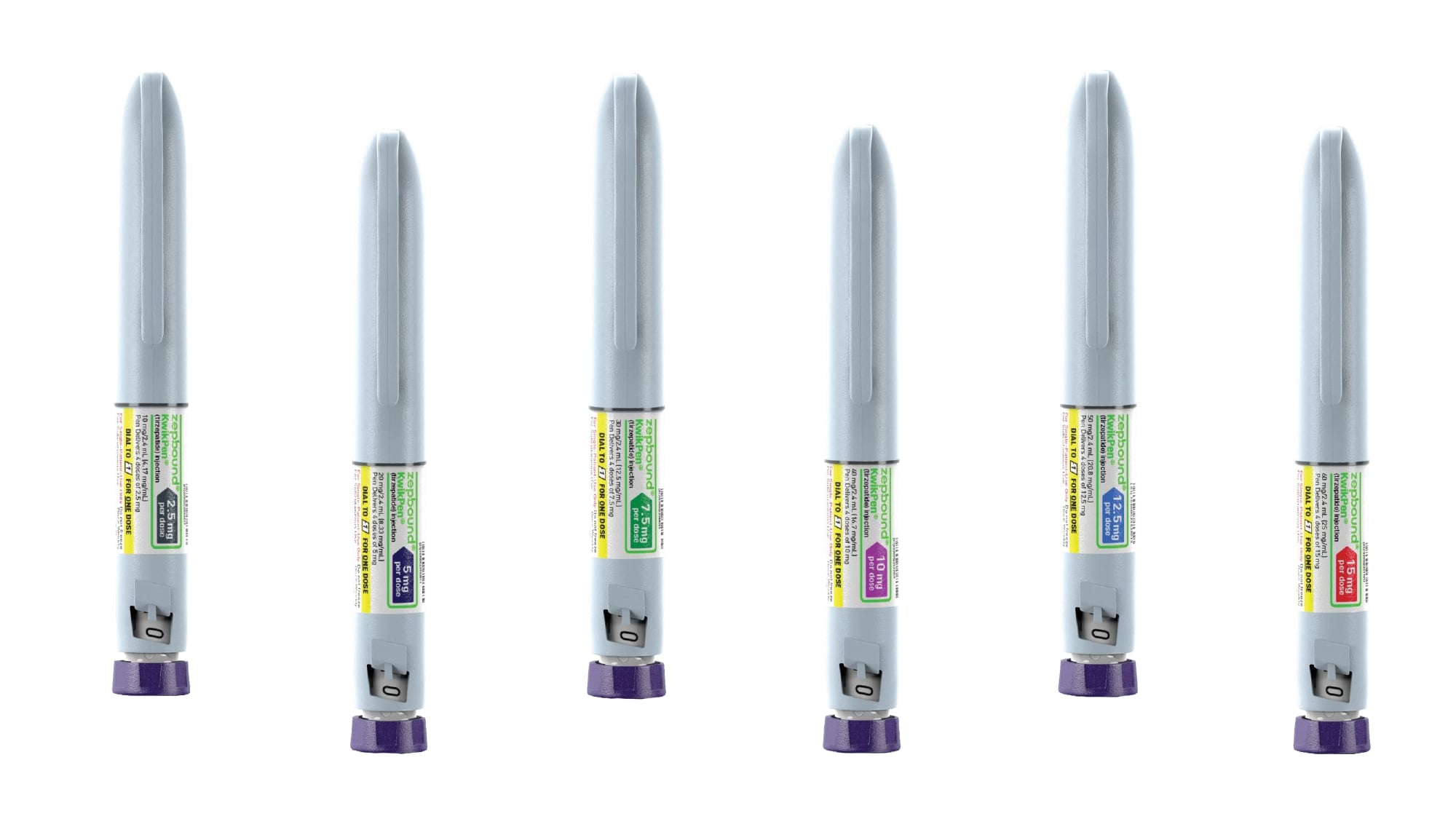
The drug involved is the single-patient-use Zepbound KwikPen, which the FDA recently approved and which delivers four weekly injections from one device [2]. List prices for Lilly's weight loss and diabetes treatments, Zepbound and Mounjaro, top $1,000 per month [1].
Employers do not buy directly from Lilly. They pick from more than 15 independent program administrators plugged into the platform, which currently includes 9amHealth, Andel, Calibrate Health, Crux Health, eMed, FlyteHealth, Form Health, Goodpath, GoodRx, Ilant Health, Mark Cuban Cost Plus Drug Company, Onsera Health, ReviveHealth, SALTA Direct Primary Care, Sesame, Teladoc Health, Transcarent and Waltz Health [2]. Some handle only benefits administration — enrollment, eligibility, claims — while others offer telehealth, nutrition and lifestyle support [1]. Dispensing runs through a dedicated pharmacy network that includes HealthDyne and CenterWell [2].
"Our goal was to kind of create a platform where these firms could compete ... with the value of their services for the employers," Hern said [1]. All administrators offer the same medicine at the same price, so employers choose on service [1].
What employees would pay is not fixed
Lilly is explicit that $449 is the price to network pharmacies, not to workers. "Final cost to the employer may vary based on their choice of pharmacy and program administrator; and out-of-pocket patient costs for employees will vary based on the costshare model an employer chooses and the dispensing and service fees agreed to with independent program administrators," the company said [2]. Fierce Healthcare reported the same caveat: what a patient ultimately pays depends on the employer's cost-sharing model and which partner it uses [3].
In short, an employee pays whatever the employer does not cover, plus whatever fees are layered on. The sources do not give a range of expected employee out-of-pocket costs, and that number is not yet known.
The coverage gap Lilly is targeting
Lilly says roughly half of commercially insured employees lack covered access to obesity medicines [2]. A Peterson-KFF Health System Tracker survey found that as of October, nearly one-fifth of firms with more than 200 workers said they cover GLP-1 drugs for weight loss, including 43% of firms with 5,000 or more workers [1].
The platform is designed to sit outside standard formulary controls. "By enabling coverage outside traditional benefit designs, we lower barriers to treatment and give employers greater control over how they support employee access to obesity care," Hern said [2].
Why it matters for patients
For people whose employer plan excludes weight-loss drugs today, this creates a possible route to coverage that does not require the plan's pharmacy benefit to change. But the decision sits entirely with the employer: whether to join, which administrator to use, how much to subsidize, and which employees are eligible.
There are also practical differences depending on the administrator an employer picks. Some bundle telehealth prescribing and coaching; others are pharmacy-focused [3]. That affects who writes the prescription and what support comes with it. The sources do not say whether employees could keep an existing prescriber.
This is separate from Lilly's cash-pay channel, LillyDirect, which Hern described as addressing the same problem at the individual level [3].
What happens next
Hern said some employers could add coverage in the coming months, while others may wait until 2027 [1]. Lilly says it will keep adding program administrators to the platform [2]. Separately, under deals Lilly and Novo Nordisk struck with President Donald Trump, Medicare will cover obesity medicines for the first time later this year [1].
Images from the sources
Sources
- https://www.cnbc.com/2026/03/05/eli-lilly-launches-program-to-boost-employer-coverage-of-obesity-drugs.html
- https://investor.lilly.com/news-releases/news-release-details/lilly-employer-connect-platform-launches-over-fifteen
- https://www.fiercehealthcare.com/payers/eli-lilly-launches-its-direct-employer-platform-obesity-drugs
Semaglutides.org is for information only and is not medical advice. Always talk to a licensed healthcare provider about your own care. Some links to telehealth services are affiliate links, labeled where they appear.