NPR covers what to eat on GLP-1 drugs, taking the nutrition gap mainstream
NPR's coverage of GLP-1 nutrition shows food companies rolling out 'GLP-1 Friendly' labels with no regulated standard, while dietitians say protein, fiber and water matter more than any package claim.

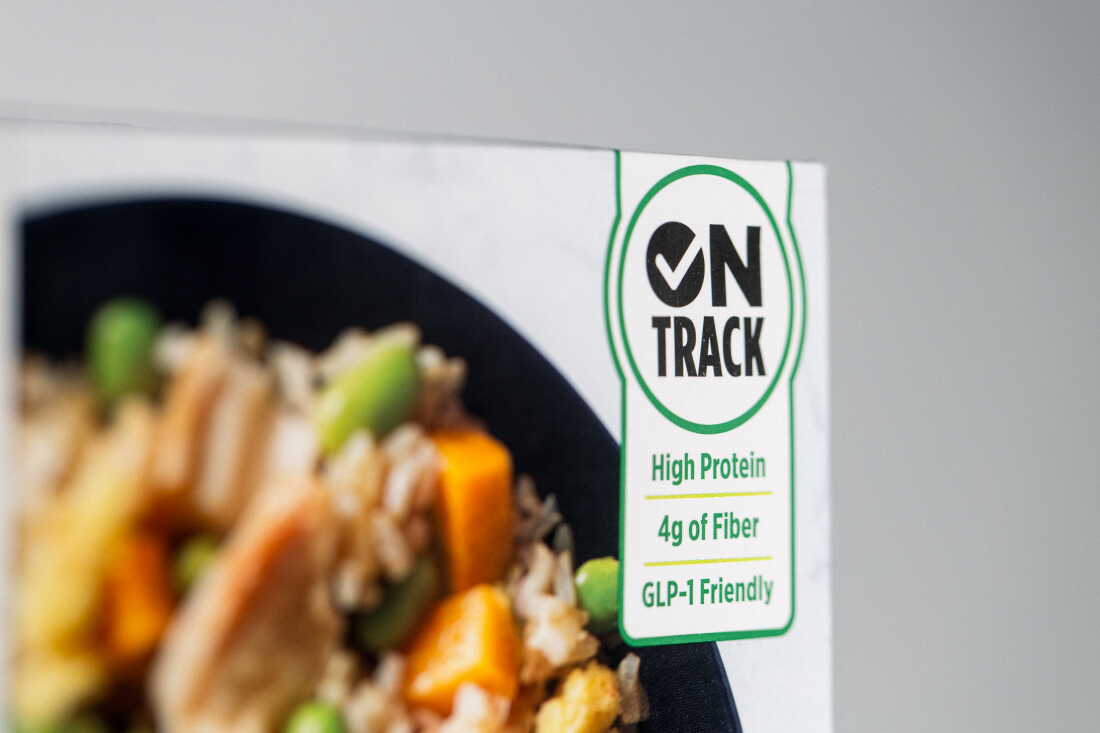
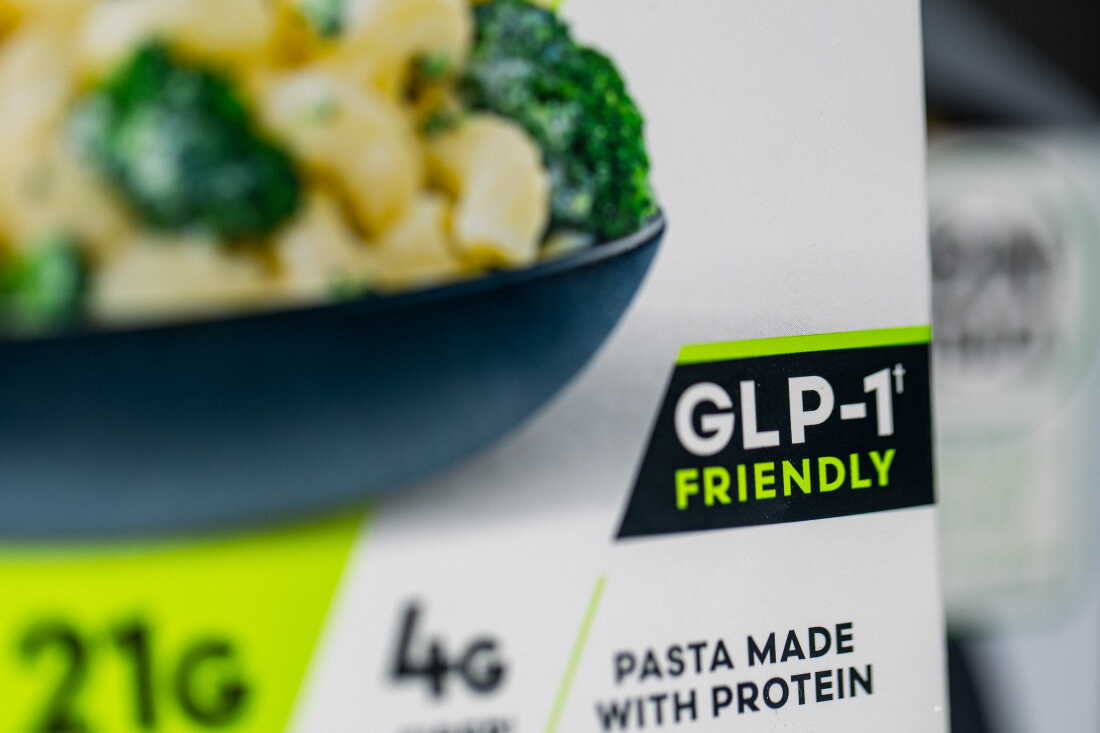
National Public Radio reported that food companies are now marketing products as "GLP-1 Friendly" to the growing number of Americans taking drugs like Zepbound and Wegovy, even though no medical or regulatory body defines what that label actually means [1].
Conagra, which makes Healthy Choice, said it added "GLP-1 Friendly" check marks to 26 existing frozen meals and plans to add six more [1]. Nestle launched a line called Vital Pursuit in May 2024 aimed at the same shoppers, offering smaller portions, and later expanded it with higher-protein options after consumer demand [1]. Suzy Badaracco, a nutritionist and CEO of the research firm Culinary Tides, told NPR the labels are marketing only. "There is absolutely no regulated or medically defined standard," she said [1].
Registered dietitian and certified diabetes educator Allison Wiseman, who runs a private practice in Washington, D.C., examined one such product, a Healthy Choice Cajun shrimp and chicken dinner labeled high in protein with 3 grams of fiber [1]. She noted the ingredient list placed cooked shrimp, the main protein source, below preservatives and stabilizers like carrageenan, dextrose and potassium chloride [1]. At 220 calories and 3 grams of fiber, the meal falls far short of the roughly 25 grams of daily fiber she recommends, and she suggested pairing such meals with a side salad, extra vegetables or beans [1].
Wiseman said the drugs slow digestion, which can cause constipation and, in extreme cases, intestinal blockages, making fiber from fruits and vegetables important [1]. She also emphasized protein to offset muscle loss during rapid weight loss, and said patients need more water because the medications reduce the sense of thirst [1]. Many patients arrive at her practice never having changed their diet after starting a GLP-1 drug, because they lose weight regardless, she said [1].
Why it matters for patients
The NPR report frames a gap between how fast GLP-1 prescribing has grown and how little formal nutrition support most patients receive. Wiseman said patients rarely get dietary guidance from their doctors, and that the medications alone do not create a lasting fix without changes in eating patterns [1]. That gap has consequences: data cited in the report shows about half of people quit GLP-1 drugs within a year, and weight can return rapidly after stopping [1].
Because the drugs suppress appetite, some people skip meals and then eat richer foods later, which can trigger nausea, vomiting or constipation, according to Wiseman [1]. Front-of-package claims like "GLP-1 Friendly" are not standardized, so a product carrying that label is not necessarily high in fiber or protein by any consistent measure [1]. Badaracco said few people get any counseling on changing their relationship with food while on these medications [1].
For readers trying to interpret grocery store labels, the practical takeaway from the sources is that ingredient lists, not front-of-box branding, show what a product actually contains. Wiseman pointed to a "Keto" labeled hot dog bun with little protein as an example of a label that did not match nutritional substance, compared with a whole wheat loaf with seeds and nuts that she said met her standards [1].
What happens next
The sources do not describe any regulatory action defining "GLP-1 Friendly" claims, and it is not yet known whether the FDA or another body plans to set standards for such labeling [1]. Conagra said it plans to add six more labeled products to its existing 26 [1], and Nestle said it will continue expanding its Vital Pursuit line based on consumer response [1], but no specific dates for further expansion were given in the report.
Images from the sources

Sources
Semaglutides.org is for information only and is not medical advice. Always talk to a licensed healthcare provider about your own care. Some links to telehealth services are affiliate links, labeled where they appear.