VA analysis of 600,000 people reports GLP-1 drugs reduce overdose and substance-related death
A VA study of over 600,000 veterans with type 2 diabetes found GLP-1 drug users had 50 percent fewer substance-related deaths and 39 percent fewer overdoses than non-users [1].
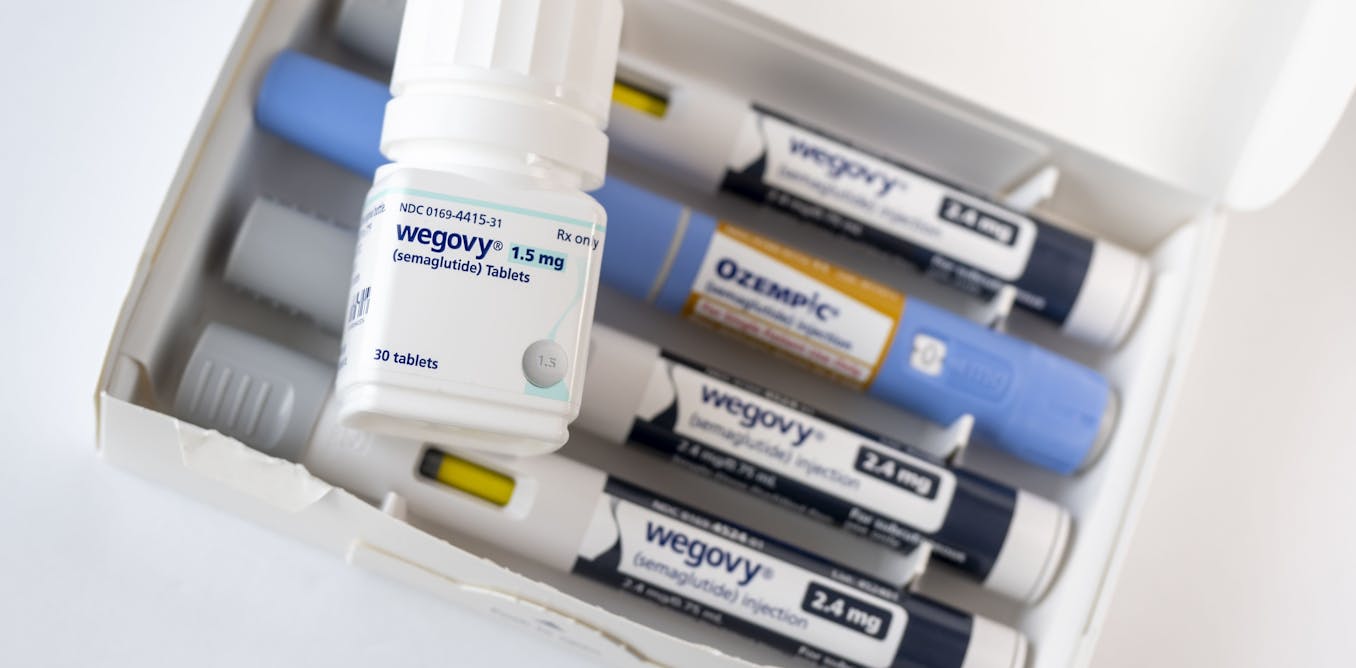
Researchers analyzing electronic health records from more than 600,000 U.S. veterans with type 2 diabetes found that those who started a GLP-1 drug had far lower rates of overdose, addiction-related death, and new substance use disorders compared with those who did not take one [1]. The study, published in BMJ, compared people who began GLP-1 treatment with those who did not, adjusting for health history and demographics, and followed both groups for three years [1].
Among people who already had a substance use disorder, GLP-1 users had 50 percent fewer substance-related deaths, 39 percent fewer overdoses, 31 percent fewer addiction-related emergency department visits, 26 percent fewer drug-related hospitalizations, and 25 percent fewer suicide attempts than non-users [1]. Over three years, the researchers estimated this added up to roughly 12 fewer serious events per 1,000 people taking a GLP-1 drug, including two fewer deaths [1].
The drugs also appeared to lower the odds that someone with no prior addiction history would develop one. People taking GLP-1 medications had an 18 percent lower risk of developing alcohol use disorder, a 25 percent lower risk of opioid use disorder, about a 20 percent lower risk of cocaine or nicotine dependence, a 14 percent lower risk of cannabis use disorder, and a 13 percent lower risk of other addictions, translating to roughly six to seven fewer new diagnoses per 1,000 users over three years [1].
The analysis pooled several GLP-1 drugs together, including tirzepatide (sold as Mounjaro and Zepbound) alongside semaglutide (Ozempic, Wegovy) and other GLP-1 medications, rather than reporting results for a single drug [1]. Researchers believe the effect stems from GLP-1 receptors in brain regions that govern reward, motivation, and stress — the same circuitry involved in addiction — where the drugs appear to dampen dopamine signaling and make addictive substances less rewarding [1]. Animal studies cited in the analysis found that rodents given GLP-1 drugs drank less alcohol, self-administered less cocaine, and showed less interest in nicotine, while vervet monkeys drank less alcohol without signs of nausea [1].
The findings echo other research. A Swedish study of 227,000 people with alcohol use disorder found GLP-1 users had a 36 percent lower risk of alcohol-related hospitalization, more than double the 14 percent reduction seen with naltrexone, a medication already approved to treat alcohol use disorder [1]. Small randomized trials have also found that semaglutide reduced craving and alcohol consumption in people with alcohol use disorder, and dulaglutide reduced drinking in another trial, with more than a dozen additional trials underway or enrolling [1].
Why it matters for patients
GLP-1 drugs are not approved to treat addiction, and the study's authors say there is not yet enough evidence to prescribe them for that purpose alone [1]. But for the millions of people already taking these medications for diabetes or obesity, and for those weighing whether to start, the findings suggest a possible added effect worth knowing about if they also struggle with substance use [1]. Because the results come from observational health records rather than a randomized trial designed specifically to test addiction outcomes, they show an association, not proof that the drugs directly caused the reduction in overdoses and deaths [1].
Several questions remain open. It is not known whether cravings return once someone stops taking a GLP-1 drug, similar to how appetite and weight typically return after stopping treatment for obesity [1]. It is also unclear whether the benefits hold up over many years of continuous use, or whether affecting the brain's reward circuitry could, in some people, dampen everyday motivation in ways not yet studied [1].
What happens next
More than a dozen randomized controlled trials testing GLP-1 drugs specifically for addiction are already underway or being planned, which could provide firmer evidence than the observational VA analysis [1]. No date for results from those trials was given in the available reporting.
Sources
Semaglutides.org is for information only and is not medical advice. Always talk to a licensed healthcare provider about your own care. Some links to telehealth services are affiliate links, labeled where they appear.