Lilly and the WHO Foundation announce an obesity care collaboration
Eli Lilly is giving the WHO Foundation $1.68 million through 2029 to help low-income countries build obesity care systems, not to fund direct access to drugs like Zepbound.
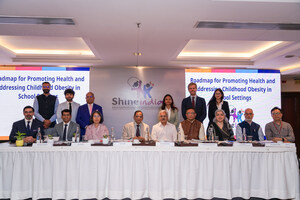
Eli Lilly and Company and the WHO Foundation announced on March 6, 2026, a collaboration meant to strengthen health systems for obesity prevention and care in lower-income countries [1]. Lilly is committing $1.68 million to the WHO Foundation through 2029 to support this work [1].
The project focuses on building infrastructure rather than paying for medicines directly. According to the announcement, the effort aims to help countries "assess care gaps, strengthen primary health care, and build pathways for prevention and care in resource-limited settings," in the words of Patrik Jonsson, Executive Vice President and President of Lilly International [1]. The WHO Foundation's chief executive, Anil Soni, said the goal is to help health systems "diagnose the gaps and build the necessary architecture" by supporting evidence-based policy, training health workers, and enabling equitable, stigma-free care across all age groups [1].
The scale of the problem is large. Worldwide, more than 2.5 billion adults were overweight in 2022, and 890 million of them were living with obesity [1]. That year, 43% of adults age 18 and over were overweight and 16% were living with obesity [1]. Among children and adolescents ages 5 to 19, over 390 million were overweight in 2022, including 160 million living with obesity [1]. Adult obesity rates worldwide have more than doubled since 1990, and adolescent obesity has quadrupled [1]. In 2024, 35 million children under age 5 were overweight [1]. The World Obesity Federation projects the economic impact of overweight and obesity will surpass $4 trillion by 2035, according to source material cited in the release [1].
The WHO Foundation is an independent Geneva-based organization created in 2020 to support the World Health Organization's mission by raising philanthropic funding and building partnerships [1]. The announcement did not specify how the $1.68 million will be allocated across countries or programs, nor did it name specific countries that will take part [1].
Why it matters for patients
This collaboration does not change access, price, or coverage for GLP-1 medicines like Zepbound or Mounjaro in the United States. It is aimed at health-system planning in lower-income countries, where the release notes that "almost no one can afford incretins," according to the development summary provided with this story. For US patients already taking or considering these drugs, nothing about US insurance coverage, list prices, or prescribing rules changes as a result of this announcement.
The partnership does signal how Lilly is positioning itself in the global obesity conversation, alongside its US commercial business for tirzepatide products. It also reflects a broader industry pattern: the WHO Foundation separately expanded a related collaboration with Novo Nordisk on health systems for cardio-renal and metabolic disease, according to related releases from the same source [1]. Neither of these system-building efforts is a substitute for direct drug access programs, and the sources do not describe any plan to subsidize or distribute semaglutide or tirzepatide products in the countries targeted by this initiative.
What happens next
The funding commitment runs through 2029, but the sources do not lay out interim milestones, target countries, or measurable outcomes for the collaboration [1]. It is not yet known which specific health systems will be assessed first or how progress will be reported publicly.
Sources
Semaglutides.org is for information only and is not medical advice. Always talk to a licensed healthcare provider about your own care. Some links to telehealth services are affiliate links, labeled where they appear.